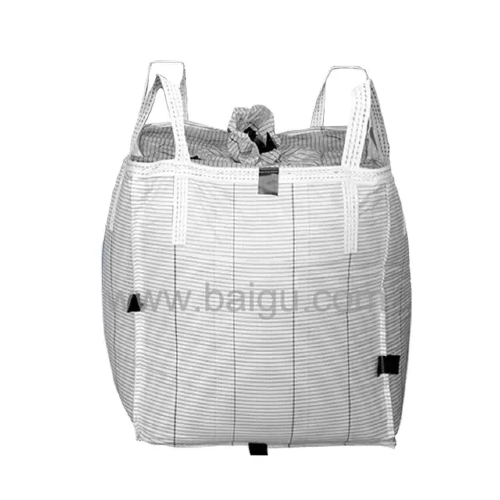
FIBC (Flexible Intermediate Bulk Container) bags are widely utilized in industries for transporting large quantities of bulk materials. These containers, often referred to as Jumbo Bags, are designed for efficiency, durability, and practicality. However, a common question that arises when using FIBC bags is whether they can be reused. This article delves into the differences between Single Trip FIBC Bags and Multi Trip FIBC Bags, the factors affecting reusability, and a comparison to help you choose the best type for your needs.
What Are FIBC Bags?
FIBC bags are large, flexible containers designed for transporting bulk materials. Typically made from woven polypropylene, a highly durable and resistant material, these bags are lightweight yet able to carry heavy loads. FIBC bags are a preferred choice for industries that require bulk material handling because of their high load-bearing capacity, cost-effectiveness, and versatility.
These bags come in various shapes and sizes depending on their specific use, and they are widely used in industries ranging from agriculture to chemical manufacturing, and construction. One of the primary advantages of FIBC bags is their ability to hold large quantities of materials while being relatively easy to handle, store, and transport.
Types of FIBC Bags
There are different types of FIBC bags, each designed for specific applications based on the material being transported and the environment in which they will be used:
Standard FIBC Bags: These are the most commonly used type and are designed to handle dry bulk materials such as powders, granules, and grains.
Type A FIBC Bags: These bags are suitable for non-flammable materials but do not offer protection against electrostatic discharge.
Type B FIBC Bags: Designed for materials with low-risk of static buildup, these bags offer some protection against electrostatic discharge.
Type C FIBC Bags: These bags are designed for use with flammable materials. They include a conductive feature and require grounding to discharge static electricity safely.
Type D FIBC Bags: Unlike Type C bags, these do not require grounding but are designed with inherent static-dissipative properties, which make them ideal for handling hazardous materials.
Each type is essential for specific material handling needs, and choosing the right type of bag can significantly improve both safety and efficiency in material transport.
Single Trip FIBC Bags
Single trip FIBC bags, as their name suggests, are designed for one-time use only. These bags are generally used in scenarios where the product being transported does not require return or reuse, and disposal after delivery is standard. The design of single-trip FIBC bags focuses on strength, economy, and safety during a single load and transport cycle.
Characteristics of Single Trip FIBC Bags
Single-trip FIBC bags are made from strong woven polypropylene material, designed to withstand significant weight and pressure for the duration of a single transport cycle. These bags are commonly used in industries where products are shipped in large quantities, but there is no need for the packaging to be returned for reuse.
Single-trip FIBC bags are typically lighter, less expensive, and more readily available compared to multi-trip bags. These characteristics make them ideal for certain types of shipments where the material will not be returned, and where the product is disposed of after transport.
Advantages of Single Trip FIBC Bags
Cost Efficiency: Since single-trip bags are not designed for reuse, they are generally more affordable compared to multi-trip FIBC bags, making them a practical choice for low-budget, one-off shipments.
Hygiene: As single-trip bags are used only once, there is less risk of contamination between shipments, making them suitable for industries like food, pharmaceuticals, and chemicals.
Convenience: Single-trip bags are convenient because they eliminate the need for return logistics, cleaning, and maintenance, making them suitable for industries with high turnover and fast-paced operations.
Applications of Single Trip FIBC Bags
Transporting hazardous materials such as chemicals or volatile substances where contamination or residue from previous loads could pose safety risks.
Single-use shipments where the product does not need to be stored or used again, such as in construction or industrial waste management.
Quick shipments in industries where speed and efficiency are essential, and there is no concern for bag reuse.
Multi Trip FIBC Bags
Multi-trip FIBC bags are designed for repeated use, making them a more sustainable and cost-efficient option for long-term use in industries that require frequent bulk material transportation. These bags are constructed to be more durable, with features that make them suitable for use in harsh environments where they will be reused multiple times.
Characteristics of Multi Trip FIBC Bags
Multi-trip FIBC bags are constructed with higher-quality woven polypropylene and feature additional reinforcements to ensure they can handle the rigors of multiple loading, unloading, and transport cycles. These bags are typically more robust, with better stitching and features designed to ensure that they can withstand stress over several cycles of use.
Advantages of Multi Trip FIBC Bags
Long-Term Cost Efficiency: Though the initial cost of multi-trip FIBC bags is higher than single-trip bags, their reusability ensures significant cost savings in the long term, especially for industries that require repeated shipments.
Eco-Friendly: Multi-trip bags reduce the environmental impact of packaging waste. By reusing bags, businesses can lower their overall carbon footprint and reduce the waste generated from single-use bags.
Higher Strength: Designed for multiple uses, these bags feature enhanced durability and reinforced stitching, making them ideal for heavier materials and repeated handling.
Applications of Multi Trip FIBC Bags
Bulk food and agricultural products that require repeated shipments over long periods.
Manufacturing and construction industries where the same materials are frequently shipped, and the bags need to be durable enough to withstand multiple uses.
Recyclable goods where sustainable packaging practices are emphasized.
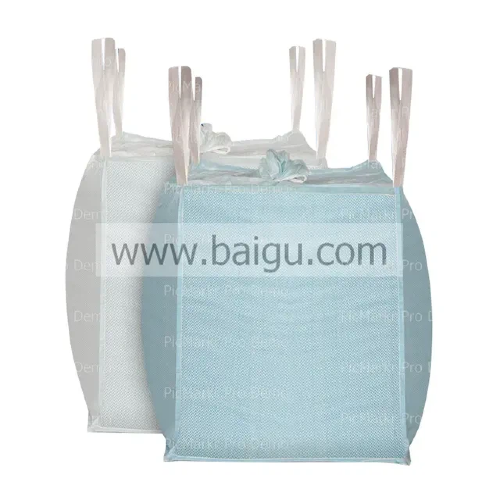
Can FIBC Bags Be Reused?
The reusability of FIBC bags largely depends on the type of bag and the conditions it has been used under. While multi-trip FIBC bags are explicitly designed for reuse, single-trip FIBC bags are generally not suitable for reuse due to the potential degradation of material quality after a single use.
Factors That Determine Reusability
Damage or Wear: Bags that show signs of physical wear, such as holes, tears, or damaged lifting loops, should not be reused. These damages could compromise the safety and integrity of the bag.
Cleaning and Maintenance: For bags to be reused, especially for food-grade or chemical handling, they must be thoroughly cleaned and disinfected to remove any contamination from the previous use.
Material Type: Bags that have been used to transport hazardous or toxic materials may not be suitable for reuse due to the risk of contamination.
How to Assess If FIBC Bags Can Be Reused
Inspect the bag for damage: Any visible damage such as rips, wear on the fabric, or torn seams should disqualify the bag from reuse.
Ensure proper cleaning: If a bag has been used for non-toxic or non-hazardous materials, ensure that it is properly cleaned, especially for applications like food storage.
Check the load-bearing capacity: Over time, the fabric and stitching of the bag may lose their ability to carry heavy loads. Ensure the bag still meets the required safety standards for the materials it is used to transport.
Single Trip vs Multi Trip FIBC Bags: Which One Should You Choose?
The choice between single-trip and multi-trip FIBC bags depends on several key factors, including your specific needs, budget, and environmental goals. Below is a comparison table to help you choose the best option for your requirements:
Factor | Single Trip FIBC Bags | Multi Trip FIBC Bags |
Cost | Lower upfront cost, but no reuse value | Higher upfront cost, but cost-effective in the long run |
Durability | Designed for single use, not meant for reuse | More durable, designed for repeated use |
Environmental Impact | Higher waste production | More eco-friendly due to reuse |
Safety | Ideal for one-time hazardous material transport | Suitable for industries requiring multiple transport cycles |
Applications | One-time use in shipping chemicals, food, etc. | Long-term use in industries like agriculture, construction, etc. |
Cost and Efficiency Comparison
The choice between single-trip and multi-trip FIBC bags should not only be based on upfront costs but also on the long-term savings they provide. For industries with frequent bulk shipments, investing in multi-trip FIBC bags is a more sustainable choice. On the other hand, for one-off shipments, single-trip bags can be a practical and cost-effective option.
Conclusion
In conclusion, both single-trip and multi-trip FIBC bags offer distinct advantages, depending on your specific needs. Single-trip bags are perfect for quick, one-time shipments where cost-effectiveness and convenience are top priorities. However, multi-trip bags provide long-term value by offering greater durability, long-term cost savings, and an environmentally friendly solution. Understanding these differences and the factors that impact the reuse of FIBC bags will allow you to make a well-informed decision.
At Qingdao Baigu Plastic Products Co., Ltd., we specialize in providing high-quality FIBC bags tailored to your industry requirements. Whether you need single-trip or multi-trip bags, we offer durable, reliable, and cost-effective solutions designed to meet your unique packaging and transportation needs. For more information or to discuss your specific requirements, feel free to contact us. Our team is ready to assist you in finding the ideal FIBC bags for your business.
FAQ
Q1: Can you reuse FIBC bags multiple times?
Yes, multi-trip FIBC bags are designed for reuse. However, single-trip bags are not intended for reuse due to potential degradation after a single use.
Q2: How do I know if my FIBC bag can be reused?
Inspect the bag for physical damage, ensure it is thoroughly cleaned, and verify that it still meets load-bearing standards. If any damage or contamination is present, the bag should not be reused.
Q3: What are the advantages of using multi-trip FIBC bags over single-trip bags?
Multi-trip bags offer long-term cost savings, durability, and environmental benefits, making them more cost-effective for industries with frequent shipments.
Q4: Are FIBC bags recyclable?
Yes, FIBC bags made from polypropylene can be recycled. It’s important to check with local recycling facilities for proper disposal methods.


