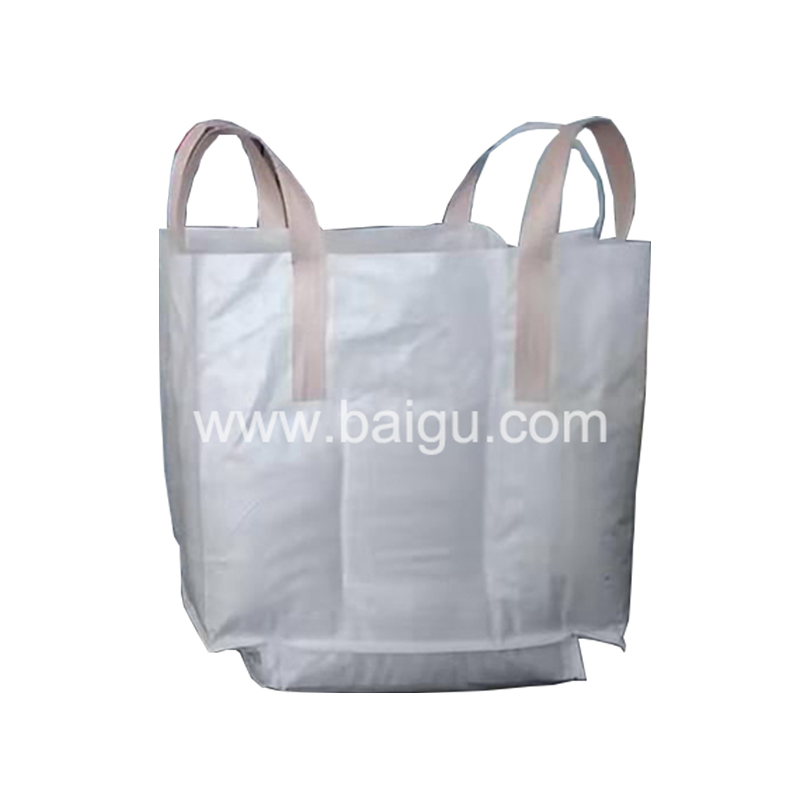
The use of Type-C Bag in industrial applications has grown significantly due to their unique properties and advantages. These bags are designed to safely transport and store bulk materials while minimizing the risk of static discharge. Understanding the proper usage of these bags is crucial for maintaining safety and efficiency in various industries. This article provides a comprehensive guide on using Type-C Bags safely, exploring their features, benefits, and best practices for handling.
Understanding Type-C Bags
Type-C Bags, also known as conductive FIBC (Flexible Intermediate Bulk Containers), are specifically designed to prevent static electricity buildup. They are made from woven polypropylene fabrics interwoven with conductive threads. These threads are connected to a grounding point, ensuring that any static electricity generated during filling or discharging is safely dissipated. The importance of using a Conductive Type C Bag cannot be overstated, especially in environments where flammable materials are present.
Features of Type-C Bags
The primary feature of Type-C Bags is their ability to safely dissipate static electricity. This is achieved through the use of conductive threads that are woven into the fabric of the bag. These threads are connected to a grounding point, which must be used during filling and discharging. Additionally, Type-C Bags are designed to be durable and reusable, making them a cost-effective solution for many industries. The Reusable Type-C Bag offers significant environmental benefits by reducing waste and promoting sustainability.
Applications of Type-C Bags
Type-C Bags are widely used in industries where the risk of static discharge could lead to catastrophic events. These include the chemical, pharmaceutical, and food industries, where the safe handling of powders and granules is critical. The Heavy Duty Type-C Bag is particularly useful in environments where materials are transported in large quantities and require robust packaging solutions.
Safety Precautions When Using Type-C Bags
To ensure the safe use of Type-C Bags, it is essential to follow specific safety precautions. The most critical step is to ensure that the bag is properly grounded during filling and discharging. This involves connecting the bag's conductive threads to a grounding point to prevent static electricity buildup. Additionally, regular inspections of the bag's integrity and the grounding system are necessary to ensure continued safety.
Grounding Procedures
Proper grounding is the cornerstone of using Type-C Bags safely. The grounding system must be checked regularly to ensure it is functioning correctly. This involves testing the continuity of the conductive threads and ensuring that the grounding point is secure. It is also important to educate all personnel involved in handling these bags about the importance of grounding and the correct procedures to follow.
Inspection and Maintenance
Regular inspection and maintenance of Type-C Bags are crucial for ensuring their continued safety and effectiveness. This includes checking for any damage to the fabric or conductive threads and ensuring that the grounding system is intact. Any damaged bags should be removed from service immediately to prevent potential safety hazards.
Benefits of Using Type-C Bags
The use of Type-C Bags offers numerous benefits, particularly in industries where safety is a primary concern. These bags provide a reliable solution for preventing static discharge, reducing the risk of fires and explosions. Additionally, their durability and reusability make them a cost-effective choice for businesses looking to reduce waste and promote sustainability.
Environmental Impact
Type-C Bags contribute to environmental sustainability by reducing the need for single-use packaging. Their durability and reusability mean that they can be used multiple times, reducing waste and the demand for new materials. The UV Resistant Type-C Bag is designed to withstand harsh environmental conditions, further extending its lifespan and reducing environmental impact.
Cost-Effectiveness
The long-term cost savings associated with using Type-C Bags are significant. Their durability and ability to be reused multiple times reduce the need for frequent replacements, leading to lower overall costs. Additionally, the safety features of these bags can help prevent costly accidents and damage to materials, further enhancing their cost-effectiveness.
Conclusion
In conclusion, Type-C Bags are an essential tool for industries that require safe and efficient handling of bulk materials. Their ability to prevent static discharge, combined with their durability and reusability, makes them an invaluable asset. By following proper safety procedures and ensuring regular maintenance, businesses can maximize the benefits of using these bags while minimizing potential risks. For more information on the various types of Type-C Bags and their applications, visit the Type-C Bag manufacturer page.