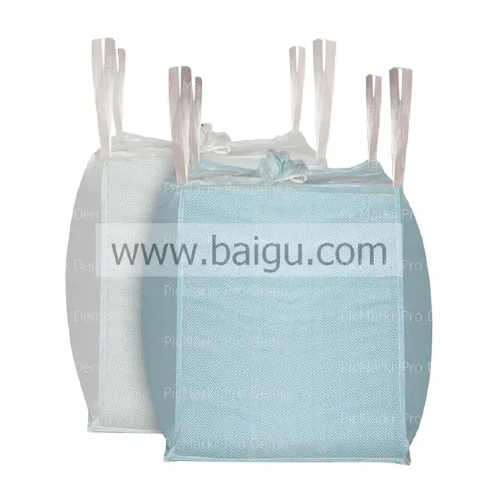
Static electricity creates hidden ignition risks during bulk material handling. While Type A and B bags offer limited protection, Type D FIBC and Type C options are engineered for hazardous zones. This guide helps you choose between procedural grounding and the passive safety of conductive bags type D.
Key Takeaways
●Grounding Requirements: The primary difference is that Type C bags require a physical connection to the ground, while Type D FIBC solutions dissipate static into the atmosphere without grounding.
●Human Error Risk: Type C safety depends entirely on operational discipline; if grounding is forgotten or damaged, the risk of ignition is high. Type D FIBC eliminates this risk by functioning automatically.
●Material Technology: Type C uses a grid of conductive yarns to channel electricity , whereas conductive bags type D utilize specialized static-dissipative fabric to neutralize charges via corona discharge.
●Operational Complexity: Type C involves higher complexity due to mandatory grounding checks. Type D FIBC offers simpler day-to-day use, making it ideal for mobile stations or high-turnover environments.
●Cost vs. Safety: While Type C often has a lower upfront purchase price , Type D FIBC provides a higher safety margin and reduced procedural costs, justifying its higher initial investment.
●Industry Suitability: Type C is effective for controlled facilities with strict protocols. Type D FIBC is the safer choice for pharmaceuticals, chemicals, and shipping to third parties with unknown grounding capabilities.
Deep Dive: Type D FIBC vs. Type C – The Core Differences
The fundamental distinction between these two containers lies in their relationship with the earth. A Type C FIBC, often called a "groundable" bag, functions as a conductor that requires a physical connection to a verified ground point to safely evacuate accumulated charges. In contrast, Type D FIBC technology utilizes static-dissipative fabrics to neutralize charges without any external hardware.
From a material science perspective, Type C bags feature a dense grid of conductive threads woven into the primary polypropylene fabric. These threads must be interconnected across every panel of the bag to ensure a continuous path for electricity. Conductive bags type D use specialized quasi-conductive yarns that do not require interconnection. Instead of channeling energy to a single ground point, they facilitate "corona discharge," where low-energy ions are safely released into the surrounding atmosphere.
Operational readiness varies significantly between the two. Type C systems necessitate active monitoring equipment—such as grounding clamps with interlock lights—to confirm a secure connection before filling begins. Type D FIBC solutions offer a "plug-and-play" experience, removing the need for dedicated grounding zones and complex wiring.
Feature
Type C FIBC
Type D FIBC
Static Protection Method
Grounding through conductive yarns
Dissipation via specialized fabric
Grounding Required
Yes, mandatory for safety
No, operates independently
Primary Mechanism
Conduction to Earth
Corona Discharge to Air
Operational Complexity
High (Requires setup/checks)
Low (Simplified workflow)
Note: While Type C bags are highly effective, their safety is entirely contingent upon strict operational discipline and equipment maintenance.
Why Your Industry Might Prefer a Type D FIBC (The "Safety-First" Approach)
Safety managers increasingly specify Type D FIBC because it addresses the most unpredictable variable in any warehouse: human behavior. Because these bags do not require manual grounding, they effectively eliminate the risk of an operator forgetting to attach a clamp or using a damaged grounding cable. In high-paced environments, this "fail-safe" design provides peace of mind that safety is built into the fabric itself.
Conductive bags type D are exceptionally versatile in volatile environments. They are safe for use in the presence of flammable vapors, gases, and combustible dusts without the logistical burden of installing grounding infrastructure at every filling and discharge station. This makes them ideal for facilities with mobile filling units or those that frequently reconfigure their production lines.
The passive protection benefit of Type D FIBC means the bag is always "active". Whether it is being moved by a forklift, sitting on a pallet, or being discharged into a hopper, it continues to dissipate static charges automatically. This constant protection is vital for products with low Minimum Ignition Energy (MIE), where even a small brush discharge could lead to a catastrophic event.
Tip: Use Type D bags for international shipments where you cannot guarantee the end-user has proper grounding protocols in place.
The Operational Reality of Type C Conductive Bags
Type C bags remain a staple in industries with established, rigid safety protocols. Their primary advantage is often a lower upfront purchase price compared to the more advanced dissipative materials used in Type D FIBC. However, this initial saving is frequently offset by the long-term costs of operator training, specialized grounding hardware, and the time required for manual connections.
The risk of "forgotten" or improper grounds is the Achilles' heel of Type C operations. If a single grounding tab is missed or if the conductive threads are fractured due to excessive wear, the bag essentially becomes a Type A bag—offering no protection while potentially holding a massive charge. This makes them highly dependent on infrastructure; you must have verified, low-resistance ground points throughout your facility to use them safely.
Operational Factor
Type C Impact
Initial Cost
Generally lower per unit
Training Needs
Extensive—staff must understand grounding
Equipment Maintenance
Requires regular inspection of cables/clamps
Human Error Risk
High—grounding can be overlooked
Note: If your facility utilizes automated grounding systems with electronic interlocks, Type C bags can be a very reliable and cost-effective solution.
Industry-Specific Selection Guide: Matching Bag to Application
Choosing between Type D FIBC and Type C depends heavily on the specific materials and environments of your sector.
●Chemical & Pharmaceutical: These sectors often handle powders that produce flammable vapors or have extremely low MIE. Type D FIBC is preferred here because it maintains safety even if mobile equipment moves through different "zones" where grounding might be inconsistent.
●Food Processing: Handling fine organic dusts like sugar, flour, or starch creates a massive explosion risk. In facilities where many different operators handle bags, conductive bags type D reduce the training burden and ensure safety across various shifts.
●Industrial Manufacturing: For granular materials that are less sensitive, Type C bags might be sufficient if the filling stations are permanent and have built-in grounding systems.
●Logistics & Third-Party Handling: If you are a manufacturer shipping products to diverse customers, Type D FIBC is the responsible choice. It ensures the product remains safe during discharge regardless of the customer's facility standards.
Tip: Conduct a thorough dust hazard analysis (DHA) to determine if your material's MIE requires the advanced protection of a Type D bag.
Risk Assessment: Critical Factors Before You Buy
Before committing to a bulk bag type, evaluate the environmental and procedural conditions of your workspace.
Humidity plays a significant role in static generation; dry conditions (below 30% relative humidity) accelerate charge buildup, making the dissipative properties of Type D FIBC even more critical. Flow rates also matter—high-speed filling and discharge generate friction faster than the charges can naturally bleed off, necessitating high-performance antistatic materials.
Evaluate your workforce. If you have high staff turnover or rely on temporary labor, the procedural rigor required for Type C grounding may be a significant liability. Insurance providers often look more favorably on "engineered" solutions like conductive bags type D because they do not rely on constant human compliance to maintain safety.
Note: Always check the certification of your bags to ensure they meet international standards like IEC 61340-4-4, which governs electrostatic safety for FIBCs.
Maintenance and Longevity of Static Protection
The longevity of your static protection depends on the bag's physical integrity and cleanliness. For Type D FIBC, surface contamination is the primary enemy. If the bag's surface is coated in grease, conductive paint, or thick layers of water, the corona discharge mechanism can be blocked, rendering the bag unsafe.
For Type C bags, physical wear is the main concern. Repeated use can break the fine conductive threads woven into the fabric. Once the electrical continuity is lost, the bag cannot safely transport charges to the ground.
●Inspection: Check for punctures, tears, or signs of chemical degradation before every fill.
●Cleaning: Never use cleaning agents that leave a conductive or insulating residue on conductive bags type D.
●Retesting: Professional manufacturers recommend periodic testing of reusable bags to ensure they still meet resistance or breakdown voltage specifications.
Tip: Implement a "one-strike" policy for damaged bags; if the fabric is compromised, retire the bag immediately to avoid localized static accumulation.
Common Pitfalls in Antistatic FIBC Selection
One of the most dangerous mistakes is assuming Type C and Type D FIBC are interchangeable "drop-in" solutions. They require different operational workflows. Replacing a Type D bag with a Type C bag without adding grounding hardware will lead to an immediate fire or explosion risk.
Another pitfall is overlooking "accessory grounding." Even if you use conductive bags type D, the operators themselves and the machinery must still be properly grounded. Static can still build up on an isolated person or a metal pipe, leading to sparks that could ignite the dust cloud around the bag.
Finally, many companies attempt to save money by using Type B bags in environments where flammable vapors are present. Type B bags only prevent "propagating brush discharges" and are not safe for use around solvents or gases. Only Type C or Type D FIBC should be used in these highly sensitive zones.
Note: Using a non-certified "anti-static" bag is often more dangerous than using a standard bag, as it provides a false sense of security while potentially harboring high-energy charges.
Conclusion
Choosing between Type C and Type D FIBC depends on balancing operational costs with specific risk tolerance. Type C offers a budget-friendly solution for disciplined environments with strict grounding protocols. Conversely, Qingdao Baigu Plastic Products Co.,Ltd. provides superior safety with conductive bags type D by removing human error from the equation. For high-risk industries, the engineered, ground-free protection from baigufibc is the wisest investment to ensure maximum site safety.
FAQS
Q: Why choose a Type D FIBC over Type C?
A: A Type D FIBC eliminates human error because it safely dissipates static without requiring manual grounding.
Q: How do conductive bags type D handle static?
A: These conductive bags type D use specialized fabrics to neutralize charges into the atmosphere via corona discharge.
Q: Is a Type D FIBC more expensive?
A: Yes, a Type D FIBC typically has a higher upfront cost but reduces long-term operational risk and training needs.
Q: When is Type C better than conductive bags type D?
A: Type C is suitable if your facility has strict grounding protocols and consistent safety training.