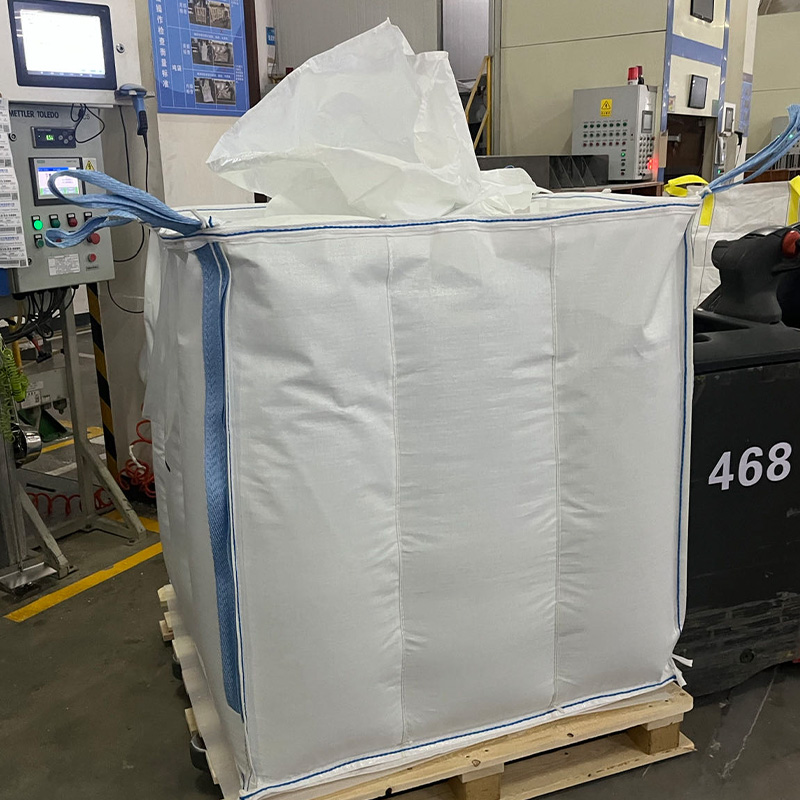
Shipping and storing empty air represents a massive hidden cost in bulk material handling. When standard bulk bags bulge, they waste valuable container space. They create unsafe pallet overhangs and drive up your overall freight expenses. A well-designed Baffle Bulk Bag solves this critical problem. Also known as a Q-FIBC, this option is not just a simple packaging choice. It operates as a strategic logistics tool designed to optimize container space, improve warehouse safety, and reduce freight costs.
You need a clear, evidence-based framework to evaluate your packaging strategy. Upgrading your packaging involves an initial investment. You must determine if the upfront premium yields a positive return on investment for your specific operation. This guide breaks down exactly when and why you should make the switch. You will learn how to audit your current storage efficiency, protect your workforce, and streamline your entire supply chain.
Key Takeaways
Baffle bulk bags utilize internal panels to maintain a square shape, typically saving up to 25-30% in storage and transport space compared to standard FIBCs.
They are highly recommended for fine powders and flowable dry goods where standard bags tend to bulge or become unstable when stacked.
The initial cost premium is usually offset by downstream freight savings, provided your shipping volume and product flow characteristics justify the switch.
Certain materials (e.g., clumping or high-moisture products) may get caught in the internal baffles, making them unsuitable for this bag type.
Standard FIBCs vs. Baffle Bulk Bags: Framing the Logistics Problem
Standard flexible intermediate bulk containers behave much like balloons. When you fill them with product, outward pressure forces the flexible fabric into a round shape. This phenomenon is known as the "cylindrical bulge" effect. It creates immediate logistics headaches across your entire facility. Round bags simply do not sit neatly on square pallets. The excess material overhangs the wooden edges. This overhang makes multi-tier stacking highly unstable and potentially dangerous. Furthermore, round bags fit poorly inside standard ISO shipping containers. You end up paying high freight rates to ship empty voids between the units.
The Q-FIBC solution changes this dynamic entirely through advanced internal construction. Manufacturers sew four corner baffles inside the main body. These internal panels feature precut holes or mesh designs. As product flows into the top spout, it passes easily through these holes. The baffles hold the outer fabric under strict tension. This architecture equalizes the internal weight distribution. It forces the outer walls to maintain a rigid, square footprint regardless of the internal pressure.
Visualize a side-by-side comparison on a flatbed truck. If you place two standard units next to each other, their bulging sides push against one another. They leave wide gaps at the corners and waste several inches of lateral space. Now picture two baffled units side-by-side. They sit flush against each other like perfectly aligned building blocks. You maximize the available surface area completely.
Feature
Standard FIBC
Baffled Q-FIBC
Filled Shape
Cylindrical / Round
Strictly Square
Pallet Overhang
High risk of overhang
Fits flush on standard pallets
Container Efficiency
Leaves empty voids
Maximizes floor space completely
Stacking Stability
Prone to leaning
Highly stable for multi-tier stacking
4 Core Evaluation Criteria: Is a Baffle Bag Right for Your Operation?
Warehouse Space Constraints
Evaluate your current warehouse footprint per ton of stored product. Floor space always commands a premium. A rigid square profile allows you to design tighter, safer stacking grids. Standard round units often require wide aisles. Leaning units constantly pose collapse risks. A square Baffle Bag lets you safely stack inventory higher and closer together. You reclaim valuable square footage immediately. This metric alone often justifies the operational switch for fast-growing facilities running out of floor space.
Freight and Export Container Optimization
Think of shipping overseas as playing a high-stakes game of geometric puzzle-solving. Square units fit perfectly into standard 20-foot and 40-foot shipping containers. You can push them completely flush against the metal walls. This maximizes your payload weight before you max out the physical volume. If you ship lightweight agricultural powders or plastic resins, this optimization proves crucial. You stop paying for unused container volume.
Stacking Safety and Liability
Leaning or tipping bulk materials create massive workplace hazards. A falling unit can cause severe crushing injuries or fatal accidents. The rigid internal structure reduces these risks dramatically. Forklift operators can maneuver square pallets easily. Multi-tier rack storage becomes much more predictable. You minimize accidental product spills. Most importantly, you protect your workforce while adhering to strict warehouse safety guidelines.
Product Flow Characteristics
You must evaluate your exact material properties before making a switch. Free-flowing powders, grains, and dry resins work exceptionally well. The product must flow smoothly through the internal holes during both filling and discharging. If your material meets this criteria, the structural benefits will shine. Fine cement, sugar, and flour represent ideal candidates for this internal architecture.
Industry-Specific Applications: Compliance and Performance
Sourcing a Reliable Food Grade Bag
The food industry demands absolute hygiene and rigorous tracking. When sourcing a Food Grade Bag, you face strict regulatory requirements. Facilities producing these units must hold global safety certifications like BRCGS. Manufacturers must use 100% virgin polypropylene. You must address specific hygiene challenges regarding the internal panels. Baffles create extra seams inside the packaging. You must ensure the manufacturer uses specialized ultrasonic cutting techniques. This prevents loose threads from contaminating products like milled flour, powdered sugar, or fine spices.
Here are crucial best practices for food packaging applications:
Always verify cleanroom manufacturing standards before purchasing.
Specify ultrasonic cut edges for all internal panels.
Demand strict metal detection sweeps before final packing.
Utilize inner polyethylene liners to block moisture transmission.
Engineering a Safe Chemical Bag
Hazardous dry chemicals require specialized handling protocols. When engineering a Chemical Bag, the safety stakes increase significantly. You often transport highly combustible or reactive powders. You must combine the space-saving benefits with proper anti-static properties. Type C or Type D fabrics dissipate static electricity safely. This prevents catastrophic explosions in dusty environments.
Furthermore, transporting dangerous goods demands strict UN certifications. A well-engineered square unit ensures hazardous materials remain stable during rough ocean transit. The internal panels prevent the cargo from shifting violently inside the container. This stability reduces friction. It lowers the risk of fabric tears and keeps your operation fully compliant with international maritime regulations.
Cost-Benefit Analysis: Calculating the True ROI
Transparent Cost Assumptions
Baffled designs cost inherently more to manufacture than standard u-panel or circular options. They require extra fabric panels. They demand more intensive sewing labor. You must acknowledge this upfront premium. However, stopping your analysis at the initial purchase price represents a common mistake. You must look at the entire supply chain workflow to calculate actual returns.
The Freight Offset Calculation
You must build a conceptual math framework for your shipping routes. Assume a baffled unit costs a certain percentage more than a standard version. Next, factor in the exact space savings. A square profile often allows you to fit 20% more product into a single overseas container. You then divide the total container freight cost by the higher payload weight. The freight savings per kilogram of product drastically outweigh the initial packaging premium. You ship fewer containers annually to move the exact same volume of goods.
Labor Efficiency
Consider the daily routine of your forklift operators. They often struggle to pick up misshapen loads. They waste precious time adjusting precarious pallets. Rigid units eliminate this daily struggle completely. Operators can load trucks significantly faster. They can organize warehouse racks more efficiently. This steady reduction in handling time lowers your overall labor overhead week after week.
Implementation Risks: When Should You NOT Use a Baffle Bag?
Despite their massive logistical advantages, these units are not universal solutions. Applying them to the wrong material causes severe operational delays. You must avoid them under specific conditions.
Moisture-Heavy or Clumping Materials
Sticky or cohesive products pose a major problem. They can bridge across the internal panel holes. They easily get trapped behind the fabric corners. When you attempt to empty the unit, residual product stays stuck inside. This creates massive material loss. It forces workers to manually agitate the packaging, which wastes time and compromises safety.
Low-Volume, Localized Transport
Evaluate your specific shipping distances carefully. If you transport products across town, the math changes completely. You might always have plenty of available flatbed space. In these localized, low-volume scenarios, you might never realize the freight savings. The space-saving benefits simply cannot justify the higher packaging cost. Standard circular options remain perfectly viable here.
Large Aggregate Materials
Consider the physical physical size of your product. Very large chunks or irregularly shaped stones will fail in this design. They cannot flow efficiently through standard cutouts. They will jam the corners and cause the unit to fill unevenly.
Watch out for these three common implementation mistakes:
Failing to test the discharge speed with your specific cohesive powder.
Ignoring the impact of warehouse humidity on powder flowability over time.
Skipping the use of a vibration table during the filling process.
Conclusion
Choosing the right packaging requires evaluating your entire logistics workflow. Choose a baffled design if freight optimization remains a critical metric for your supply chain. It solves stacking safety issues immediately. It maximizes container payloads perfectly. You stop paying to ship empty air and start protecting your warehouse operators from falling hazards.
Your next steps should involve a thorough internal audit. Audit your current shipping container fill rates. Calculate exactly how much empty space you ship daily. Consult with a reliable packaging supplier to discuss your material specifications. Request a sample unit and conduct a pilot filling test at your facility. Measure the exact space saved on a single pallet to confirm your operational ROI.
FAQ
Q: What does Q-FIBC stand for?
A: Q-FIBC stands for "Quad FIBC" or baffled bulk bag. The industry uses this term to describe flexible intermediate bulk containers featuring four internal sewn panels. These internal panels maintain the square shape of the unit, preventing the cylindrical bulging common in standard designs.
Q: Can a baffle bag hold as much weight as a standard bulk bag?
A: Yes. They hold just as much weight as standard options. Manufacturers engineer them with comparable Safe Working Loads (SWL), typically ranging from 1,000 to 4,000 pounds. They adhere to strict Safety Factors (SF), ensuring complete structural integrity during heavy-duty lifting.
Q: Do baffle bags require special filling equipment?
A: No special equipment is strictly mandatory. Standard filling spouts work perfectly fine. However, adding a vibration table to your filling line provides immense benefits. Vibration helps powders settle evenly around the internal panels, maximizing the total volume packed into the square footprint.
Q: Can a baffle bag be reused?
A: It depends on the design rating. You can reuse them if they hold a 6:1 Safety Factor rating, which designates them for multi-trip use. Standard 5:1 rated bags remain strictly for single-trip applications. Always inspect multi-trip bags for fabric wear before reusing them.