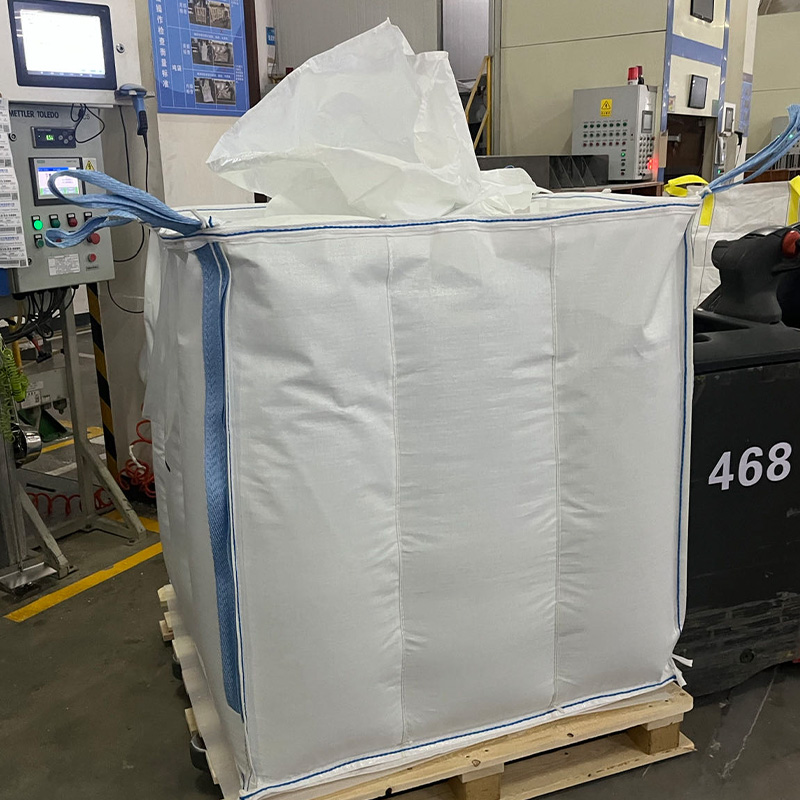
Flexible Intermediate Bulk Containers (FIBCs), also known as bulk bags or jumbo bags, are widely used in industries where bulk materials need to be transported or stored. These bags are versatile, durable, and cost-effective, making them an essential part of the logistics and transportation supply chain. While FIBCs are commonly used across various industries like agriculture, chemicals, and construction, some industries, such as mining, demand more specialized bags to meet the unique challenges of their environments.
Mining bags, specifically designed for the mining industry, are built to withstand the extreme conditions found in mines, such as rough handling, exposure to chemicals, and harsh temperatures. On the other hand, standard FIBCs are made to handle more general bulk goods but may not be suitable for these specialized demands. This article explores the key differences in durability between mining bags and standard FIBCs through a detailed comparison of their material composition, design, testing standards, and environmental resistance.
What Are Mining Bags?
Mining bags are a specialized form of FIBCs designed to handle the specific requirements of the mining industry. These bags are built to endure the high demands of mining operations, where conditions are more challenging than those encountered in general cargo transportation. Mining bags are typically made from heavy-duty materials and include additional reinforcements and features designed to prevent damage from rough handling, extreme weather conditions, and exposure to hazardous substances.
The primary purpose of mining bags is to transport bulk materials such as ore, gravel, sand, and other minerals, which are often heavy and abrasive. These materials can cause wear and tear on less robust containers, making mining bags the best solution for such applications. Additionally, mining bags are designed to support high-load capacities and provide greater resistance to punctures and abrasions. Their durability ensures that they perform reliably in harsh environments.
Key Features of Mining Bags
Heavy-Duty Materials: Mining bags are made from high-strength polypropylene or other reinforced fabrics that offer significantly higher tensile strength than standard FIBCs. This makes them more capable of handling the rough and abrasive materials typical of mining operations.
Reinforced Bottoms and Sides: To withstand heavy, sharp materials, mining bags feature reinforced bottoms and sides that help prevent damage and extend the lifespan of the bags. These areas of the bag are often double-layered or have additional stitching to provide extra durability.
UV Protection: Due to their frequent use outdoors and exposure to sunlight, mining bags are treated with UV inhibitors. This treatment helps to prevent degradation caused by prolonged UV exposure, which can weaken the bag material over time.
Design Customization: Mining bags can be custom-designed to meet the specific needs of a mining operation, such as the addition of anti-static properties, lifting loops, or specific discharge features tailored to the type of material being transported.
What Are Standard FIBCs?
Standard FIBCs are used in a variety of industries for transporting dry bulk materials such as grain, sand, chemicals, and even food products. While these bags are designed to be sturdy and versatile, they are generally not equipped to handle the extreme conditions of mining environments. Standard FIBCs are made from woven polypropylene, which is a lightweight material that provides sufficient durability for less demanding applications.
The key advantage of standard FIBCs is their cost-effectiveness and flexibility. These bags are designed to carry a wide range of materials, and their simple construction allows for mass production at relatively low costs. Standard FIBCs can be used for a variety of bulk goods, but they are not specialized for heavy-duty or rough handling, which is often required in the mining industry.
Key Features of Standard FIBCs
Material: Typically made from woven polypropylene, these bags are strong but not specifically engineered for extreme conditions. They provide adequate strength for general-purpose bulk material handling but are not reinforced for high abrasion or heavy stress.
Standard Load Capacity: Standard FIBCs are designed to handle materials ranging from light to moderately heavy loads, with typical load capacities of 500 kg to 2,000 kg.
Basic Construction: The construction of standard FIBCs is relatively simple, with most bags featuring a basic design with a top opening, bottom discharge, and four lifting loops for easy handling. While this design is efficient, it does not offer specialized features to enhance durability in harsh environments.
Key Durability Differences Between Mining Bags and Standard FIBCs
The main differences in durability between mining bags and standard FIBCs lie in the materials used, their construction, and their ability to withstand environmental stress. Mining bags are built to handle rough treatment, heavy loads, and exposure to various harsh conditions that standard FIBCs are not designed for.
Material Composition
Feature | Mining Bags | Standard FIBCs |
Material Type | High-strength polypropylene or other heavy-duty fabrics | Woven polypropylene |
Tensile Strength | Higher tensile strength to resist heavy loads and rough handling | Moderate tensile strength for lighter applications |
Abrasion Resistance | Enhanced resistance to abrasion and wear | Standard abrasion resistance |
Mining bags use stronger, more durable materials that allow them to handle rougher conditions. These bags are reinforced with additional layers of fabric and specialized stitching to ensure that they do not tear or wear down easily under heavy loads or extreme conditions.
Thickness and Weight
Mining bags are generally thicker and heavier than standard FIBCs. This additional thickness provides better protection against punctures and abrasions. Mining bags need to endure the impact of rocks and ores, making extra thickness an essential feature. Standard FIBCs, being lighter and thinner, are more suitable for less abrasive materials and are not as resistant to damage in extreme mining conditions.
Reinforcement Features
One of the key differentiators between mining bags and standard FIBCs is the reinforcement at critical stress points. Mining bags often feature double stitching, reinforced corners, and additional fabric layers at the base. These reinforcements ensure that mining bags can handle the weight and abrasiveness of the materials being transported, while standard FIBCs may not offer this level of protection.
Durability Test Criteria
To properly assess the durability of mining bags versus standard FIBCs, several tests are conducted to determine their ability to withstand stress and wear. The most common criteria for durability include load capacity, tensile strength, abrasion resistance, and tear resistance.
Load Capacity
Mining bags are designed to carry significantly heavier loads than standard FIBCs. The robust construction and reinforced design allow mining bags to handle heavy and abrasive materials that would quickly degrade a standard FIBC.
Mining Bags: Typically can carry loads of up to 3,000 kg or more, making them ideal for transporting ores and rocks.
Standard FIBCs: Typically designed for loads between 500 kg and 2,000 kg, these bags are not built to support the extremely heavy materials found in mining environments.
Tensile Strength
The tensile strength of a bag refers to its ability to resist tearing or breaking when subjected to pulling forces. Mining bags are designed with higher tensile strength to handle rough handling, while standard FIBCs have moderate tensile strength suitable for lighter materials. The higher tensile strength of mining bags ensures that they are able to endure more intense forces without breaking.
Abrasion Resistance
Abrasion resistance is one of the most important factors for mining bags, as they are exposed to rough materials that can cause significant wear. Mining bags are tested for their ability to withstand abrasion, and they outperform standard FIBCs in this regard due to their thicker, reinforced construction.
Tear Resistance
Tear resistance measures how well a bag can withstand punctures or tears when exposed to sharp objects or rough materials. Mining bags are specifically engineered for high tear resistance, with multiple layers of fabric and reinforced stitching. This makes them far more durable in mining environments than standard FIBCs.
Environmental Conditions Impacting Durability
Mining bags are often subjected to harsh environmental conditions such as extreme temperatures, moisture, and chemical exposure. These conditions can cause damage to bags that are not specifically designed to withstand such stress. Mining bags are built with these challenges in mind, ensuring that they perform reliably in all conditions.
Extreme Temperatures
Mining operations frequently occur in areas with extreme temperatures, both hot and cold. Mining bags are designed to withstand these temperature fluctuations, while standard FIBCs may not be suitable for use in extreme climates.
Mining Bags: Can handle temperatures ranging from -40°C to 90°C, making them ideal for both cold mining environments and high-temperature conditions.
Standard FIBCs: Designed for more moderate conditions, typically ranging from 0°C to 40°C.
Moisture and Chemical Exposure
Mining bags are often exposed to water, oils, and chemicals during the mining process. These bags are treated with special coatings to resist moisture absorption and chemical degradation. In contrast, standard FIBCs are not designed for such exposure and may degrade faster when subjected to these conditions.
UV Resistance
UV degradation is a concern for bags used outdoors. Mining bags are treated with UV-resistant coatings that help prevent the material from breaking down under prolonged exposure to sunlight. Standard FIBCs, while UV-resistant to some degree, are not as effective in protecting against long-term exposure to UV rays.
Testing Procedures for Durability
To ensure that mining bags and standard FIBCs meet durability standards, several tests are performed. These tests simulate real-world conditions to determine how well the bags hold up under stress.
Common Testing Procedures
Static Load Test: Measures how much weight the bag can carry without failure.
Dynamic Load Test: Assesses how well the bag performs under movement or rough handling.
Abrasion Resistance Test: Evaluates the bag's ability to resist wear and tear.
Tensile Strength Test: Tests how much pulling force the bag can withstand before it breaks.
Conclusion
In conclusion, mining bags are specifically engineered to withstand the demanding conditions of mining operations, offering unmatched durability when compared to standard FIBCs. With reinforced stitching, heavier materials, and superior resistance to abrasion, tears, and environmental stress, mining bags are designed to handle the heavy, abrasive, and harsh materials commonly found in mining environments. For mining companies seeking reliable and long-lasting solutions, mining bags are the obvious choice.
At Qingdao Baigu Plastic Products Co., Ltd., we specialize in manufacturing high-quality mining bags that meet the unique needs of the mining industry. Our products are crafted using top-grade materials and are designed to provide exceptional performance in challenging conditions. We invite you to explore our range of durable mining bags and get in touch with us for more information. Our team is ready to assist you in selecting the best solutions for your mining operations.
FAQ
Q1: What materials are used in mining bags?
Mining bags are typically made from high-strength polypropylene, reinforced with extra layers and UV-resistant coatings to withstand harsh mining environments.
Q2: How do mining bags differ in terms of load capacity?
Mining bags generally have a higher load capacity than standard FIBCs, often carrying up to 3,000 kg or more, compared to the 500 kg to 2,000 kg range for standard bags.
Q3: Are mining bags resistant to chemicals?
Yes, mining bags are designed with chemical-resistant coatings to protect the fabric from degradation when exposed to chemicals used in the mining process.
Q4: Can mining bags handle extreme temperatures?
Mining bags are built to withstand extreme temperatures, ranging from -40°C to 90°C, making them suitable for mining operations in various climates.


