Introduction
Have you ever wondered how industries transport bulk materials efficiently? FIBC bags, or Flexible Intermediate Bulk Containers, offer the solution. These durable bags are used in agriculture, chemicals, and construction.
In this article, we’ll explore the meaning of FIBC bags and their key benefits. You’ll learn about their different types and applications.
Whether you’re new to FIBC bags or seeking the best solution, this guide has you covered. Learn more about Baigu’s products.
What is an FIBC Bag?
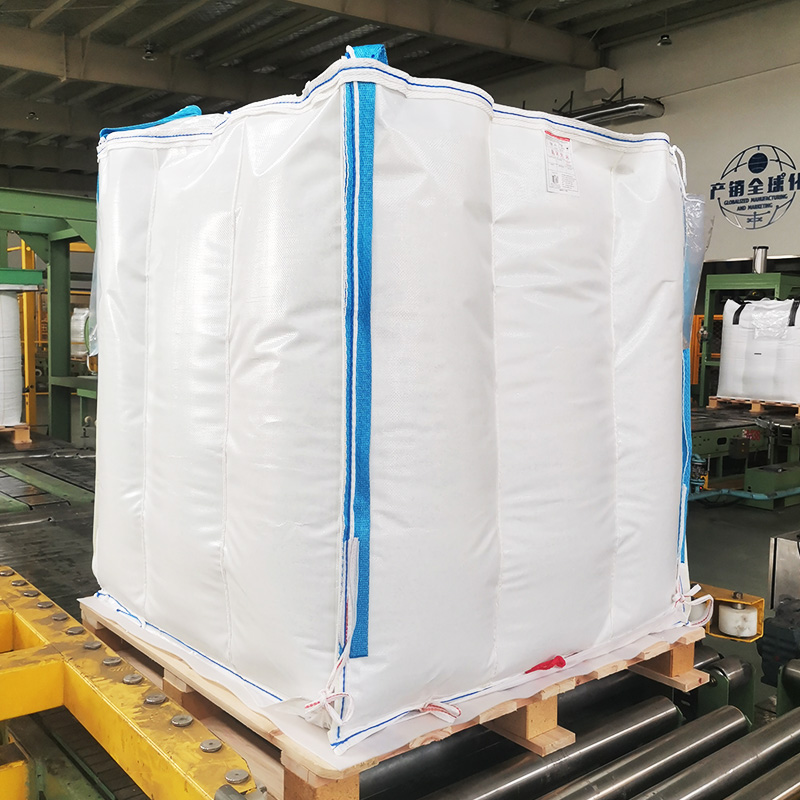
An FIBC bag is an industrial-grade container made from woven polypropylene, specifically designed to handle bulk materials such as powders, grains, and chemicals. These bags are strong and flexible, allowing them to carry significant loads (up to several tons) safely. Due to their design, they are reusable, stackable, and efficient for both storage and transport.
The construction of FIBC bags includes woven fabric made of polypropylene, which provides high tensile strength and the ability to withstand significant weight. This makes them an excellent choice for transporting materials such as fertilizers, grains, sand, and powders. Whether for storing dry materials, food products, or chemicals, FIBC bags are highly customizable to suit specific storage or transport needs.
What Are FIBC Bags Made Of?
Typically, FIBC bags are made of polypropylene, a versatile thermoplastic that is lightweight yet durable. This material is not only flexible but also resistant to environmental conditions like moisture, UV exposure, and chemicals. This resistance is particularly beneficial when storing materials in harsh or outdoor environments. Polypropylene also has the advantage of being recyclable, making these bags an environmentally friendly choice compared to other bulk storage solutions.
Some FIBC bags are also designed with specialized features like internal liners, UV protection, or coatings that add an extra layer of resistance to moisture or contamination. For example, some bags might feature moisture-resistant coatings or food-grade liners for sensitive applications, ensuring that the stored materials are protected from external contaminants.
How Do FIBC Bags Work?
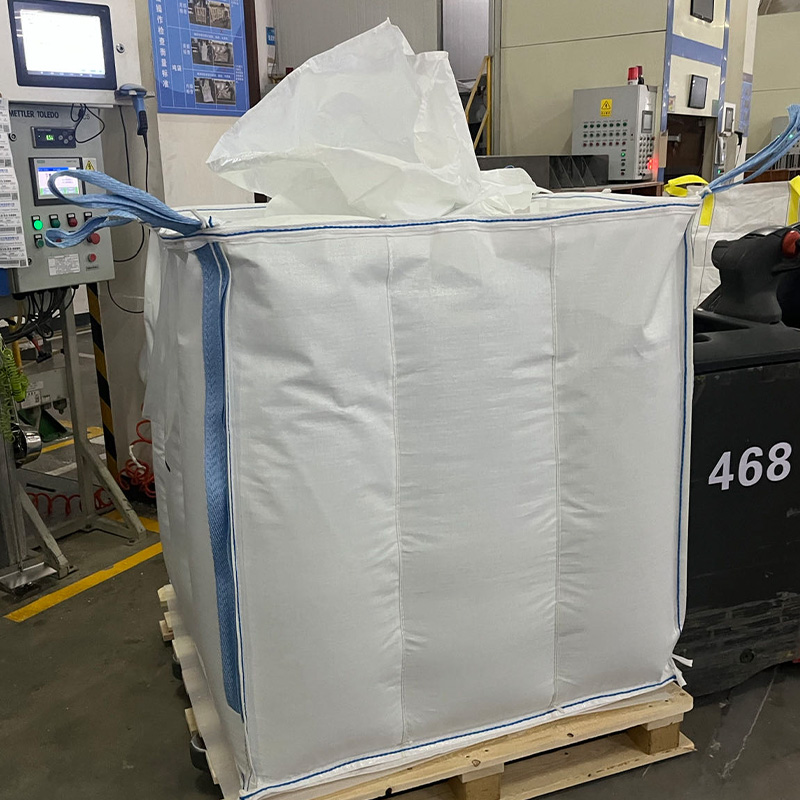
FIBC bags are designed to handle heavy-duty storage and transportation tasks efficiently. They are especially useful in bulk handling because they provide a convenient way to store large quantities of goods while minimizing the use of space during transport.
Construction of FIBC Bags
FIBC bags are made by weaving polypropylene threads into a strong fabric that is durable enough to carry heavy loads. The bags are typically designed with reinforced seams and can be fitted with different types of loops for easy lifting and transport. For instance, many FIBC bags come with corner loops, cross-corner loops, or sleeve lifts, making them compatible with forklifts, cranes, and other material handling equipment. This versatility allows for safe and efficient handling, even with large or heavy loads.
Filling and Discharge Methods
Filling FIBC bags is a straightforward process, and depending on the specific design of the bag, it can be done through various means. Open-top designs are commonly used for easier filling, while spout-top or duffle-top bags offer more control and precision for filling operations. For discharging materials, bags may be equipped with discharge spouts, ensuring that materials can be easily unloaded without spillage or loss.
This adaptability in filling and discharging makes FIBC bags suitable for different industries and applications, whether for transporting grains, chemicals, or construction materials.
Storage and Transportation Benefits
FIBC bags offer significant advantages for both storage and transport. When empty, they are compact and lightweight, which reduces the need for storage space. Once filled, their sturdy construction allows them to hold substantial amounts of material while maintaining stability during transportation. Additionally, these bags can be stacked, optimizing space and reducing transport costs.
Their flexibility and ease of use make FIBC bags a cost-effective solution, especially for industries where large volumes of material need to be handled regularly.
Types of FIBC Bags
There are several types of FIBC bags available, each designed to meet specific material and environmental requirements. These bags differ primarily in their construction and the static protection they offer, which is crucial for safely transporting certain materials.
Type A FIBC Bags
Type A FIBC bags are made from non-conductive material and do not offer static protection. They are suitable for transporting non-flammable materials in environments where there is little to no risk of static discharge. However, these bags must not be used for storing or transporting flammable materials because of the risk of fire or explosion from static build-up.
Type B FIBC Bags
Type B bags provide a basic level of static protection. These bags prevent highly energetic brush discharges but do not fully dissipate static electricity. They are ideal for handling dry, combustible powders, but they should not be used in environments with flammable solvents or gases, as normal brush discharges can still occur.
Type C FIBC Bags
Type C FIBC bags are conductive and designed to discharge static electricity. These bags must be grounded during use to prevent the build-up of static charges that could lead to sparks or explosions. They are commonly used in industries such as chemicals and pharmaceuticals, where electrostatic discharge protection is essential for handling hazardous materials.
Type D FIBC Bags
Type D FIBC bags are made from anti-static fabric and do not require grounding. These bags are designed to prevent sparks and brush discharges, making them suitable for use in environments where flammable materials are handled. The added benefit is that they can be used without the need for grounding, providing more flexibility in operation.
FIBC Type | Static Protection | Suitable For | Not Suitable For | Key Features |
Type A | No static protection | Non-flammable materials | Flammable materials or environments with static risk | Standard polypropylene construction |
Type B | Partial static protection | Dry, flammable powders (without solvents or gases) | Flammable solvents or gases | Low breakdown voltage to prevent brush discharges |
Type C | Conductive (requires grounding) | Flammable powders in static-sensitive environments | Environments without grounding | Must be grounded to dissipate static |
Type D | Anti-static (no grounding required) | Flammable powders in explosive environments | Contaminated surfaces (e.g., grease) | Static protective fabric, no grounding required |
Advantages of Using FIBC Bags
The widespread use of FIBC bags across various industries is due to the numerous advantages they offer. From cost savings to enhanced safety, these bags provide a range of benefits that make them a preferred choice for bulk material handling.
Cost-Effectiveness and Durability
FIBC bags are known for their cost-effectiveness. Their durable nature means they can be reused multiple times, providing long-term savings compared to single-use containers. Additionally, they are lightweight, which reduces shipping costs, making them a more affordable solution for businesses.
Versatility Across Industries
One of the key reasons FIBC bags are popular is their versatility. These bags can be used for a wide variety of materials, from agricultural products like grains and fertilizers to chemicals and construction materials. Their adaptable design means that businesses can tailor the bag features (such as coatings, liners, and static protection) to suit their specific needs.
Environmental Benefits
FIBC bags are an environmentally friendly packaging solution. Since they are reusable and recyclable, they help reduce waste and support sustainable practices. Their long lifespan means fewer bags need to be disposed of, leading to a reduction in landfill waste. For companies focused on sustainability, using FIBC bags is a way to lower their environmental impact.
Environmental Benefit | Description |
Reusability | FIBC bags can be reused multiple times, reducing the need for new packaging materials. |
Recyclability | Made from recyclable polypropylene, reducing landfill waste. |
Reduced Carbon Footprint | Fewer single-use containers and packaging materials, lowering environmental impact. |
Improved Worker Safety
FIBC bags also contribute to workplace safety. By using these bags, companies reduce the need for manual handling of heavy materials, which can lead to workplace injuries. Instead, workers can use forklifts or hoists to lift and transport the bags, minimizing the risk of strain injuries and improving overall workplace safety.

Choosing the Right FIBC Bag for Your Needs
Selecting the right FIBC bag depends on several factors, such as the material being transported, the environment in which the bag will be used, and the specific handling and safety requirements.
● Material Type: Consider the characteristics of the material being stored, such as whether it is flammable, moisture-sensitive, or prone to contamination.
● Environmental Conditions: If the bag will be used outdoors or in environments with exposure to UV rays or moisture, it may be necessary to choose a bag with added UV protection or a moisture-resistant coating.
● Bag Features: Depending on your needs, you might require additional features such as discharge spouts, liners, or specific types of static protection.
Safety Considerations for FIBC Bags
When using FIBC bags, safety is a top priority, especially when dealing with hazardous materials. Proper grounding is essential for Type C bags, while Type D bags offer anti-static protection without the need for grounding. Additionally, businesses should ensure that bags are handled properly to avoid risks related to static electricity, contamination, or mechanical failure.
Common Uses of FIBC Bags in Different Industries
FIBC bags serve a variety of purposes across many industries, thanks to their versatility and strength. Common uses include:
Agriculture
In agriculture, FIBC bags are widely used to store and transport grains, seeds, and fertilizers. The bags' ability to protect against moisture and contamination helps preserve the quality of agricultural products during storage and transport.
Chemical and Pharmaceutical Industries
In the chemical and pharmaceutical sectors, FIBC bags provide a safe and efficient way to transport powders, granules, and liquids. These industries often require high standards of safety and cleanliness, which can be achieved by using specially designed bags with liners and other protective features.
Construction and Mining
FIBC bags are also a staple in construction and mining, where they are used to transport materials such as sand, gravel, cement, and chemicals. Their ability to hold heavy loads and maintain stability during transport makes them ideal for these high-demand environments.
Industry | Materials Stored | Benefits of FIBC Bags |
Agriculture | Grains, seeds, fertilizers | Protects from moisture, contamination, and pests |
Chemical/Pharmaceutical | Powders, granules, liquids | Ensures safety and cleanliness, prevents contamination |
Construction/Mining | Sand, gravel, cement, chemicals | Strong enough to carry heavy loads, stackable for storage |
Food Processing | Potatoes, onions, other food products | Maintains product integrity, prevents contamination |
Conclusion
FIBC bags are crucial for handling bulk materials in multiple industries. Their versatility, durability, and cost-effectiveness make them ideal for businesses aiming to enhance operational efficiency and safety. By selecting the appropriate FIBC bag, businesses can optimize material handling and ensure sustainability. Baigu offers high-quality FIBC bags designed to meet various needs, providing reliable and efficient packaging solutions.
Tip: Ensure you select the right FIBC bag based on the material being transported and the specific safety requirements of your environment. Proper selection will optimize your storage and transport operations.
FAQ
Q: What is the meaning of an FIBC bag?
A: An FIBC bag, or Flexible Intermediate Bulk Container, is a large, durable bag used for transporting and storing bulk materials like powders, grains, and chemicals.
Q: How do FIBC bags work?
A: FIBC bags are designed to store and transport bulk materials safely. They are made of strong woven polypropylene and can be filled and discharged easily, with various top and bottom designs.
Q: Why should I use an FIBC bag?
A: FIBC bags offer cost-effectiveness, durability, and versatility. They help businesses handle bulk materials efficiently, improve storage, and ensure safe transport.
Q: What are the benefits of using FIBC bags?
A: FIBC bags are reusable, environmentally friendly, and help reduce transport costs. Their strength and flexibility make them ideal for handling large volumes of materials.


