
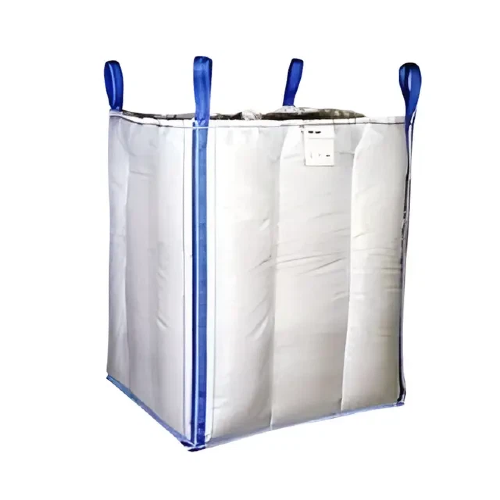
Flexible Intermediate Bulk Containers (FIBC bags), commonly referred to as jumbo bags or bulk bags, are large, flexible containers designed to carry bulk materials in various industries. These bags are made of woven polypropylene and are used to handle a wide range of materials, including sand, chemicals, and food products. Their robust design makes them ideal for carrying heavy loads, but improper handling can lead to accidents, product loss, and even injury.
Handling FIBC bags correctly is crucial for maintaining safety, ensuring bag durability, and avoiding unnecessary costs. In this article, we will explore the Top 5 Mistakes When Handling Heavy FIBC Bags, detailing how to avoid these errors to prolong the life of the bags and ensure a safe working environment. Understanding these mistakes and their solutions will help operators and workers ensure that heavy FIBC bags are handled with care.
1. Improper Lifting Techniques
Understanding the Risks of Incorrect Lifting
Improper lifting techniques are one of the most frequent and dangerous mistakes made when handling FIBC bags. Lifting heavy bags without using the correct posture or equipment can not only damage the bag but also cause significant harm to the person handling the load. Lifting heavy bags improperly places undue strain on the back and other muscles, leading to chronic injuries such as strains or sprains.
Incorrect lifting can also lead to the FIBC bag losing its shape and structural integrity. If the lifting method is not suitable, the bag may twist, leading to uneven pressure distribution inside, which could cause it to rupture or tear. The consequences of lifting improperly extend beyond injury and material loss—they can also compromise safety standards and operational efficiency.
Best Practices for Lifting FIBC Bags
To mitigate these risks, it is essential to follow proper lifting techniques. Here are a few key practices to ensure safe handling:
Use Proper Body Mechanics: Lift with your legs and not your back. Bending your knees while maintaining a straight back ensures that the load is distributed evenly through your body and minimizes the risk of injury.
Mechanical Lifting Aids: For bags that exceed the safe manual lifting weight limit, always use mechanical lifting aids such as forklifts, hoists, or cranes. These tools can efficiently handle heavy bags without risking injury.
Proper Load Distribution: When lifting, make sure the load inside the FIBC is evenly distributed. Uneven distribution can make the lifting process much more difficult and put excessive strain on both the handler and the bag.
By adopting these best practices, you will ensure both the safety of workers and the longevity of FIBC bags.
2. Overloading the FIBC Bag
The Consequences of Overloading
Overloading an FIBC bag is another critical mistake that often leads to bag failure. Each bag has a maximum load capacity, and exceeding this limit can cause it to tear or collapse under the weight. Overloaded bags can result in loss of materials, contamination, or worse, accidents that can injure workers or damage equipment.
Overloading can also affect the structural integrity of the bag. If the fabric is stretched beyond its capacity, it can weaken, making the bag prone to punctures and irreversible damage. This not only affects the bag's durability but also poses a safety risk during the loading and unloading process.
How to Avoid Overloading FIBC Bags
To prevent overloading and the associated risks, follow these guidelines:
Steps to Prevent Overloading | Explanation |
Know the Weight Limits | Always check the manufacturer's specified weight capacity for each type of bag. |
Choose the Right Type of Bag | Select the FIBC type that matches your load requirements, such as Type C or Type D for hazardous materials. |
Distribute the Load Evenly | Ensure that materials inside the bag are evenly distributed to avoid concentrating weight in one spot. |
By following these steps, you can prevent overloading and ensure that FIBC bags perform as expected.
3. Failing to Inspect Bags Before Use
Why Inspections Are Essential
Inspecting FIBC bags before each use is vital to ensuring safety and preventing accidents. Undetected damage, such as tears, holes, or weak seams, can lead to catastrophic failure when the bag is filled with heavy or hazardous materials. Failing to inspect bags is not only a safety risk but can also cause significant financial loss if materials are spilled or contaminated.
Many companies fail to realize the importance of thorough bag inspection. It is often assumed that bags are always in perfect condition, which can be dangerous. Inspections should not just be a once-in-a-while event but a routine task before every use to guarantee that bags are fully functional.
Key Inspection Steps for FIBC Bags
When inspecting an FIBC bag, pay attention to the following:
Check for Tears and Holes: Ensure that no visible tears, punctures, or holes exist on the fabric, especially near the seams or lifting points.
Inspect the Loops and Sewing: The loops are critical for safe lifting. Ensure that they are securely stitched and not frayed. Inspect the stitching for any loose or damaged threads.
Check for Deformation: The bag should not be deformed or misshapen. Deformation often indicates prior use beyond the load limit or mishandling.
A routine and thorough inspection process before every use can save both time and money and ensure safe operations.
4. Incorrect Storage of FIBC Bags
How Improper Storage Affects FIBC Bags
The way FIBC bags are stored plays a significant role in their longevity. Storing bags improperly, such as leaving them exposed to harsh environmental conditions or stacking them inappropriately, can weaken the fabric and cause premature wear and tear. Exposure to moisture, UV rays, and extreme temperatures can significantly reduce the bag’s performance and safety.
Storing bags in poor conditions also makes them more susceptible to mold, mildew, and degradation, especially if they are stored in damp areas or exposed to direct sunlight. Proper storage is essential to maintaining the bags' structural integrity and ensuring that they perform at their best when required.
Proper Storage Methods for FIBC Bags
To extend the life of FIBC bags, follow these storage recommendations:
Store Bags in a Dry, Cool Place: FIBC bags should be kept in a dry, cool area with adequate ventilation to prevent moisture buildup. Avoid areas that are exposed to direct sunlight or high temperatures, as UV rays can weaken the fabric.
Stack Bags Correctly: If you must stack the bags, ensure that they are stacked evenly and not overloaded. Improper stacking can cause the bags at the bottom to become deformed or damaged.
Protect Against Abrasion: Keep bags away from sharp objects or rough surfaces that could puncture or scrape the fabric. Storing bags on pallets is ideal to avoid direct contact with the floor.
5. Neglecting to Follow Proper Loading and Unloading Procedures
Risks of Poor Loading and Unloading Practices
Improper loading and unloading practices can result in damage to the FIBC bags. For instance, dragging or dropping the bags can cause punctures or distortions, especially if the bags are already carrying heavy materials. These mistakes can lead to costly spills, product loss, and even environmental hazards.
The FIBC bags need to be handled with care during the loading and unloading processes to prevent damage. Additionally, using the wrong equipment or improper handling methods can lead to accidents and injuries.
Best Practices for Loading and Unloading FIBC Bags
Here are a few guidelines to follow during loading and unloading:
Use Proper Equipment: Always use forklifts, cranes, or hoists to lift and move FIBC bags. This ensures that the bags are lifted evenly and reduces the risk of accidental drops or tears.
Handle with Care: Workers should gently handle the bags, ensuring that they are not dragged or dropped on the ground. Dropping bags can cause significant damage, especially if the contents are heavy.
Ensure Smooth Transitions: When transferring FIBC bags between vehicles or storage areas, ensure that the movement is smooth and controlled to avoid sudden jerks or impacts.
6. Conclusion
Proper handling of FIBC bags is crucial to ensure their strength, functionality, and safety. By avoiding the top 5 mistakes—improper lifting, overloading, failing to inspect, incorrect storage, and neglecting proper loading/unloading procedures—you can significantly extend the lifespan of your bags and enhance operational safety. These precautions not only minimize the risk of accidents but also help maintain smooth, efficient operations in industries that depend on FIBC bags.
At Qingdao Baigu Plastic Products Co., Ltd., we specialize in providing high-quality, durable FIBC bags tailored to meet the specific needs of various industries. With our expert guidance and top-tier products, we ensure that your handling processes are safe and efficient. To learn more about how we can support your operations and provide you with the best FIBC solutions, feel free to reach out to us. We are always ready to assist with your FIBC needs and help optimize your operational safety and efficiency.
7. FAQs
1. How can I ensure that my FIBC bags are loaded correctly?
Ensure that the weight limit of the bag is not exceeded, and the load is evenly distributed. Use forklifts or hoists to lift and load the bags, rather than lifting them manually.
2. What is the best way to store FIBC bags when not in use?
Store FIBC bags in a cool, dry, and well-ventilated area away from direct sunlight and moisture. Ensure they are stacked evenly to avoid damage.
3. How often should I inspect my FIBC bags?
FIBC bags should be inspected before each use, especially if they are used to carry hazardous or heavy materials. Regular inspection ensures the bags remain safe for use.
4. Can I use any lifting technique when handling FIBC bags?
No, it is essential to use proper lifting techniques. Bend your knees, not your back, when lifting. Always use mechanical lifting equipment when handling heavy loads.
5. What should I do if I find damage to my FIBC bag?
If you find any damage to the FIBC bag, do not use it. Replace it with a new one or repair it if possible, depending on the severity of the damage.


