Introduction
How do industries move large amounts of materials safely? FIBC bags are the answer. These strong, durable bags are perfect for transporting and storing bulk materials.
In this article, we’ll explore what FIBC bags are and their benefits. You’ll learn how they help improve safety, reduce costs, and increase efficiency.
FIBC bags are the ideal solution for industries like agriculture, chemicals, and construction. Learn more about Baigu’s products and how they can support your business.
What Are FIBC Bags?
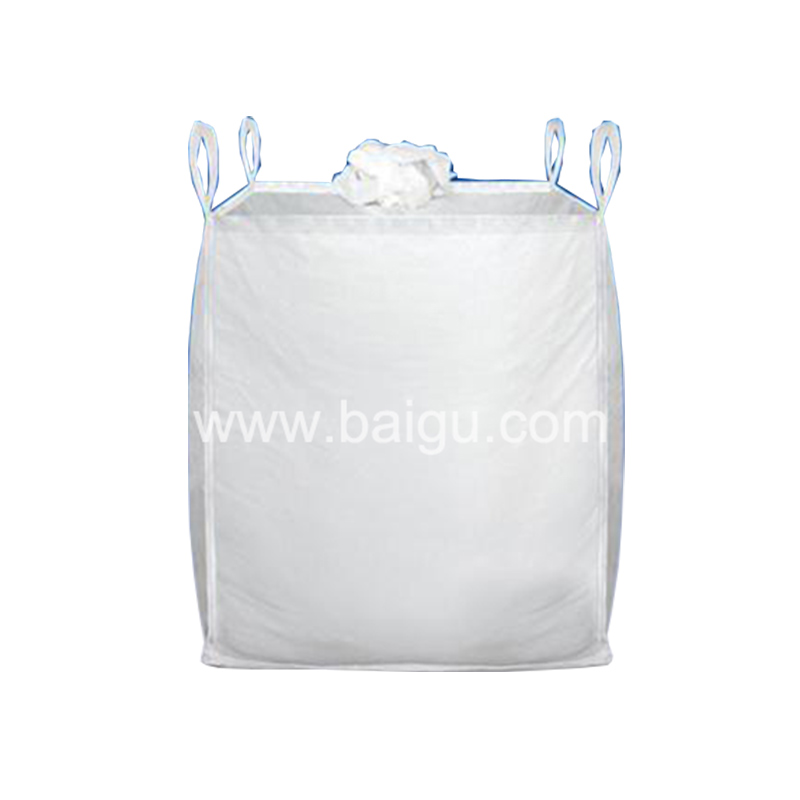
FIBC bags, or Flexible Intermediate Bulk Containers, are large sacks made from woven polypropylene. Designed to carry bulk quantities of dry materials, these bags are highly versatile and are commonly used across various industries such as agriculture, chemicals, construction, and pharmaceuticals. Their unique design, combining woven fabric and sturdy lifting loops, makes them ideal for handling large volumes of materials with ease.
Material and Construction
FIBC bags are primarily constructed from polypropylene, a durable thermoplastic polymer known for its strength and resistance to abrasion, moisture, and tearing. This fabric is woven into a flexible, yet strong structure capable of withstanding heavy loads, making it suitable for storing and transporting a wide variety of products. Whether you're dealing with agricultural products, chemicals, or construction materials, these bags provide a secure and reliable solution for bulk material handling.
Common Uses and Applications
FIBC bags are employed in multiple industries for transporting goods like grains, fertilizers, cement, and chemicals. They are especially effective for storing dry, flowable materials that need to be safely moved or stored. Their versatility in terms of design options and size makes them adaptable for different material types and operational needs.
Key Features of FIBC Bags
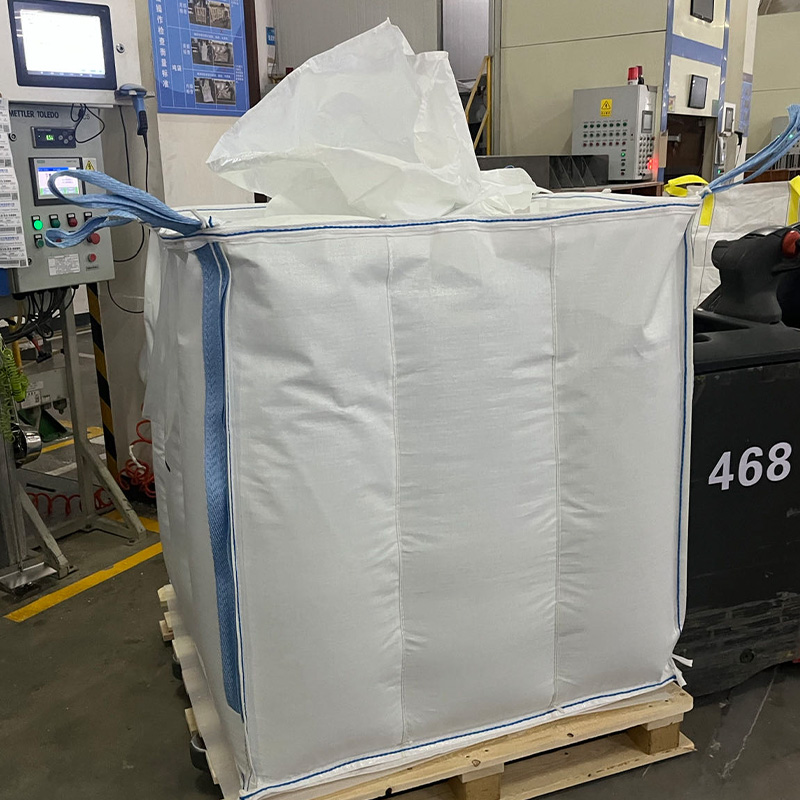
FIBC bags are well-known for their key features that make them highly effective for bulk material handling. Below are some of the standout characteristics:
High Load Capacity
FIBC bags are built to handle large loads, ranging from 500 kg to 2,000 kg or more. Depending on the design and intended use, these bags can support significant weight without the risk of breaking or tearing. Their high load capacity is one of the reasons why they are preferred in industries that require the transport of heavy or voluminous materials.
Versatile Design Options
FIBC bags come in a variety of designs, including open-top, spout-top, and duffle-top configurations, providing flexibility in the way they are filled and emptied. This makes them adaptable to different types of materials and operational setups, allowing businesses to select the best option for their specific needs.
Durability and Strength
The woven polypropylene material used in FIBC bags makes them exceptionally strong and durable. These bags are resistant to tearing, puncturing, and abrasion, ensuring that the stored materials remain safe during transport and storage. This durability is especially crucial when dealing with heavy, sharp, or abrasive materials that could cause damage to weaker containers.
Types of FIBC Bags
FIBC bags are available in several types, each designed to meet specific needs and environmental conditions. Understanding the differences between these types ensures that businesses select the right option for their materials.
Type A – Standard FIBC Bags
Type A FIBC bags are the most basic type. These bags offer no static protection and are designed for non-flammable materials in environments free from static hazards. They are typically used for general bulk materials that don’t pose a fire or explosion risk.
Type B – Antistatic FIBC Bags
Type B FIBC bags are designed to prevent the occurrence of high-energy discharges that could lead to a fire or explosion. These bags are ideal for handling dry, flammable powders in environments that do not contain flammable gases or solvents.
Type C – Conductive FIBC Bags
Type C bags are made from conductive materials and must be grounded during use to prevent the accumulation of static charges. These bags are suitable for transporting flammable materials, providing a safer option when handling products in static-sensitive environments, such as in the chemical or pharmaceutical industries.
Type D – Static Dissipative FIBC Bags
Type D FIBC bags are equipped with static-dissipative properties, which allow them to safely dissipate static charges without the need for grounding. These bags are ideal for use in hazardous environments where grounding is not possible but static control is still required.
Specialty FIBCs
In addition to the four main types, FIBC bags can also be customized for specific applications. For example, food-grade bags are used for transporting edible products and comply with strict hygiene standards. Similarly, UN-certified bags are required for transporting hazardous materials.
FIBC Type | Static Protection | Suitable For | Not Suitable For | Key Features |
Type A | No static protection | Non-flammable materials | Flammable materials or environments with static risk | Basic design, most economical option |
Type B | Partial static protection | Dry, flammable powders (without solvents or gases) | Flammable solvents or gases | Lower breakdown voltage to prevent sparks |
Type C | Conductive (requires grounding) | Flammable powders in static-sensitive environments | Environments without grounding | Must be grounded to prevent static discharge |
Type D | Anti-static (no grounding required) | Flammable powders in hazardous environments | Environments without proper safety equipment | Safe for use in static-sensitive environments |
Industries That Use FIBC Bags
FIBC bags serve various industries due to their ability to efficiently handle bulk materials. Some key sectors that rely on FIBC bags include:
Agriculture and Food Industry
In the agricultural sector, FIBC bags are used to transport grains, fertilizers, and animal feed. Food-grade bags ensure that products such as sugar, flour, and rice are kept safe from contamination during storage and transport. Their hygienic design makes them an essential tool in the food processing industry.
Chemical and Pharmaceutical Industries
FIBC bags are essential for the chemical and pharmaceutical industries. These industries require safe, effective packaging for transporting powders, granules, and liquids. Special types of FIBC bags are designed to meet regulatory requirements for hazardous and non-hazardous materials, ensuring both safety and compliance.
Construction and Mining
FIBC bags are also widely used in construction and mining to transport materials like cement, sand, gravel, and other aggregates. Their strength and ability to carry heavy loads make them ideal for these industries, where bulk material handling is essential for efficient operations.
Waste Management and Recycling
In waste management, FIBC bags are used to transport and store materials such as hazardous waste, scrap, and recyclables. UN-certified FIBC bags are designed to meet safety standards for handling hazardous goods, ensuring compliance with environmental regulations.
Industry | Materials Stored | Benefits of FIBC Bags |
Agriculture | Grains, seeds, fertilizers | Protects from contamination, preserves quality |
Chemical/Pharmaceutical | Powders, resins, chemicals | Safe transport of hazardous materials, ensures product integrity |
Construction/Mining | Cement, sand, gravel, minerals | Strong enough for heavy materials, efficient transport |
Food Processing | Potatoes, onions, sugar, flour | Food-grade bags for sanitary storage and transport |
Benefits of FIBC Bags
FIBC bags offer numerous advantages, making them a popular choice for bulk material handling. Some of the key benefits include:
Cost-Effectiveness
FIBC bags are more cost-effective compared to traditional containers such as drums and metal bins. Their lightweight nature reduces freight costs, and their collapsible design allows for more efficient storage. Additionally, FIBC bags are reusable, further driving down packaging and shipping costs.
Space Efficiency
FIBC bags can be collapsed when empty, making them easy to store in warehouses or shipping containers. Their ability to be folded helps businesses save valuable space, reducing the cost of storing unused packaging material.
Safety and Hygiene
FIBC bags provide a safe storage environment, protecting materials from contamination, moisture, and pests. Food-grade bags, in particular, meet strict standards to ensure that edible products remain safe and uncontaminated. In industries like pharmaceuticals and chemicals, FIBC bags ensure that hazardous materials are stored safely.
Environmental Sustainability
FIBC bags are reusable and recyclable, offering an eco-friendly alternative to single-use packaging. This sustainability aspect helps businesses minimize waste and reduce their carbon footprint. By choosing FIBC bags, companies contribute to environmental conservation while maintaining operational efficiency.
Environmental Benefit | Description |
Reusability | FIBC bags can be reused multiple times, reducing the need for new packaging materials. |
Recyclability | Made from polypropylene, a recyclable material that can be reprocessed into new products. |
Lower Carbon Footprint | FIBC bags reduce the need for additional packaging materials, cutting down on transportation emissions and reducing waste. |
Customization and Tailoring of FIBC Bags
FIBC bags can be tailored to suit specific needs, making them highly versatile. Customization options include:
Tailored Sizes and Capacities
FIBC bags come in a range of sizes and capacities to accommodate different materials. Whether you’re handling small powders or heavy aggregates, there’s a bag designed to meet your needs.
Printing and Branding Options
Many FIBC bags can be printed with logos, handling instructions, and product information, allowing companies to enhance their branding while providing clear instructions for handling.
Specialized Liners and Coatings
To protect sensitive materials, FIBC bags can be equipped with special liners or coatings. These add layers of protection, such as moisture barriers or food-grade linings, ensuring that materials remain safe during transport and storage.
How FIBC Bags Improve Operational Efficiency
FIBC bags are designed to streamline the bulk material handling process, improving efficiency and reducing downtime in operations. Here are some of the ways they contribute to operational success:
Faster Material Handling
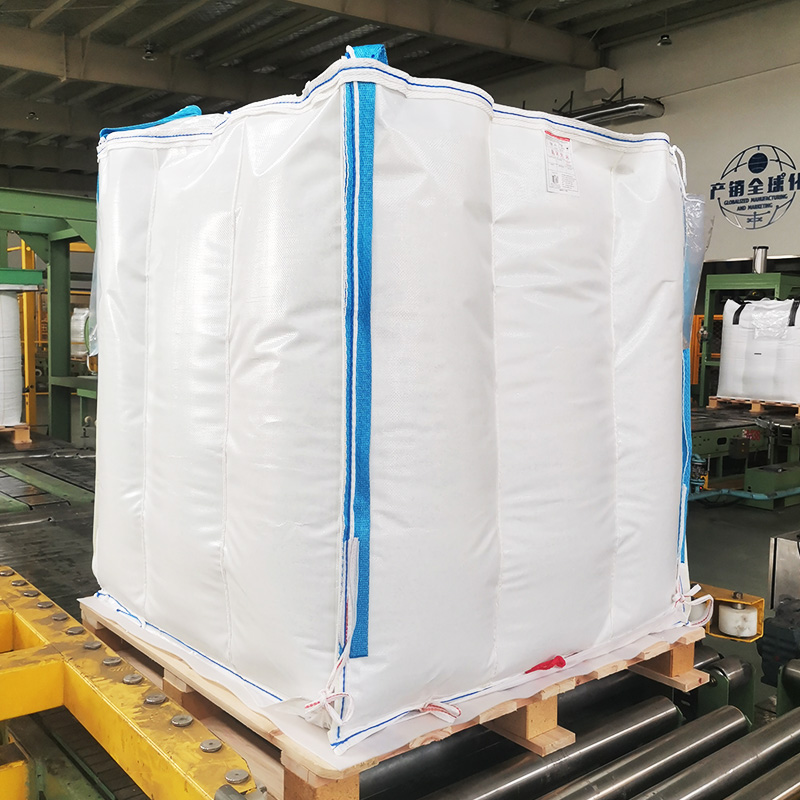
FIBC bags allow for quick filling, unloading, and transportation of bulk materials. Their design enables efficient handling using forklifts, cranes, or hoists, reducing the need for manual labor and speeding up material movement.
Easy Integration with Handling Equipment
The integrated lifting loops in FIBC bags make them compatible with forklifts and other handling equipment. This makes it easy to move heavy materials quickly, reducing manual lifting and improving overall productivity.
Optimized Storage and Shipping
The space-efficient design of FIBC bags ensures that storage and shipping processes are streamlined. Their collapsible feature allows for better space utilization in warehouses and shipping containers, making operations more efficient.
Conclusion
FIBC bags are versatile, durable, and cost-effective solutions for bulk material handling across various industries. From agriculture to construction, they help businesses safely transport and store materials. With customizable features, high load capacity, and environmental benefits, FIBC bags improve operational efficiency and reduce costs. By choosing the right FIBC bag, businesses can enhance their supply chain, ensure material safety, and increase productivity. Baigu offers reliable FIBC bags that provide optimal performance for diverse industrial needs.
FAQ
Q: What are FIBC bags?
A: FIBC bags are large, durable bags made from woven polypropylene, designed for storing and transporting bulk materials like grains, chemicals, and construction products.
Q: How do FIBC bags work?
A: FIBC bags are filled through open tops or spouts and are equipped with lifting loops for easy handling. They provide a safe, efficient way to transport heavy materials.
Q: Why should I use FIBC bags?
A: FIBC bags are cost-effective, space-efficient, and offer high load capacity, making them ideal for bulk storage and transportation in industries like agriculture and construction.
Q: Are FIBC bags customizable?
A: Yes, FIBC bags can be customized in size, shape, and features such as liners or printing, ensuring they meet specific industry requirements.


