
Introduction
Ever wondered how food is safely packaged? Food-grade bags ensure food safety by preventing contamination. These bags meet strict safety standards.
In this article, we explore food-grade bags, their types, and why they matter. You’ll learn about their manufacturing and applications.
Whether you're in food packaging or simply curious, this guide will provide valuable insights. Learn more about Baigu’s products for better food safety solutions.
What is a Food Grade Bag?
A food-grade bag is a packaging solution that meets the safety standards set for materials in direct contact with food. These bags are made from materials that are approved by regulatory bodies like the FDA, ensuring they are free from harmful chemicals that could leach into food. The primary function of food-grade bags is to prevent contamination, preserve the quality of the food inside, and protect it from external elements like moisture, pests, and other harmful agents.
Materials Used in Food Grade Bags
Food-grade bags are commonly made from polyethylene (PE), polypropylene (PP), and nylon. These materials are chemically stable and non-toxic, ensuring they don’t leach harmful substances into food. PE is flexible, moisture-resistant, and ideal for packaging produce and baked goods. PP is more rigid and resistant to heat, making it suitable for snacks, dried fruits, and granola. Nylon offers strength and is breathable, ideal for items like onions or citrus fruits that require ventilation.
Food-grade bags made from these materials undergo stringent quality control checks to ensure they meet the required food safety standards. For instance, FIBC food-grade bags are manufactured in cleanroom environments and comply with HACCP (Hazard Analysis Critical Control Point) and FDA guidelines, guaranteeing the purity and safety of food products during storage and transport.
Key Differences Between Food Grade and Non-Food Grade Bags
The main difference between food-grade bags and non-food-grade bags lies in their material safety. Non-food-grade bags may contain harmful chemicals, such as plasticizers, stabilizers, or other additives that can leach into food, affecting its quality and safety. Food-grade bags, on the other hand, are made with carefully selected materials that are safe for direct food contact and do not affect the taste, odor, or quality of the food inside.
Non-food-grade bags are not manufactured with food safety in mind and could pose risks to the health of consumers, whereas food-grade bags go through rigorous testing and certification processes to ensure they are safe for use with food.

How Are Food Grade Bags Made?
Food-grade bags are produced in compliance with strict safety regulations. The production process involves the careful selection of FDA-approved materials, with close attention paid to hygiene, sterilization, and quality control.
Manufacturing Process
The manufacturing of food-grade bags starts with the selection of FDA-approved raw materials. These materials, such as polyethylene or polypropylene, are melted and extruded into thin films. These films are then cut into the desired shapes and sealed into bags of varying sizes. During production, the bags undergo sterilization to eliminate any potential contaminants, ensuring they meet food safety standards.
In cleanroom environments, food-grade bags are manufactured under strict hygiene protocols to ensure that they do not introduce any harmful bacteria, chemicals, or particles that could contaminate the food.
Certification for Food Grade Bags
To be considered food-grade, bags must be certified by regulatory bodies like the FDA. Certification involves testing the bags for chemical migration, durability, and resistance to punctures or tears. Food-grade bags must meet specific standards for safety and performance before they can be used for packaging food products. By adhering to these certification requirements, manufacturers ensure that the bags are suitable for food storage and transport.
Additives in Food Grade Bags
While additives are not always used in food-grade bags, some bags are treated with substances like UV inhibitors to protect against sunlight or anti-static agents to prevent the build-up of static electricity. Any additives used must also meet food safety standards, ensuring they do not affect the quality of the food.
Types of Food Grade Bags
Food-grade bags come in different types, each suited for specific food products. Below are the most common types of food-grade bags used in the industry:
Polyethylene (PE) Food Grade Bags
PE bags are commonly used for packaging fresh produce, bakery products, and dairy items. They are flexible, moisture-resistant, and durable, making them ideal for packaging perishable goods. They also offer excellent barrier properties, which help maintain freshness by protecting food from environmental factors like humidity and air.
Polypropylene (PP) Food Grade Bags
PP food-grade bags are more rigid and resistant to heat than PE bags, making them suitable for packaging dry foods such as snacks, cereals, and dried fruits. PP bags offer better resistance to grease, which is why they are often used for products like potato chips and crackers. These bags are ideal for packaging dry foods that need to be kept free from moisture.
Nylon Food Grade Bags
Nylon bags are often used for products that require ventilation, such as onions, garlic, and other fresh produce. Their breathability ensures that moisture does not accumulate inside the bag, which helps to extend the shelf life of the produce. Nylon bags are strong, durable, and resistant to tearing, making them ideal for handling bulk quantities of food.
Type of Bag | Material Used | Common Uses |
Polyethylene (PE) Bags | Low-Density Polyethylene (LDPE), High-Density Polyethylene (HDPE) | Produce, baked goods, dairy packaging |
Polypropylene (PP) Bags | Polypropylene | Snacks, cereals, dried fruits |
Nylon Bags | Nylon | Onions, garlic, citrus fruits |
Importance of Food Grade Bags in Food Safety
Food-grade bags play a crucial role in maintaining the safety and quality of food products. They are designed to protect food from contamination and preserve its freshness.
Preventing Contamination
Food-grade bags are manufactured to prevent contamination by providing an effective barrier against chemicals, moisture, and contaminants. They ensure that food remains safe from harmful substances and pathogens during storage, handling, and transportation.
Maintaining Food Freshness
Food-grade bags help maintain the freshness of food by providing an airtight seal that protects the contents from spoilage. For example, freezer-safe food-grade bags prevent freezer burn by keeping moisture away from food, ensuring it retains its taste and texture.
Compliance with Safety Regulations
Using certified food-grade bags helps businesses comply with food safety regulations set by the FDA and other regulatory bodies. These certifications ensure that the packaging material is safe for food contact and does not pose a risk to consumer health.
Applications of Food Grade Bags
Food-grade bags are used in a variety of applications across the food industry, from packaging to transportation and storage.
Food Packaging and Transportation
Food-grade bags are commonly used to package food products for retail and distribution. They are ideal for packaging dry goods, fresh produce, and frozen foods, ensuring the products reach consumers safely and in optimal condition.
Freezing Food
Food-grade bags are perfect for freezing food products, as they provide a barrier against moisture and prevent freezer burn. These bags are designed to withstand low temperatures without becoming brittle or weak, making them suitable for long-term food storage.
Portion Control and Convenience
Food-grade bags are also used for portion control, where food products are divided into convenient servings. This not only helps reduce waste but also allows for better portion management, particularly in restaurants and foodservice establishments.
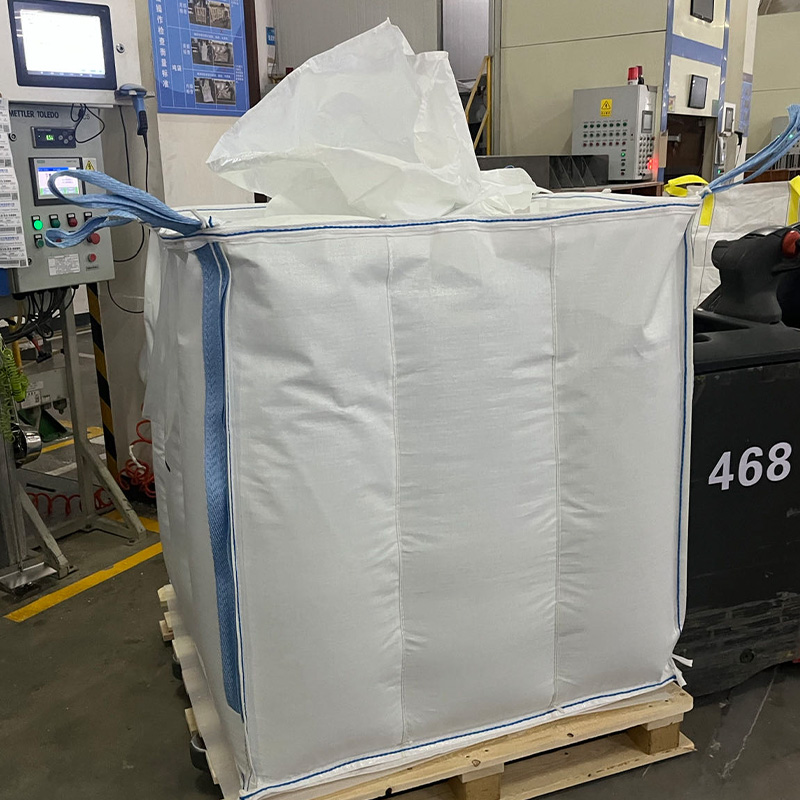
Food Grade Bags vs. Non-Food Grade Bags
The primary difference between food-grade bags and non-food-grade bags lies in their material safety and ability to preserve the quality of food. Food-grade bags are made from non-toxic, FDA-approved materials, while non-food-grade bags may contain harmful chemicals that could affect the safety of food.
Food-grade bags are also designed to be more durable and resistant to external factors like moisture and temperature, ensuring the contents remain safe and fresh during transport and storage.
Feature | Food Grade Bags | Non-Food Grade Bags |
Materials | FDA-approved, non-toxic plastics | May contain harmful additives |
Safety | Tested for direct food contact | Not designed for food safety |
Durability | Resistant to moisture, punctures, and chemicals | May not be as durable |
Compliance | Meets food safety regulations (FDA) | Does not meet food safety standards |
Suitability | Safe for storing and transporting food | Not safe for food storage |
Environmental Considerations of Food Grade Bags
As the food packaging industry evolves, there is growing demand for more sustainable options. Many food-grade bags are recyclable, and efforts are being made to create biodegradable alternatives to reduce the environmental impact.
Recycling and Reusability
Many food-grade bags, particularly those made from polyethylene and polypropylene, are recyclable. Recycling programs for food-grade bags help reduce plastic waste in landfills and contribute to sustainability efforts.
Sustainable Alternatives
In response to environmental concerns, more manufacturers are focusing on biodegradable food-grade bags made from renewable materials. These alternatives offer the benefits of food-grade safety while reducing the overall environmental footprint of food packaging.
Environmental Benefit | Description |
Recyclability | Many food-grade bags are recyclable, helping reduce plastic waste. |
Sustainable Alternatives | Biodegradable food-grade bags reduce the environmental impact. |
Reduced Plastic Waste | Reusable and recyclable bags help lower the overall plastic footprint. |
Conclusion
Food-grade bags are essential for maintaining food safety, quality, and freshness. Made from FDA-approved materials like polyethylene and polypropylene, they offer a secure packaging solution. As demand for eco-friendly options grows, sustainable food-grade bags are being developed to meet both safety and environmental needs. By choosing the right food-grade bag, businesses can comply with regulations while ensuring food protection and sustainability. Baigu offers high-quality food-grade bags, providing businesses with reliable, safe, and eco-friendly packaging solutions.
FAQ
Q: What is a food grade bag?
A: A food-grade bag is a packaging solution made from FDA-approved materials that are safe for direct food contact, ensuring food safety and quality.
Q: Why are food-grade bags important?
A: Food-grade bags prevent contamination, preserve food freshness, and comply with safety regulations, ensuring food products remain safe for consumption.
Q: How can I identify food-grade bags?
A: Food-grade bags are made from FDA-approved materials like polyethylene or polypropylene and often feature certifications or labels indicating they meet food safety standards.
Q: Are food-grade bags recyclable?
A: Yes, many food-grade bags, especially those made from polyethylene and polypropylene, are recyclable, offering an environmentally friendly packaging option.


