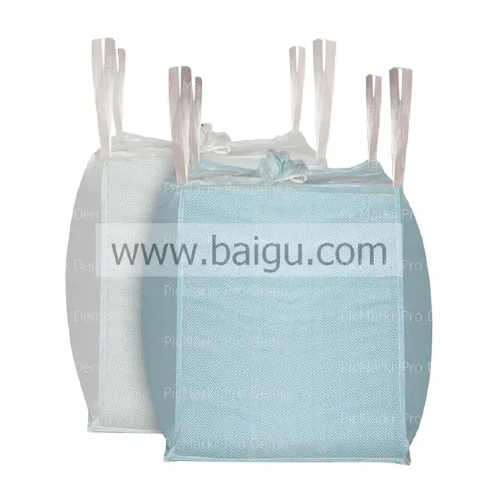
FIBC Bags (Flexible Intermediate Bulk Containers) are an essential packaging solution for transporting large quantities of bulk materials. However, moisture is a significant concern during storage, as it can affect both the integrity of the FIBC bags and the quality of the materials inside. In this article, we will explore how to prevent moisture from accumulating in FIBC bags during storage, detailing the best practices, moisture prevention strategies, and additional measures you can take to ensure the contents remain dry and safe.
FIBC Bags are widely used in various industries such as agriculture, chemicals, food, and construction due to their ability to handle bulk materials efficiently. However, during storage, moisture control becomes a critical aspect that directly affects the quality of the product stored in these bags. Whether you’re storing raw materials or finished products, moisture buildup can lead to deterioration, contamination, and even mold growth.
Understanding the significance of moisture management in FIBC bags is essential for businesses that rely on these bags for long-term storage and transportation. This article will guide you on how to prevent moisture buildup, ensuring your FIBC bags stay in optimal condition for use.
1. Why Moisture Control is Crucial in FIBC Bag Storage
The risk of moisture is often underestimated, but it can cause considerable damage to both the FIBC bag and its contents. Here are a few key reasons why moisture control is essential:
1.1 Moisture and Material Integrity
When moisture enters an FIBC bag, it can cause the contents to degrade, clump, or even become toxic, depending on the material being stored. For example:
Powders may become compacted and harder to transport.
Grains and seeds can sprout, leading to a loss of quality and usability.
Chemicals can undergo reactions when exposed to moisture, rendering them unusable.
1.2 Risks of Mold and Mildew
Moisture in FIBC bags can also foster mold and mildew growth, especially in materials like food, paper, or organic compounds. Mold not only ruins the contents of the bags but also compromises the integrity of the bag itself, leading to potential product recalls and safety hazards.
1.3 Structural Weakening of FIBC Bags
Moisture can affect the physical structure of the FIBC bag. Polypropylene, the primary material used for making these bags, can lose its strength and flexibility when exposed to moisture over time. This can cause the bag to tear or become brittle, rendering it unsuitable for future use.
2. Best Practices to Prevent Moisture in FIBC Bags
Moisture control starts with adopting the right storage practices. Here are the key methods you can implement to prevent moisture from damaging your FIBC bags.
2.1 Proper Storage Location
One of the most effective ways to prevent moisture buildup is to ensure that FIBC bags are stored in a dry and well-ventilated area. The environment in which you store the bags is crucial to their longevity and the quality of the material inside.
Key Storage Conditions:
Avoid damp or humid environments: Store FIBC bags in a place that is free from high humidity levels, such as warehouses with good air circulation.
Climate-controlled storage: Where possible, use climate-controlled facilities that maintain low humidity and consistent temperatures.
Indoor storage: Avoid outdoor storage, as exposure to rain or dew can lead to moisture penetration in the bags.
2.2 Use of Moisture Barriers and Liners
In addition to controlling the environment, using moisture-resistant liners inside FIBC bags can significantly reduce the chances of moisture exposure. These moisture barriers act as a protective shield between the contents of the bag and the external environment.
Moisture Barriers:
Polyethylene liners: These are commonly used as they provide a reliable moisture barrier to prevent water from seeping into the bag.
Waterproof liners: For extremely sensitive materials, using waterproof liners ensures that no moisture enters the bag.
2.3 Elevation and Shelving
Keeping FIBC bags elevated off the ground is another essential step in preventing moisture buildup. When bags are placed directly on the floor, they are more likely to absorb moisture from the ground, especially if the floor is damp or uneven.
Benefits of Elevation:
Air circulation: Elevating bags allows airflow around them, which helps to reduce moisture accumulation.
Protection from damp floors: Elevating bags helps prevent moisture from seeping up from floors, especially in warehouses with concrete or stone surfaces.

3. Additional Moisture-Prevention Measures
In addition to the methods mentioned above, there are several other steps you can take to ensure that your FIBC bags remain moisture-free during storage.
3.1 Regular Inspection
It’s essential to perform regular inspections of FIBC bags to detect early signs of moisture or damage. This can help you catch problems before they escalate.
Inspection Checklist:
Check for dampness or condensation: Feel the outside of the bag to check for any moisture.
Inspect the bag for mold or mildew: Look for visible signs of mold or any musty odors, which are indicative of moisture presence.
Examine the bag’s integrity: Inspect the bag for tears or rips that might allow moisture to enter.
3.2 Protective Covers
For FIBC bags stored in locations where they might be exposed to external elements, using waterproof covers can provide additional protection. Covers can be used to shield the bags from external moisture, whether it’s from rain, humidity, or other environmental factors.
Types of Protective Covers:
Shrink-wrap covers: These tightly seal the FIBC bags, preventing moisture from reaching the contents.
Tarps or waterproof sheeting: These can be draped over FIBC bags to protect them from the environment.
4. Handling FIBC Bags During Transport and Unloading
Preventing moisture in FIBC bags is not just about storage—transportation and unloading practices also play a significant role in keeping moisture at bay.
4.1 Moisture-Proof Transport
To ensure that moisture doesn’t compromise the contents during transportation, it’s essential to use moisture-proof vehicles:
Covered trucks: Ensure that the trucks used to transport FIBC bags are covered and sealed to prevent moisture from entering.
Climate-controlled vehicles: In some cases, it may be necessary to transport FIBC bags in climate-controlled vehicles to maintain optimal conditions.
4.2 Unloading in Dry Conditions
When unloading FIBC bags, do so in dry, controlled environments. This prevents any moisture from entering the bag during the unloading process.
5. Moisture Prevention Strategies for FIBC Bags
Strategy | Description |
Proper Storage Location | Store bags in dry, well-ventilated areas, away from damp floors or water sources. Use climate-controlled facilities if possible. |
Moisture Barriers and Liners | Use polyethylene liners or waterproof barriers to protect contents from external moisture. |
Elevation and Shelving | Elevate FIBC bags off the ground to prevent moisture from seeping in from floors. Ensure bags have proper airflow around them. |
Protective Covers | Use waterproof tarps or shrink-wrap covers to protect FIBC bags stored outdoors or in exposed areas. |
Regular Inspection | Check FIBC bags regularly for signs of dampness or mold, ensuring timely corrective action. |
Moisture-Proof Transport | Ensure transportation vehicles are covered and, if necessary, climate-controlled to prevent moisture exposure. |
Unloading in Dry Conditions | Unload FIBC bags in dry, controlled environments to avoid introducing moisture during the unloading process. |
6. Conclusion
Preventing moisture in FIBC bags during storage is crucial to maintaining the quality of both the packaging and the materials inside. By following best practices—such as storing the bags in dry, climate-controlled environments, using moisture barriers, and ensuring proper elevation and regular inspection—you can significantly reduce the risk of moisture-related issues. Proper handling during transportation and unloading is equally important in preventing moisture exposure.
At Qingdao Baigu Plastic Products Co., Ltd., we understand the importance of moisture prevention in FIBC bags and offer high-quality packaging solutions tailored to meet your specific needs. Our FIBC bags are designed to ensure the integrity of your materials during both storage and transportation. By implementing these moisture control practices, you can preserve the quality of your products and optimize efficiency.
If you're looking for reliable, durable FIBC bags that meet your industry requirements, feel free to reach out to us. Our team is ready to assist you with the best solutions to keep your materials safe and dry.
7. FAQ
Q1: Why is moisture a problem in FIBC bags?
Moisture can cause the materials inside FIBC bags to degrade, clump, or spoil. It can also lead to mold growth and compromise the structural integrity of the bags, making them unsafe for reuse.
Q2: How can I prevent moisture in FIBC bags during storage?
Store FIBC bags in dry, well-ventilated areas and use moisture-resistant liners. Elevating the bags off the ground and using protective covers can further prevent moisture from affecting the contents.
Q3: Can I use desiccants in FIBC bags to prevent moisture?
Yes, placing desiccants inside FIBC bags can absorb excess moisture and keep the contents dry, especially in humidity-prone environments.
Q4: What are the best conditions for storing FIBC bags?
FIBC bags should be stored in a dry, cool, and well-ventilated area. Avoid storing them near moisture sources, such as water pipes or open windows.
Q5: How can I protect FIBC bags during transportation?
Use covered and climate-controlled vehicles for transportation, ensuring that FIBC bags are not exposed to moisture during transit. Consider using shrink-wrap or other protective covers during transportation to prevent moisture from entering the bags.


