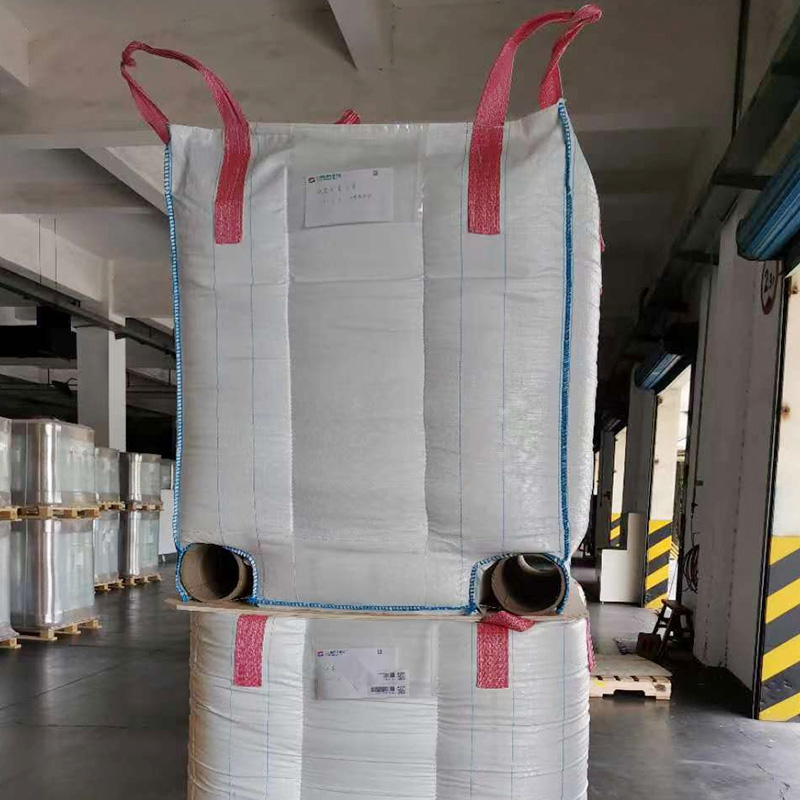
Hidden inefficiencies quietly drain facility resources every day. Traditional bulk material handling relies heavily on rigid wooden or plastic platforms to move goods. These secondary platforms demand extensive storage footprints across your warehouse. They also introduce severe contamination risks through splinters, rusted nails, and harboring pests. Moving away from standard bulk bags paired with pallets represents a major operational shift. Facilities are actively adopting specialized integrated solutions to streamline their entire workflow.
We provide supply chain and procurement managers with a transparent, metric-driven framework. You will learn how to evaluate these modern packaging formats effectively. We will help you determine if transitioning to a pallet-free system aligns properly with your facility's automation capabilities, logistics budgets, and safety standards.
Key Takeaways
Eliminating pallets reduces packaging weight and maximizes shipping volume, but requires compatible forklift equipment at both the loading and receiving facilities.
A Pallet-Free Container Bag generally requires a different initial resource allocation than a standard bulk bag, but often yields better long-term efficiency per trip when factoring in pallet procurement and disposal.
Standard FIBCs remain the optimal choice for highly automated, legacy palletizing lines or when shipping to end-users with unpredictable handling capabilities.
Pilot testing for structural integrity (Safe Working Load/Safety Factor) and operator handling is a mandatory prerequisite before a full supply chain rollout.
The Structural Difference: Standard FIBCs vs. Pallet-Free Container Bags
Standard bulk bags represent the baseline of industrial material handling. These conventional flexible containers usually feature four-loop, cross-corner, or stevedore strap designs. They rely entirely on secondary platforms for structural base support and maneuverability. Operators must place these bags onto rigid wooden or plastic bases to allow forklift tines to lift the load safely. The bag itself only contains the material, while the secondary platform absorbs the primary lifting friction during transit.
Pallet-free alternatives eliminate the need for this secondary platform. A Special Use Bag engineered for this purpose features integrated lifting sleeves or structurally reinforced tunnels built directly into the base or top. Forklift operators insert their tines directly into these fabric channels. The bag functions as both the primary container and the lifting mechanism. It combines two packaging components into one unified asset.
This structural integration requires significant material upgrades. Manufacturers increase the fabric weight, measured in Grams per Square Meter (GSM), particularly around the lifting channels. They reinforce the base construction to distribute the Safe Working Load (SWL) evenly across the fabric. A traditional setup relies on a rigid board to spread the downward force. The integrated alternative uses high-tensile woven polypropylene to manage this tension. It securely supports thousands of pounds without tearing.
Resource Efficiency and Hidden Logistics
Evaluating your packaging strategy requires looking beyond the initial acquisition of materials. Traditional setups force procurement teams to manage two separate inventory streams. You must acquire the bags and you must source the rigid platforms. Integrated bags carry a premium upfront investment for a single unit. However, they eliminate the secondary supply chain entirely. You streamline purchasing, reduce vendor management, and simplify your inventory tracking.
Payload efficiency dramatically improves when you remove rigid platforms from your shipping containers. A standard wooden base weighs approximately 50 lbs (about 22 kg). Eliminating twenty of these platforms from a standard shipping container frees up 1,000 lbs of allowable weight. You can fill this newly available capacity with actual saleable product. Maximizing volumetric and weight limits reduces the total number of shipments needed over a fiscal year.
Reverse logistics present another hidden burden in traditional material handling. Facilities spend significant labor and space managing empty platforms. You must inspect, repair, store, and eventually dispose of broken wooden bases. Integrated bags fold completely flat when empty. You can stack hundreds of empty units on a single skid for easy return or recycling. This flexibility shrinks the reverse logistics footprint and drastically reduces disposal management.
Your return on investment heavily depends on your current logistics loop. Captive, closed-loop systems often see the highest efficiency gains. One-way export shipments require careful analysis to ensure the payload weight savings offset the premium unit investment.
Operational Impact: Handling, Storage, and Safety Standards
Equipment compatibility remains the primary implementation hurdle for integrated bags. Forklift tine spacing must precisely match the width of the bag's integrated sleeves. Operators cannot simply slide their forks under the load indiscriminately. They need specific training and high precision to avoid puncturing the base sleeves or tearing the fabric channels. You must verify that both your loading docks and your receiver's docks utilize compatible equipment.
Warehouse density changes significantly when you standardize on pallet-free formats. You eliminate empty pallet storage yards entirely. This reclaims valuable square footage inside your facility. Stacking integrated bags requires strict adherence to vertical alignment protocols. The rigid base of a traditional setup often forgives slight misalignments. The flexible nature of integrated bags requires precise stacking to prevent load overhang and ensure vertical column stability.
Safety and hygiene compliance improve drastically when you remove wood from your facility. Wooden platforms splinter, break, and shed debris. They frequently harbor pests and absorb moisture. Strict cleanroom, pharmaceutical, and food-grade FIBCS applications cannot tolerate these contamination risks. Integrated bags offer a pure polypropylene environment. They wipe clean, resist moisture, and eliminate nail punctures in your warehouse floors.
You must maintain alignment with general safe handling standards during implementation. The Flexible Intermediate Bulk Container Association (FIBCA) provides clear guidelines for safe lifting. You must utilize the lifting points exactly as designed. Proper handling ensures the bag maintains its designated 5:1 or 6:1 Safety Factor (SF). Incorrect lifting can compromise the fabric and lead to catastrophic material spills.
Decision Matrix: Evaluating Your Supply Chain Readiness
Choosing the right packaging format depends entirely on your specific supply chain infrastructure. Below is a structural comparison to help guide your operational decisions.
Operational Capability
Standard FIBCs (+ Pallets)
Pallet-Free Integrated Bags
Handling Equipment
Universal compatibility with standard forklifts and pallet jacks.
Requires specific tine spacing and precise forklift operation.
Storage Footprint
High space requirements for storing empty rigid platforms.
Minimal space needed. Empty bags fold completely flat.
Contamination Risk
High. Wood splinters, rusted nails, and pest harborages.
Very Low. Pure polypropylene construction eliminates debris.
Payload Optimization
Moderate. Platform weight reduces available shipping weight.
Maximum. Removes dead weight to allow more product per container.
When to Stick with Standard FIBCs
You should maintain standard packaging formats if your receiving customer lacks specialized handling equipment. Facilities utilizing highly automated robotic palletizers calibrated exclusively for rigid dimensions will struggle with flexible bases. Short-term, one-off export shipments also favor traditional setups. You cannot guarantee the end-user's infrastructure in unpredictable global markets. A standard platform ensures they can unload the cargo regardless of their specific forklift configurations.
When to Choose a Pallet-Free Approach
You should switch to an integrated solution if you operate within a closed-loop supply chain. Both ends of the logistical chain must control their handling equipment. High-volume international shippers benefit immensely from this transition. Maximizing container payload weight translates directly to optimized shipping efficiency. Strict cleanroom environments and food-grade processing plants should also adopt this format. Removing wood entirely eliminates severe hygiene compliance risks.
Implementation Risks & Rollout Checklist
Transitions fail when facilities ignore downstream compatibility. Downstream verification acts as your primary safeguard against logistical bottlenecks. You must mandate a comprehensive site audit of your end-user's unloading process. If your customer cannot safely lift the integrated bags, the entire shipment will halt at their receiving dock.
Operator training demands dedicated attention. Forklift operators face a noticeable learning curve. Driving tines into tight fabric sleeves requires much more precision than lifting a rigid board. We recommend developing a structured framework for updating internal Standard Operating Procedures (SOPs). Operators need clear guidance on lifting, maneuvering, and stacking flexible bases safely.
A controlled pilot phase is an absolute necessity. Never execute a full supply chain rollout without localized testing. We advise running a limited trial with a small batch of bags. Track these specific metrics during your pilot program:
Load Stability During Transit: Monitor how the flexible base shifts within the shipping container during long-distance transport.
Loading and Unloading Time Variations: Measure the exact time difference between handling rigid platforms and precision-threading forklift tines into fabric sleeves.
Sleeve Wear and Tear: Inspect the forklift tunnels after multiple lifts to identify premature fabric fraying or seam stress.
Stacking Compression: Observe the bottom tier of bags in a stacked column to ensure the material does not deform under sustained top pressure.
Conclusion
Choosing your ideal packaging format is not purely about isolated material expenses. It requires a comprehensive evaluation of system-wide logistics compatibility. Integrated bags offer exceptional payload optimization, superior warehouse hygiene, and massive reductions in reverse logistics friction. However, they demand precise handling infrastructure and downstream alignment.
We advise procurement teams to audit their current annual platform usage thoroughly. Survey your primary receiving clients before you request a specialized bag prototype. Ensure your entire supply chain can support the shift toward integrated handling.
Consult with an experienced packaging engineer to calculate your specific payload efficiency ratio. Request a technical spec sheet and initiate a limited pilot program. Testing the physical bags in your actual warehouse environment provides the clearest path to optimized material handling.
FAQ
Q: Are integrated pallet-free bags reusable?
A: Yes, provided they are engineered with a 6:1 Safety Factor (SF). Multi-trip bags require rigorous inspection before reuse. You must examine the lifting sleeves for fraying, check the base seams for stress, and ensure UV degradation has not compromised the fabric strength.
Q: Can pallet-free bags handle the same weight as standard setups?
A: Yes. When engineered correctly, integrated bags easily match traditional weight capacities. Their Safe Working Load (SWL) typically ranges from 1,000 to over 4,000 lbs. They utilize reinforced woven polypropylene to distribute the heavy load safely across the base.
Q: How do integrated bags compare to Gaylord boxes?
A: Flexible bags offer superior weather resistance and a significantly smaller empty storage footprint. Gaylord boxes provide rigid walls but consume massive warehouse space when empty. Integrated bags fold completely flat, making them highly efficient for reverse logistics.
Q: Do we need specialized forklift attachments to move these bags?
A: Generally, no. Standard forklift tines work perfectly well. However, the spacing between the tines must precisely match the dimensions of the bag's lifting sleeves. Operators must also exercise caution to ensure blunt tines do not snag or puncture the fabric tunnels during insertion.