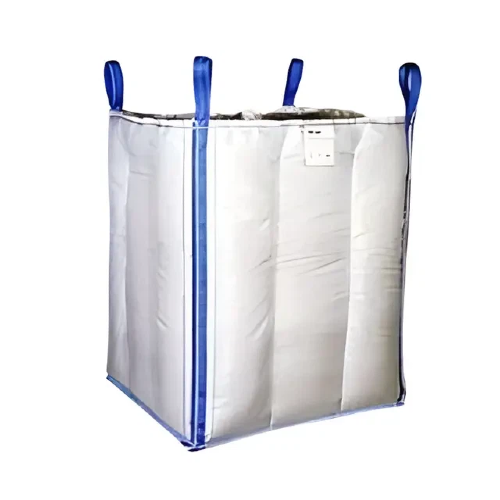
Flexible Intermediate Bulk Containers (FIBC bags), also known as jumbo bags or bulk bags, are essential in a wide range of industries for the safe transportation and storage of bulk materials. These bags are typically made from Polypropylene (PP), a versatile synthetic polymer known for its strength, durability, and resistance to environmental stressors. With the growing awareness around environmental sustainability, questions have been raised about the eco-friendliness of PP material, particularly in relation to its use in FIBC bags. Is PP material truly eco-friendly, and can recycling these bags help reduce their environmental footprint?
In this article, we will explore the environmental impact of PP-based FIBC bags, focusing on their recyclability and sustainability. We will discuss the benefits of recycling these bags, the challenges involved in the process, and the best practices that can help make recycling more efficient. By understanding these key aspects, businesses and consumers can make more informed decisions about using and disposing of FIBC bags.
1. What is PP Material and Its Role in FIBC Bags?
Understanding Polypropylene (PP)
Polypropylene (PP) is one of the most widely used thermoplastic polymers in the world. It is produced through the polymerization of propylene, a byproduct of petroleum refining. PP is known for its excellent balance of physical properties, which makes it highly versatile in industrial applications. In FIBC bags, PP is the material of choice due to its lightweight, durable nature, and resistance to chemicals, UV rays, and moisture. This makes it ideal for heavy-duty applications where strength and longevity are required.
In FIBC bags, PP is used to manufacture woven fabrics that provide the bags with the necessary strength to carry large volumes of materials without compromising their integrity. The lightweight nature of PP helps reduce the transportation costs associated with the bags, and its flexibility allows for easy handling during loading and unloading.
Key Properties of PP Material in FIBC Bags
PP’s properties offer significant advantages for FIBC bags, ensuring they are both functional and cost-effective. Below are the key attributes of PP material in FIBC bags:
Strength and Durability: PP is strong enough to withstand the rigors of carrying heavy and abrasive materials. It provides the necessary tensile strength to prevent tears or breakage during handling.
Chemical Resistance: PP material has a high resistance to many chemicals, making it ideal for industries that deal with corrosive or hazardous materials, such as chemicals, fertilizers, or industrial powders.
Lightweight: Despite its strength, PP is a relatively lightweight material, which contributes to reduced transportation costs compared to other materials such as metal or glass containers.
UV Resistance: Polypropylene can be treated with additives that enhance its resistance to ultraviolet (UV) radiation. This makes FIBC bags suitable for use in outdoor storage or transportation, where exposure to sunlight could degrade other materials.
Despite its many benefits, the production of PP and its use in FIBC bags raises concerns about its environmental impact, particularly in terms of sustainability and recyclability.
2. Environmental Impact of PP Material
Production and Carbon Footprint
The production of PP material is an energy-intensive process that involves the extraction and refining of petroleum, which is a fossil fuel. The polymerization of propylene into polypropylene requires a substantial amount of energy, contributing to greenhouse gas emissions and increasing the carbon footprint of PP production. Although PP is known for being durable and lightweight, its production involves the consumption of non-renewable resources, which raises concerns about the long-term sustainability of using polypropylene in bulk bags.
Moreover, while PP is recyclable, the initial production process is still heavily reliant on petroleum-based resources, which contributes to environmental degradation and the depletion of fossil fuels. This makes PP material less sustainable compared to alternative materials that might be derived from renewable resources.
Challenges of Waste PP Material
After FIBC bags made of PP are used and discarded, the waste poses an additional environmental challenge. As PP material is not biodegradable, FIBC bags that are improperly disposed of will persist in the environment for hundreds of years. Plastic pollution has become one of the most significant environmental issues in recent decades, and PP bags contribute to this problem when they are not properly recycled.
When FIBC bags are not recycled and are left to degrade in landfills or the environment, they can cause significant harm to ecosystems. In addition, the material can break down into smaller microplastics, which can infiltrate the food chain, causing further damage to both wildlife and human health. Therefore, the end-of-life disposal of PP-based FIBC bags requires careful attention to avoid environmental contamination.
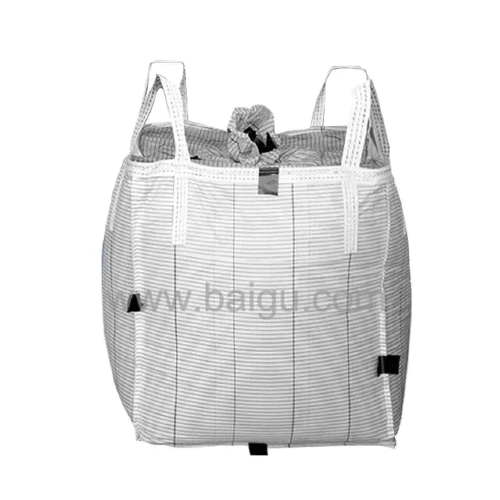
3. The Benefits of Recycling FIBC Bags Made from PP Material
How PP Recycling Works
Recycling PP material used in FIBC bags helps mitigate the environmental impact associated with its production and disposal. The recycling process for PP-based FIBC bags involves several stages that ensure the material is reused and repurposed effectively. The key steps in the recycling process include:
Collection and Sorting: Used FIBC bags are collected from businesses and industries. At this stage, the bags are sorted based on material type and level of contamination.
Cleaning: The collected bags are thoroughly cleaned to remove any contaminants such as chemicals, dirt, or food residues. This cleaning process is crucial to ensure that the recycled PP material is pure and suitable for reuse.
Shredding and Granulation: After cleaning, the bags are shredded into small pieces, or granules. These small pieces of PP are easier to process and can be used to manufacture new products.
Reprocessing: The shredded material is then melted and reprocessed into new PP material, which can be used to produce new FIBC bags or other products, such as automotive parts, containers, and furniture.
By recycling PP material, FIBC bags can be reused, reducing the demand for new plastic production and helping to conserve natural resources.
Environmental Benefits of Recycling PP-Based FIBC Bags
Recycling FIBC bags made from PP provides several significant environmental benefits, including:
Benefit | Explanation |
Reduced Landfill Waste | Recycling FIBC bags reduces the amount of plastic waste sent to landfills, helping to minimize pollution. |
Energy Savings | Recycling PP requires less energy compared to producing new PP material, leading to a reduction in energy consumption and emissions. |
Lower Carbon Footprint | By reusing PP through recycling, the carbon footprint associated with FIBC bags is significantly reduced. |
Resource Conservation | Recycling helps conserve valuable raw materials, such as petroleum, reducing the need for new plastic production. |
Recycling PP material also promotes a circular economy by reusing the material and reducing the demand for virgin plastic production.
4. Challenges in Recycling PP-Based FIBC Bags
Recycling Process Limitations
While recycling PP-based FIBC bags offers many environmental advantages, it also presents certain challenges. One of the main issues in recycling FIBC bags is contamination. Bags that have been used for hazardous chemicals or food products may still contain residues, which can make the recycling process more complex. These contaminants need to be thoroughly removed to prevent any negative impact on the quality of the recycled material.
Additionally, PP material used in FIBC bags often contains additives such as colorants, stabilizers, and coatings that can complicate the recycling process. These additives can affect the integrity of the recycled material, limiting its use in high-quality applications.
Economic and Technical Challenges
The economics of recycling PP-based FIBC bags also pose a challenge. The process of collecting, sorting, cleaning, and reprocessing the bags is expensive and labor-intensive. Moreover, there may not always be a sufficient demand for recycled PP material to justify the costs associated with recycling, particularly in regions with limited recycling infrastructure.
5. Best Practices for Recycling FIBC Bags
Industry Best Practices for Efficient Recycling
To improve the efficiency of FIBC bag recycling, companies and industries can implement the following best practices:
Separation at Source: Ensuring that used FIBC bags are separated from other waste materials makes the recycling process more efficient. Businesses should encourage the collection of used bags to streamline the recycling efforts.
Pre-Sorting and Cleaning: Ensuring that FIBC bags are clean and free from contaminants before recycling improves the quality of the recycled material. Businesses should establish procedures to pre-sort and clean used bags to optimize recycling.
Collaboration with Specialized Recycling Facilities: Partnering with facilities that specialize in recycling industrial plastics can ensure the bags are processed efficiently, and the recycled PP material meets industry standards.
By adopting these best practices, businesses can contribute to more sustainable recycling and reduce the environmental impact of PP-based FIBC bags.
6. Conclusion
The use of PP material in FIBC bags provides significant advantages, including strength, durability, and resistance to various environmental factors. However, the production of PP and the disposal of used FIBC bags do raise considerable environmental concerns. Recycling these bags is an effective strategy to minimize waste, conserve valuable resources, and reduce the carbon footprint associated with plastic production.
At Qingdao Baigu Plastic Products Co., Ltd., we understand the importance of sustainability. While recycling FIBC bags made from PP material presents challenges, implementing the right practices can help overcome these barriers and promote a more sustainable future. We are committed to providing high-quality, recyclable FIBC bags that contribute to reducing the environmental impact of plastic in the bulk transportation industry.
If you're looking for more information on how we can assist with eco-friendly FIBC bag solutions or to learn about our recycling initiatives, we encourage you to get in touch with us. We are dedicated to supporting your business with environmentally responsible packaging solutions and helping you contribute to a sustainable future.
7. FAQs
1. What is PP material and why is it used in FIBC bags?
PP material is a strong, lightweight thermoplastic polymer used in FIBC bags due to its excellent strength, resistance to chemicals, and ability to withstand heavy loads.
2. Is recycling PP material environmentally friendly?
Yes, recycling PP helps reduce plastic waste, conserve resources, and lower carbon emissions compared to producing new plastic from fossil fuels.
3. How can I properly recycle FIBC bags made of PP material?
FIBC bags should be cleaned, sorted, and sent to specialized recycling facilities where they can be shredded, cleaned, and reprocessed into new materials.
4. Are there any challenges in recycling PP-based FIBC bags?
Yes, challenges include contamination of the bags, the presence of additives, and the economic costs of the recycling process, which can make it difficult to implement at scale.
5. What can be done to make FIBC bag recycling more efficient?
Improved sorting and cleaning practices, along with collaboration with specialized recycling facilities, can make the process more efficient and sustainable.


