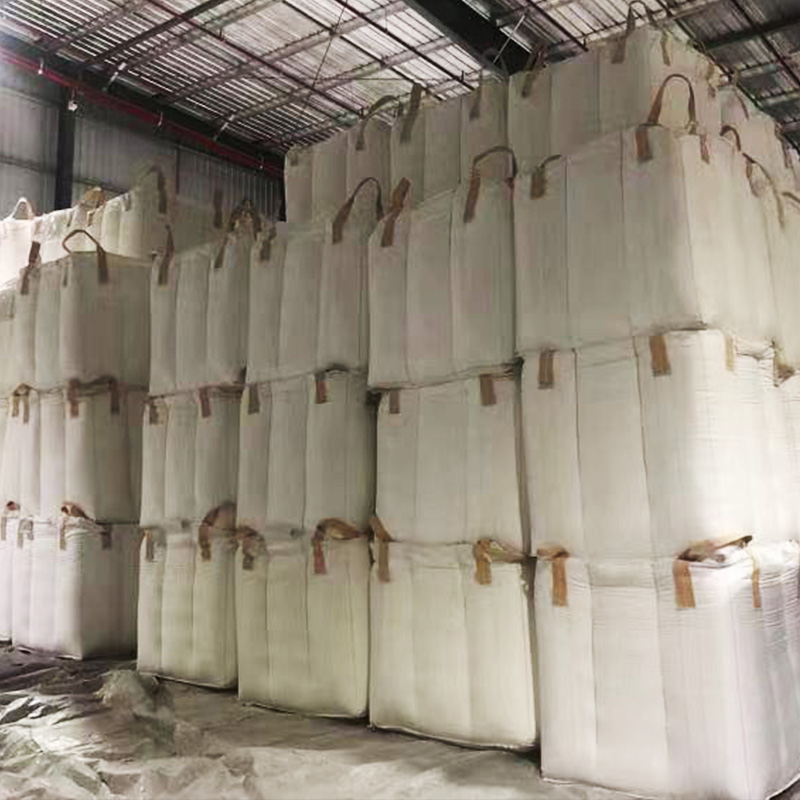
Handling bulk agricultural chemicals leaves zero room for error. When packaging fails on the warehouse floor or during transit, you face immediate safety hazards, severe regulatory fines, and ruined product. Standard bulk bags cannot handle hazardous, reactive, or combustible agricultural inputs. Facility managers and safety engineers must account for static electricity buildup, aggressive chemical degradation, and strict transport regulations. You also have to prevent cross-contamination with food-grade commodities stored in the same facility. This guide provides a technical framework for evaluating and sourcing the correct agricultural chemical FIBC bags. We will break down static control requirements, UN certification standards, and material specifications. Using this criteria ensures your packaging meets operational safety mandates, maintains regulatory compliance, and keeps your supply chain moving without interruption.
Static Control is Non-Negotiable: Combustible agricultural chemicals and dusty environments require strict adherence to Type C or Type D static-control specifications to prevent electrostatic ignition.
Mandatory Regulatory Compliance: Transporting hazardous agricultural chemicals mandates the use of UN certified FIBC bags that have passed rigorous physical stress testing.
Material Integrity Dictates Shelf Life: Selecting the correct internal liners and fabric coatings is critical to preventing moisture ingress, chemical degradation, and contamination.
Supplier Vetting is Risk Mitigation: Partnering with a certified FIBC packaging manufacturer with transparent batch-testing, cleanroom capabilities, and traceability protocols is required to ensure consistent bag performance.
The Unique Demands of Packaging Agricultural Chemicals
Problem Framing and Operational Stress
Bulk packaging must achieve absolute containment under extreme operational stress. Baseline expectations demand zero leakage during rapid filling cycles and high-velocity transport. The woven polypropylene fabric must maintain structural stability during prolonged warehouse stacking, often stacked three or four units high. Worker safety relies entirely on the bag's ability to isolate toxic contents from the external environment. Every seam, fabric panel, and lifting loop must endure dynamic loads without stretching or tearing. Forklift tines, rough wooden pallets, and sudden stops during transit exert massive kinetic force on the packaging. Success requires matching the physical architecture of the bag to the specific behavioral traits of the chemical payload.
Operational stress factors you must account for include:
High-velocity powder flow during hopper discharge, which creates severe abrasion on the inner fabric.
Dynamic shock loads during forklift transport over uneven warehouse floors.
Prolonged UV exposure during outdoor staging, which degrades untreated polymer chains.
Extreme temperature fluctuations inside shipping containers that cause internal condensation.
Chemical Compatibility and Degradation Risks
Many agricultural inputs react aggressively with standard packaging materials. Highly acidic compounds and caustic fertilizers degrade untreated polypropylene rapidly. Ammonium nitrate and urea, for example, are highly hygroscopic and will absorb ambient moisture, turning into solid, unusable blocks if the barrier fails. Volatile pesticides can permeate basic woven fabrics, releasing toxic fumes into storage facilities. This chemical interaction compromises the structural integrity of the bag, leading to sudden ruptures under load. Specialized barrier materials prevent this degradation. You must match the polymer composition of the bag to the specific chemical profile of the payload. Utilizing specialized resins and co-extruded films ensures the packaging withstands prolonged exposure to harsh agricultural compounds.
Cross-Contamination Prevention
Agricultural facilities often store diverse commodities in close proximity. You must isolate harsh chemicals from vulnerable products like animal feed, grains, and seeds. Even trace amounts of pesticide dust can ruin a food-grade harvest and trigger massive product recalls. Strict barrier properties are mandatory for shared storage environments. Zero-leakage designs prevent microscopic particulates from escaping into the facility atmosphere. Manufacturers utilize sift-proof seams to achieve this. By incorporating single or double filler cords along the stitch lines, the manufacturer blocks fine powders from migrating through the needle holes created during the sewing process.
The Threat of Electrostatic Discharge (ESD)
Rapid filling and discharging of dry chemicals generate massive amounts of static electricity through triboelectric charging. Friction between the flowing powder and the woven fabric creates a dangerous charge buildup on the packaging surface. Dust-heavy agricultural environments provide the perfect fuel for an explosion. A single electrostatic spark can ignite airborne particulate matter instantly, causing devastating facility fires. Managing this physical phenomenon requires engineered fabrics designed specifically for static dissipation. Understanding the minimum ignition energy (MIE) of your specific chemical dust dictates your selection of static-control packaging.
Static Control Specifications: Type C vs. Type D FIBC Bags
Solution Categories and Approaches
Static-control bulk bags fall into distinct technical categories based on how they manage electrical charges. Your choice depends heavily on your facility's grounding infrastructure and the specific hazards of your chemical products. Evaluating these options prevents catastrophic ignition events on the warehouse floor.
Static Control Bulk Bag Comparison
Feature
Type C FIBC Bags
Type D FIBC Bags
Discharge Mechanism
Conductive threads channel charge to ground
Dissipative yarns release charge into atmosphere
Grounding Required
Yes (Mandatory physical connection)
No (Operates independently)
Human Error Risk
High (Forgetting to ground causes explosions)
Low (No grounding steps required)
Environmental Constraint
Standard industrial environments
Requires surfaces free of conductive contaminants
Type C FIBC Bags (Conductive)
These bags feature a grid of interconnected conductive threads woven directly into the polypropylene fabric. The threads gather static charges generated during material movement. Type C FIBC bags mandate a strict operational requirement. Operators must physically connect the bag to a designated grounding point using an alligator clip before filling or discharging begins. This connection channels the electrical charge safely into the earth. However, human error presents a massive implementation risk. Failing to attach the ground wire creates an immediate explosive hazard. An ungrounded conductive bag acts as a massive capacitor, storing lethal amounts of energy that will eventually arc to a nearby grounded object, instantly igniting the surrounding dust cloud.
Type D FIBC Bags (Dissipative)
Engineers construct these bags using specialized antistatic fabrics. The material features quasi-conductive yarns that safely dissipate electrical charges directly into the atmosphere. This process occurs through low-energy corona discharge, breaking down the charge before it can form an incendiary spark. Type D FIBC bags offer a massive operational advantage. They require no physical grounding mechanism. This design eliminates the risk of human error entirely. Operators can work faster without managing grounding cables. However, trade-offs exist. The bag requires a clean environment to function properly. Conductive surface contaminants like water, grease, or oil will disrupt the dissipation process, trap the electrical charge, and compromise facility safety.
Why Types A and B are Disqualified
Standard Type A bags offer zero static protection and generate high levels of static electricity during powder flow. Type B bags feature a lower breakdown voltage to prevent propagating brush discharges, but they cannot dissipate static safely in highly explosive environments. Using either type for combustible agricultural chemicals is highly dangerous. They will inevitably cause spark ignitions in dusty environments and you must strictly avoid them when handling reactive agricultural inputs.
Regulatory Compliance: Navigating UN Certified FIBC Bags
Evaluation Dimensions and Legal Frameworks
Transporting hazardous agricultural materials involves strict legal frameworks governed by international bodies, including the Department of Transportation (DOT) and the International Maritime Dangerous Goods (IMDG) code. International transport authorities mandate specific packaging performance metrics to protect public safety and the environment. Compliance ensures your supply chain remains uninterrupted by regulatory seizures, fines, or rejected shipments at border crossings.
UN Testing Standards for Hazardous Materials
A bag must survive brutal physical stress testing at independent laboratories to earn certification. Laboratories subject the filled bags to high-altitude drop testing to simulate handling failures during loading. Tear testing measures the fabric's resistance to catastrophic ripping once punctured; technicians cut a 100mm slit in the fabric and apply the safe working load to ensure the tear does not propagate. Topple testing evaluates containment after a severe tip-over event from a specified height. Righting testing ensures the lifting loops survive being pulled from a compromised angle by a forklift. Stacking tests confirm the bags can withstand massive top-load pressure during extended warehouse storage, often requiring the bag to support the equivalent weight of several stacked units for 28 days at elevated temperatures. Passing these rigorous benchmarks yields UN certified FIBC bags.
Packing Groups and FIBC Weight Capacities
Chemical hazard levels dictate specific bag specifications and testing severity. Packing Group I represents high danger, Group II indicates medium danger, and Group III covers low danger materials. These classifications determine the required Safe Working Loads (SWL) and the specific drop heights required during testing. For example, Packing Group I requires a drop test from 1.8 meters, while Group III only requires a 0.8-meter drop. Volume limits typically range from 500 to 4,000 lbs. Higher hazard levels require thicker fabrics, reinforced construction techniques, and superior seam strength to guarantee absolute containment under duress.
Navigating Dual-Compliance Scenarios
Some agricultural inputs demand overlapping compliance frameworks. You may need to meet both UN hazardous standards for transport and FDA-compliant manufacturing standards for facility safety. This dual compliance protects the broader agricultural supply chain from toxic exposure. Cleanroom production prevents trace contaminants from entering the packaging before it even reaches your facility. This ensures your hazardous chemicals do not inadvertently contaminate food-grade processing lines later in the supply chain.
Labeling and Documentation
UN marking structures follow a rigid alphanumeric code printed directly on the bag. This code details the packaging type, material composition, packing group, testing year, and the authorizing country. Procurement teams must verify these markings against the manufacturer's official testing certificate. Missing, expired, or forged documentation leads to immediate cargo rejection at ports and weigh stations. Always demand current certification documents from an accredited third-party testing facility.
UN Marking Code Breakdown
Code Segment
Meaning
Example
Packaging Type
Identifies the container as a flexible intermediate bulk container
13 (FIBC)
Material Code
Identifies the fabric composition and coating status
H3 (Woven plastics, water-resistant)
Packing Group
Indicates the hazard level the bag is certified to carry
Z (Packing Group III only)
Testing Month/Year
Shows when the specific design passed laboratory testing
11/23 (November 2023)
Structural and Material Requirements for Chemical FIBC Bags
Mapping Features to Outcomes
Every structural feature must map directly to a chemical preservation outcome. The wrong seam type allows toxic dust to escape into the breathing zone of workers. The wrong liner causes hygroscopic powders to absorb ambient humidity and solidify into useless blocks. Engineering the right bag requires analyzing the specific physical state of your chemical product and the environmental conditions of your storage facility.
Moisture and Vapor Barriers
Extruded fabric coatings provide a basic barrier against dust and light moisture. They work well for stable granular materials. Inserted poly liners offer superior protection against aggressive vapor transmission. You must choose between form-fit liners, which match the exact shape of the bag to prevent folds and material trapping, or basic tube liners. Highly sensitive compounds require specialized aluminum foil or EVOH liners. These advanced barriers prevent off-gassing and block oxygen ingress. They also stop moisture-induced caking in fertilizer bulk bags. You must match the barrier technology to the chemical's specific atmospheric sensitivities to ensure maximum shelf life.
Safe Discharge Mechanisms
Emptying toxic chemicals presents peak exposure risks for facility workers. Bottom construction options dictate the safety of this process. Spout bottoms with specialized safety valves, such as B-lock closures or iris valves, allow operators to control the flow rate precisely and choke off the discharge mid-stream if necessary. Remote discharge mechanisms allow operators to untie the bag from a safe distance, keeping them out of the dust cloud. Petal closures protect the discharge spout from damage during transit and provide a secondary layer of containment. These features minimize airborne dust and prevent accidental chemical spills during hopper loading.
Safe Working Load (SWL) and Safety Factor (SF) Ratios
The safety factor defines a bag's ultimate tensile strength relative to its rated capacity. A 5:1 ratio indicates a single-trip bag. It will burst at five times its rated safe working load during laboratory testing. A 6:1 ratio designates a multi-trip bag. Hazardous chemicals generally require strict adherence to single-trip 5:1 bags. Reusing chemical bags introduces severe risks of invisible fabric fatigue and cross-contamination. Stresses from the initial transport degrade the polymer chains, making secondary use highly unpredictable and dangerous.
Sourcing and Supply Chain: Evaluating an FIBC Packaging Manufacturer
Overall Value Influencing Factors
Auditing potential suppliers requires looking far beyond raw unit costs. Cheap packaging often masks dangerous manufacturing shortcuts, such as using recycled resins or skipping UV inhibitor additives. A rigorous evaluation framework mitigates severe implementation risks and protects your operational continuity. You must verify the physical infrastructure of the manufacturing plant before placing an order.
Facility Certifications and Quality Control
Demand proof of ISO 9001 certifications for baseline quality management. Look for ISO 22000 or BRCGS standards to ensure agricultural supply chain safety. FDA-compliant cleanroom manufacturing is crucial. These controlled environments eliminate cross-contamination risks during the weaving and sewing processes. Positive air pressure, ultrasonic cutting equipment, and strict hygiene protocols keep foreign particulates, loose threads, and biological contaminants out of your packaging. Ultrasonic cutting is particularly important because it melts the fabric edges, preventing loose polypropylene fibers from falling into your chemical product.
Traceability and Batch Testing Protocols
A credible FIBC packaging manufacturer provides absolute lot traceability. Every bag must feature a unique tracking tag linking it to the specific resin batch, loom operator, and sewing line. You must receive documented proof of destructive testing for every production run. This transparency guarantees that the bags delivered match the physical properties of the approved prototype. Routine testing of fabric tensile strength, seam strength, and UV resistance ensures consistent performance across massive order volumes.
Customization and Lead Times
Ordering custom chemical FIBC bags involves strict operational realities. The process starts with detailed prototyping based on your operational data. Engineering teams finalize the technical data sheet (TDS) for your approval before mass production begins. Global shipping lead times require proactive inventory planning, often necessitating a 90-to-120-day forecasting window. Rushing this process leads to specification errors, skipped quality checks, and compromised safety on the warehouse floor.
Conclusion
Pull the Material Safety Data Sheet (MSDS) for every chemical in your facility to identify the Minimum Ignition Energy (MIE) and required Packing Group.
Audit your current filling and discharge stations to determine if physical grounding infrastructure exists to support Type C bags.
Specify your barrier requirements based on the hygroscopic properties of your product to select the correct liner material.
Request a formal Technical Data Sheet (TDS) and UN testing certificates from your shortlisted suppliers.
Order prototype bags for a trial run on your equipment before committing to a high-volume production order.
FAQ
Q: What makes fertilizer bulk bags different from standard agricultural grain bags?
A: Standard grain bags use simple breathable fabrics to prevent mold in seeds. Fertilizer bags require strict moisture barriers, chemical resistance, and often static control. Fertilizers are highly hygroscopic and corrosive, demanding coated fabrics or poly liners to prevent caking and fabric degradation.
Q: When are UN certified FIBC bags legally required?
A: They are legally required whenever you transport any material classified as hazardous by the DOT or international transport authorities. The specific chemical hazard class and packing group dictate the exact UN testing standards the bag must meet before legal transit.
Q: Can Type C FIBC bags be used without a grounding mechanism?
A: No. Using them without a physical grounding mechanism creates a severe explosive risk. Ungrounded conductive threads will accumulate massive static charges. This stored energy will eventually arc to a nearby grounded object, instantly igniting combustible agricultural dust.
Q: How do I choose between a coated bag and a poly liner for agricultural chemicals?
A: Choose a coated bag for granular chemicals that only require basic dust containment and light moisture resistance. Select an inserted poly liner when the chemical is highly sensitive to moisture, requires a hermetic seal, or produces aggressive vapors that permeate standard coatings.
Q: What is the standard safety factor (SF) for chemical FIBC bags?
A: The standard is a 5:1 safety factor, designating the bag for single-trip use only. Reusing chemical bags is highly discouraged due to the risks of invisible fabric fatigue, chemical degradation, and severe cross-contamination between different batches.
Q: How long can agricultural chemicals be stored in FIBC bags?
A: Storage time depends heavily on environmental conditions. Polypropylene degrades rapidly under direct sunlight. For outdoor or long-term agricultural storage, the bags must be manufactured with high-grade UV inhibitors to maintain structural integrity over several months.
Q: Do agricultural chemical bags need to be FDA-compliant?
A: While the chemicals are not food, FDA-compliant manufacturing environments are often required. This prevents cross-contamination at the manufacturing level, protecting agricultural facilities that process both harsh chemicals and food-grade crops or animal feed in shared spaces.