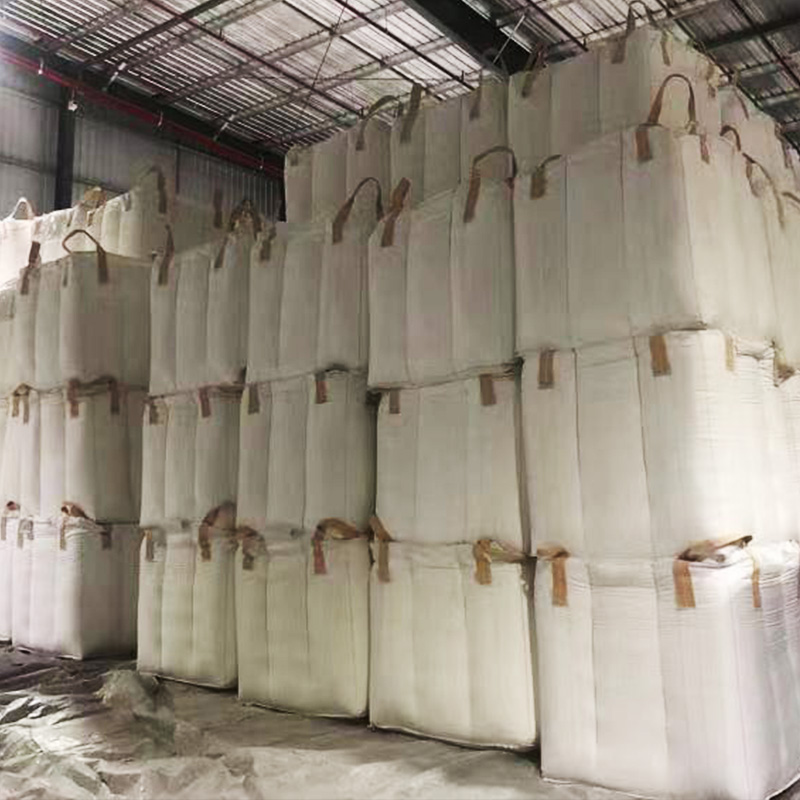
Transporting volatile powders, sensitive resins, and reactive additives leaves zero margin for error. Static discharge, contamination, or structural failure during chemical handling introduces severe operational risks. Specifying the wrong bulk packaging leads to combustible dust explosions, moisture-induced product degradation, rejected shipments, and non-compliance with UN/DOT hazardous materials regulations. Procurement and operations teams must evaluate, specify, and source chemical FIBC bags that align with strict safety standards, transport efficiency, and product purity requirements. This guide provides a definitive framework for selecting the exact packaging architecture required for complex chemical logistics. We will cover how to ensure absolute compliance and physical integrity during transit, protecting both your personnel and your product.
Key Takeaways
Static Hazard Mitigation is Non-Negotiable: Selecting the correct anti-static classification (Type A, B, C, or D) and pairing it with the correct liner classification (L1, L2, L3) is the most critical decision for preventing catastrophic electrostatic discharges in chemical powder environments.
Structural Efficiency Drives ROI: Utilizing specialized designs, such as a baffle bag for chemical transport, maximizes container space, reduces shipping costs, and ensures warehouse stability.
Purity Requires Custom Liners and Sift-Proofing: Hygroscopic resins, ultra-fine additives, and sensitive chemicals demand specific barrier liners (e.g., PE, foil) and sift-resistant seam designs to prevent moisture ingress, product leakage, and cross-contamination.
Supplier Vetting Dictates Reliability: Partnering with a certified chemical bag supplier ensures consistent adherence to ISO standards, cleanroom manufacturing, and verifiable electrostatic testing protocols.
Success Criteria for Chemical Bulk Packaging
Before any packaging solution enters a chemical facility, it must meet rigorous baseline requirements. Standard industrial bags fail under the stress of hazardous chemical transport. A proper chemical container must address regulatory compliance, electrostatic hazard mitigation, sift-proofing, and atmospheric control simultaneously. You cannot cut corners when handling reactive materials.
Regulatory Compliance and UN Certification
Hazardous materials demand UN-certified packaging. Regulatory bodies mandate strict testing protocols to ensure containers survive extreme transport conditions. Bags must pass specific physical trials to qualify for Packing Groups II (medium danger) and III (minor danger). Without these certifications, transporting hazardous chemicals violates international law and invites massive fines.
The testing sequence for UN certification includes:
Top Lift Test: The bag is loaded to six times its maximum capacity and suspended for five minutes to verify loop strength.
Drop Test: The fully loaded bag is dropped from specific heights (up to 1.2 meters for Packing Group II) to ensure the fabric and seams do not rupture upon impact.
Topple Test: The bag is tipped over from a specified height to simulate a load shifting and falling during transit.
Righting Test: A toppled bag is lifted by one or two loops to an upright position to check for tear resistance.
Tear Test: A 100mm cut is made in the side of the loaded bag, and a superimposed load is applied to ensure the tear does not propagate.
Stacking Test: The bag is subjected to a top load simulating the weight of multiple bags stacked on top of it for 24 hours.
Understanding UN Marking Codes helps you match transport classifications with the correct chemical bulk bags. These codes dictate the structural composition of the container.
Highly sensitive, hygroscopic powders demanding maximum protection
Hazard Mitigation (Combustible Dusts)
Chemical powders generate static electricity during filling and discharge. The friction of particles rubbing against each other and the bag fabric creates a charge. The Minimum Ignition Energy (MIE) threshold of a specific chemical powder dictates the required electrostatic safety class of the bag. Powders with low MIE ignite easily from minor static sparks. Facility operators must map the MIE of their products to the correct FIBC classification to prevent deflagration. For example, handling titanium dioxide requires different static controls than handling highly reactive aluminum powder.
Sift-Proofing for Fine Powders
Ultra-fine chemical powders easily escape through standard woven seams. Sift-resistant seams are mandatory for these materials. Manufacturers utilize felt strips, filler cords, or triple-seam configurations to block the microscopic gaps between woven tapes and sewing threads. This prevents product loss, protects workers from airborne exposure, and eliminates cross-contamination during transit. When you load carbon black, even a microscopic seam gap will result in a massive facility mess and lost product.
Product Purity and Moisture Control
Hygroscopic chemicals absorb ambient moisture, leading to caking, degradation, or dangerous chemical reactions. Strict atmospheric barriers are required. The packaging must prevent moisture ingress and oxygen exposure. This involves selecting specific fabric coatings and internal liners designed to maintain the exact atmospheric conditions required by the chemical payload. You must match the barrier properties to the specific chemical compound.
Evaluating Anti-Static Capabilities: Type A, B, C, and D Bags
Electrostatic discharge presents the highest acute risk in chemical powder handling. The global standard IEC 61340-4-4 defines four FIBC classifications based on electrostatic properties. Selecting the correct type prevents explosions and protects your workforce.
The Limitations of Type A
Type A bags consist of standard woven polypropylene. They offer zero static protection. These bags are strictly prohibited for combustible materials or environments containing flammable gases. If a powder has an MIE greater than 1000 mJ and the environment is completely free of flammable solvents, Type A might be permissible. It remains a high-risk choice for most chemical applications. We rarely recommend Type A for any chemical processing facility due to the inherent risks of static buildup during rapid discharge.
When to Specify a Type B Anti-Static Bag
A Type B anti-static bag prevents propagating brush discharges. These bags feature a breakdown voltage of less than 6 kV. They are engineered for dry, combustible powders in environments entirely free of flammable solvents or gases. If the chemical powder has an MIE greater than 3 mJ, Type B provides adequate safety, provided the surrounding atmosphere remains non-flammable. The low breakdown voltage ensures that any static discharge that does occur is too weak to ignite the powder dust cloud.
Type C (Conductive) vs. Type D (Dissipative)
Type C bags require strict physical grounding during the entire fill and discharge process. They utilize interwoven conductive threads connected to designated grounding tabs. The resistance to ground must remain below 10^7 ohms. If the ground connection fails, the bag becomes a massive capacitor, creating a catastrophic explosion risk. Operators must manually attach grounding clips before any material flows. This introduces a significant human-error variable into your safety protocols.
Type D bags utilize quasi-conductive yarns that safely dissipate static into the atmosphere via corona discharge. They do not require a physical ground connection. This eliminates the human-error risk associated with ungrounded Type C bags. While Type D bags often carry a higher unit cost, they provide superior passive safety in fast-paced chemical facilities. The fabric continuously bleeds off the static charge into the surrounding air, keeping the surface potential well below ignition thresholds.
Critical Liner Compatibility (The L1/L2/L3 Trap)
Inserting a standard, non-conductive liner into a Type C or Type D bag neutralizes the bag's safety features. The liner insulates the charge, allowing static to build up internally despite the conductive outer fabric. Buyers must specify Type L1 (conductive), Type L2 (static dissipative), or Type L3 (standard low-voltage) liners to match the outer bag's classification and prevent internal static accumulation. Failing to match the liner to the bag type is a common and dangerous procurement mistake.
Structural Design and Transport Optimization
Bag construction directly impacts logistics efficiency, warehouse safety, and mechanical handling. Optimizing structural design reduces freight costs and prevents handling accidents on the facility floor.
The Role of the Baffle Bag for Chemical Transport
Standard bulk bags bulge into a cylindrical shape when filled. A Baffle bag for chemical transport utilizes internal baffles—netting or fabric corner panels—to maintain a rigid, square shape. This prevents the "belly" effect that plagues standard bags.
This square footprint delivers massive logistics value. Facilities can fit up to 30% more product into a standard shipping container. The rigid shape also dramatically improves stacking stability in warehouses, reducing the risk of toppling accidents. When you stack bags three high, that structural rigidity prevents the bottom bag from collapsing under the weight.
Lift Loop Configurations for Heavy Chemicals
Chemical loads are dense and heavy. Lift loop failure is not an option. Cross-corner loops, side-seam loops, and tunnel loops offer different handling profiles. Chemical plants typically require heavy-duty cross-corner or stevedore straps. These configurations ensure safe crane and forklift handling, keeping the loops accessible and distributing the heavy load evenly across the bag's seams. Stevedore straps allow a forklift operator to pick up the bag with a single tine, speeding up loading operations.
Fill and Discharge Mechanisms
Top and bottom construction must match the flowability of the chemical and the facility's dust-control requirements. Spout tops integrate directly with filling equipment to minimize airborne dust. Duffle tops allow for rapid filling of less sensitive materials. For discharging, a spout bottom with a petal closure provides controlled release, while flat bottoms are used for single-use applications where the bag is slashed open over a hopper.
Safe Working Load (SWL) and Safety Factor (SF)
Industry standards dictate strict load capacities. The Safe Working Load (SWL) specifies the maximum weight the bag can hold. The Safety Factor (SF) indicates the bag's burst strength. Chemical applications require a 5:1 SF for single-trip (disposable) bags and a 6:1 SF for multi-trip (reusable) bags. Adhering to these ratios prevents catastrophic structural failure during lifting. A 1,000 kg bag with a 5:1 SF must withstand 5,000 kg of force before breaking during laboratory testing.
Contamination Control: Liners and Coating Options
Internal barriers maintain chemical integrity, protect against ambient humidity, and prevent product loss. The choice between coatings and independent liners depends entirely on the chemical's sensitivity to environmental factors.
Coated vs. Uncoated Fabrics
A simple lamination or coating applied to the woven polypropylene provides basic dust control. It seals the micro-gaps in the weave. Coatings fall short for strict moisture protection. They do not provide a hermetic seal. If the chemical is highly sensitive to humidity, a coating alone will fail to protect the payload. Coatings are suitable for coarse, non-reactive granules, but not for fine, hygroscopic powders.
Polyethylene (PE) and Foil Liners
For true atmospheric control, independent liners are mandatory. Form-fit liners match the exact shape of the bag, preventing folds that trap product. Tubular liners offer a cost-effective alternative for simpler applications. Baffled liners combine moisture protection with the space-saving benefits of a baffle bag.
Oxygen and moisture vapor transmission rates (MVTR) dictate liner material selection. Standard PE liners handle basic moisture barriers. Aluminum foil liners provide the lowest possible MVTR, making them essential for highly sensitive chemical additives and hygroscopic resins that degrade upon contact with ambient air. Foil liners block UV light, oxygen, and moisture completely.
Attachment Methods
Liners must remain secure during discharge. Loosely inserted liners often pull through the discharge spout, causing blockages and operational delays. Glued liners offer better stability. Tabbed liners, sewn directly into the eight corners of the outer bag, provide the highest security, ensuring the liner stays firmly in place while the heavy chemical powder flows out. Tabbed liners prevent the liner from choking the discharge equipment.
Vetting a Chemical Bag Supplier: Evaluation Dimensions
Auditing potential manufacturing partners requires looking far beyond the unit price. A reliable chemical bag supplier must demonstrate strict quality control, testing capabilities, and supply chain stability. You are trusting them with your facility's safety.
Quality Management and Cleanroom Certifications
Verify ISO 9001 certifications for baseline quality management. If food-grade chemical additives are involved, ISO 22000 is mandatory. Cleanroom manufacturing standards, such as ISO Class 7 or 8 environments, are critical. These controlled environments ensure zero foreign contaminants, loose fibers, or stray dust enter the packaging during production. A single stray thread can contaminate an entire batch of high-purity chemical resin.
In-House Electrostatic and Structural Testing
Relying solely on third-party periodic testing is insufficient. A qualified supplier maintains robust in-house testing facilities. They must possess the equipment to measure breakdown voltage, surface resistivity, UV resistance, tensile strength, and static dissipation on every production batch. This guarantees compliance before the bags ever leave the manufacturing floor. Ask to see their testing logs and calibration certificates for their laboratory equipment.
Supply Chain Resilience
Chemical operations cannot halt due to packaging shortages. Evaluate the supplier's manufacturing redundancy. Assess their raw material sourcing stability, specifically for polypropylene resin. Review their historical lead times and their capacity to hold safety stock for your critical chemical operations. A resilient supplier acts as a buffer against global supply chain disruptions, ensuring you always have the packaging you need to ship your product.
Conclusion
Conduct a comprehensive packaging audit of your current chemical transport methods to identify static control vulnerabilities.
Request technical specification sheets and verifiable testing data from your shortlisted manufacturing partners.
Order sample bags to perform rigorous operational testing within your specific filling and discharge environment.
Implement a strict inspection protocol for incoming packaging to verify UN markings and liner compatibility before use.
FAQ
Q: What is the difference between chemical bulk bags and standard FIBCs?
A: Chemical bags require specific safety factors (5:1 or 6:1), advanced anti-static properties (Type B, C, D), sift-proofing for fine powders, and strict UN certifications for hazardous materials. Standard FIBCs used for agriculture or construction lack these rigorous safety and atmospheric control features.
Q: When is a Type B anti-static bag required?
A: It is required for combustible powders with a Minimum Ignition Energy (MIE) greater than 3 mJ, provided the surrounding environment is completely free of flammable vapors or gases. The bag's fabric must maintain a breakdown voltage of less than 6 kV to prevent propagating brush discharges.
Q: How does a baffle bag for chemical transport reduce shipping costs?
A: Internal baffles force the bag to maintain a rigid, square shape when filled. This square-foot optimization eliminates wasted space in ISO shipping containers and standard truck trailers, maximizing payload capacity and significantly minimizing freight costs per kilogram of product.
Q: Are chemical FIBC bags reusable?
A: Bags rated with a 6:1 Safety Factor are designed for multi-trip use. Chemical reuse requires strict inspection, tracking, and professional cleaning protocols to prevent cross-contamination and structural fatigue. Bags with a 5:1 Safety Factor are strictly single-trip and must be disposed of after one use.
Q: What UN certifications are required for hazardous chemical powders?
A: Hazardous FIBCs must pass rigorous UN drop, tear, stack, and topple tests. They are classified for Packing Group II (medium danger) or Packing Group III (minor danger). The specific UN Marking Code maps to the structural requirements for containing specific hazard classes.
Q: Do chemical bags require internal liners?
A: It depends on the chemical. Hygroscopic resins and sensitive additives require liners for moisture and oxygen barriers. If the outer bag is anti-static (Type C or D), the internal liner must also be electrostatic-safe (Type L1 or L2) to prevent dangerous internal static accumulation.
Q: How do I qualify a new chemical bag supplier?
A: Require third-party audit reports and cleanroom verification (ISO Class 7 or 8). Demand verifiable electrostatic testing data, such as IEC 61340 compliance certificates, for their specific fabric batches. Ensure they have rigorous batch traceability protocols and in-house testing equipment for tensile strength and breakdown voltage.