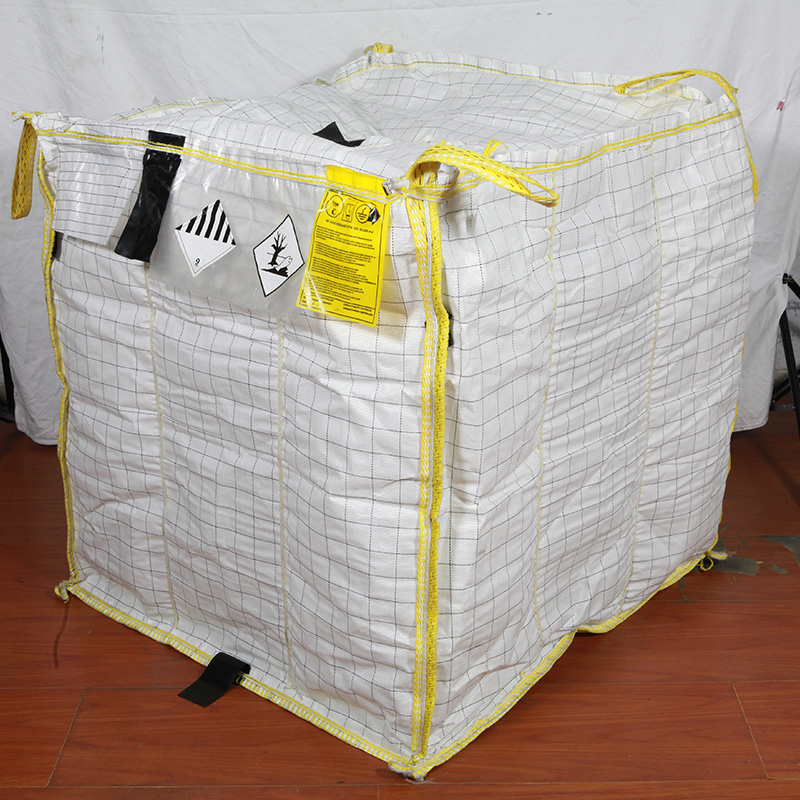
Moisture ingress goes beyond being a simple physical nuisance. It represents a direct threat to profit margins, product efficacy, and stringent compliance standards. Unchecked humidity triggers catastrophic clumping, rapid spoilage, and irreversible chemical degradation. You must address this vulnerability to protect your operational efficiency. Standard woven polypropylene is inherently porous by design. It allows essential airflow but unfortunately invites ambient humidity. Protecting sensitive dry bulk goods requires deliberate engineering combined with strict operational alignment. Without these critical measures, environmental moisture easily infiltrates your supply chain and compromises valuable shipments. Every touchpoint from the manufacturing floor to the receiving dock introduces potential environmental risks.
This guide provides procurement and operations teams with a transparent, vendor-neutral framework for evaluating anti-humidity solutions. We explore everything from detailed bag engineering specifications to rigorous warehouse best practices. You will learn how to select the right internal barriers, implement safer handling protocols, and safeguard your materials against unpredictable environmental shifts. Following this framework ensures maximum product integrity.
Key Takeaways
Standard FIBCs are breathable; preventing moisture requires engineered barriers like liners or lamination.
There is a critical operational distinction between "moisture-resistant" and "waterproof."
Choosing the right barrier depends heavily on the product type (e.g., highly hygroscopic powders need foil liners, not just basic lamination).
Even the highest-spec bag will fail if facility storage and handling practices ignore environmental humidity and temperature shifts.
The Financial and Operational Risks of Moisture Ingress
Water vapor quietly destroys valuable dry goods. Moisture compromises structural integrity and destroys chemical stability. Let us look closely at specific industrial scenarios. In chemical processing, unwanted moisture triggers dangerous exothermic reactions. It causes active ingredients to crystallize or degrade prematurely. This degradation renders entire batches useless and forces costly disposal procedures. Operators face massive financial penalties when highly refined compounds absorb ambient water.
In the food and agriculture sectors, dampness promotes rapid mold growth. It introduces severe microbial contamination risks into the human food chain. Powders like flour, sugar, or whey lose flowability and form massive clumps. This clumping halts production lines and blocks automated discharge equipment. Workers must manually intervene, which dramatically increases labor costs and safety risks on the facility floor.
Failing to control moisture invites strict regulatory penalties. Compromised shipments face immediate rejection at receiving docks. These rejections frequently violate strict FDA mandates or rigorous industrial safety standards. Supply chains cannot absorb these sudden, preventable losses. Proper moisture control ensures strict compliance across international borders. It protects product viability from the original manufacturing plant down to the final end user. You must view moisture control as a critical risk management strategy.
Technical Reality: "Moisture-Resistant" vs. "Waterproof" FIBCS
Many professionals misunderstand the actual capabilities of standard woven packaging. Explicitly speaking, standard woven polypropylene bags are never fully waterproof. You should avoid exaggerated industry claims promising complete waterproofing without specialized internal liners. The weaving process naturally creates intersecting tapes. These intersections inherently leave microscopic gaps where liquid and vapor easily penetrate over time.
Moisture resistance usually refers to extrusion lamination or surface coating. Manufacturers apply a thin resin layer over the woven fabric. This coating successfully repels ambient humidity and light surface condensation. It helps maintain the internal climate during short transits. However, it absolutely cannot protect goods against standing water, heavy rain, or prolonged exposure to severe dampness.
True water barriers require complete physical isolation. Achieving this isolation demands sealed, continuous internal liners. It also requires specialized seam construction to block dangerous capillary action. When evaluating options for your FIBCS, assess your actual transit and storage conditions meticulously. Direct your procurement team to avoid over-specifying waterproof features if basic moisture-resistant attributes will suffice. Matching the technical solution to your real environment optimizes both safety parameters and your overall packaging logistics. Over-engineering simply wastes resources, while under-engineering destroys your product.
Structural Solutions: Engineering the Right FIBC Bulk Bags
Engineers design specific structural elements to combat environmental humidity effectively. You must build your FIBC Bulk Bags with the correct barrier technology. Let us explore the primary structural solutions available in the market today.
Extruded Lamination (Coated Bags)
Extruded lamination involves a highly specialized manufacturing process. Facilities apply a thin, molten layer of polypropylene resin directly to the inside or outside of the fabric weave. This heating and pressing process physically seals the fabric. It works exceptionally well for keeping ultra-fine powders from sifting out. Lamination provides a robust baseline defense against ambient warehouse humidity. It prevents sudden moisture spikes from ruining stable materials. However, it remains a moisture-resistant solution rather than a genuinely waterproof one. You must recognize its operational limitations.
Internal Liners (The Ultimate Barrier)
Internal liners provide the highest possible level of moisture isolation. Polyethylene (PE) liners represent the industry standard worldwide. They serve perfectly as a reliable baseline Food Grade Bag component. They also handle general industrial chemical applications very well. You can order liners loosely inserted or fully attached via secure tabbing. Attached liners prevent frustrating twisting and bunching during automated discharge.
Foil liners remain absolutely essential for highly hygroscopic materials. They offer the lowest measurable Moisture Vapor Transmission Rate (MVTR). A barrier foil or nylon blend is ideal for a highly specialized Chemical Bag. These robust multi-layer materials protect sensitive chemical compounds from moisture, oxygen, and UV degradation simultaneously. They act as an impenetrable vault for volatile ingredients.
Construction Details
Barrier films alone cannot solve every environmental problem. Standard seams often serve as hidden entry points for aggressive water vapor. Needles punch tiny holes directly through the protective layers during manufacturing. Sift-proof seams incorporate thick filler cords to plug these needle holes completely. Specialized tie-offs block environmental air entirely at the opening. Using a swan neck tying method at the fill and discharge spouts creates a tight, folded seal. This technique prevents moisture entry points during extended, multi-month storage phases. You must secure every single physical vulnerability.
Implementation Realities: Safe Handling and Storage Best Practices
A highly engineered bag becomes completely useless if handled poorly. Operational protocols matter just as much as physical material barriers. We must prioritize environmental control at every single logistical stage.
Warehouse environments ultimately dictate long-term storage success. You must enforce strict climate control requirements across your facilities. Always store bags safely away from direct sunlight. Ultraviolet rays rapidly degrade woven polypropylene tapes. Sunlight also heats the external material, causing destructive internal condensation inside the liner. This temperature differential ruins powders quickly.
Ground isolation represents an absolute operational necessity. You must store bags securely on clean, dry, wooden or plastic pallets. Direct physical contact with cold concrete floors initiates capillary action immediately. This physical process wicks ground moisture upward directly into the fabric. The bottom layers of your product will solidify or mold within days if left unprotected.
Transit introduces extreme, unpredictable temperature fluctuations. Moving goods via long ocean freight or cross-country truck often causes "container rain." Warm, humid air condenses aggressively on cool metal container walls. This moisture then drips directly onto your vulnerable cargo. You must actively combat this physical phenomenon. Deploy specialized hanging desiccants. Place these desiccants directly inside the shipping container alongside your packages.
To maintain structural and product integrity, consider these crucial best practices and common operational mistakes to avoid:
Never leave loaded packages outside on damp asphalt or exposed soil.
Always seal the top spout completely after conducting a partial discharge.
Avoid stacking materials tightly against cold, uninsulated external warehouse walls.
Monitor daily temperature swings inside poorly ventilated or uninsulated shipping containers.
Decision Framework: Shortlisting the Right Solution
Selecting the optimal moisture barrier requires careful, methodical evaluation. You must weigh several competing physical and logistical factors. We recommend using a structured evaluation matrix. This approach clarifies your operational priorities and prevents subjective purchasing errors.
| | Moisture Barrier Evaluation Matrix |
Evaluation Criteria | Low Sensitivity Requirements | High Sensitivity Requirements |
Product Sensitivity | Slightly sensitive to minor clumping. Material can easily be re-milled or processed without loss. | Completely ruined by a 1% moisture increase. Material requires immediate disposal if compromised. |
Operational Risk Profile | Lamination covers basic humidity defense adequately for short, controlled transit. | Foil liners act as crucial insurance against total cargo loss and chemical degradation. |
Supply Chain Environment | Moves strictly dock-to-dock entirely inside climate-controlled trailers and dry facilities. | Sits in a highly humid port facility or faces long, fluctuating ocean transits. |
After establishing your matrix, decide on specific next-step actions. Procurement teams must demand objective, scientific evidence from their vendors. Request actual MVTR data sheets directly from your manufacturers. Analyze these technical specifications carefully against your product requirements.
Next, always conduct small-scale, real-world pilot tests. Ship a few trial units through your most humid, difficult transit routes. Validate the barrier performance before ordering massive, full-container loads. This calculated, step-by-step approach prevents disastrous systemic failures. It guarantees your protective packaging actually performs exactly as engineered under real environmental stress.
Conclusion
Preventing moisture ingress requires a strict, two-pronged operational approach. You must specify the precise bag engineering, including high-quality liners and specialized coatings. You must also enforce rigorous handling protocols across your entire supply chain. Relying on just one element leaves your operations heavily vulnerable to failure. Standard packaging materials simply cannot guarantee complete protection against harsh weather environments. Proper barrier selection eliminates unnecessary waste, reduces operational headaches, and ensures long-lasting product viability.
Consider implementing these concise, action-oriented next steps:
Conduct a facility audit of your current bulk packaging to identify hidden moisture vulnerabilities.
Match your internal liner specifications strictly to your product's known hygroscopic properties.
Upgrade your warehouse palletizing protocols to eliminate all direct concrete floor contact.
Implement container desiccants systematically for all long-haul ocean or cross-country truck shipments.
We strongly encourage you to consult directly with certified packaging specialists. Request a comprehensive facility audit today to uncover hidden risks. Taking proactive, calculated steps now secures your product integrity and definitively protects your future shipments.
FAQ
Q: Are standard FIBC bulk bags waterproof?
A: No. Standard woven polypropylene naturally allows air and moisture to pass through microscopic gaps in the weave. Achieving true waterproofing requires integrating specific continuous liners and utilizing specialized seam sealing techniques.
Q: Can you store filled FIBCs outside in the rain?
A: We strongly discourage this practice, even when utilizing heavily coated bags or thick liners. Prolonged UV exposure rapidly degrades the woven fabric. Standing rainwater can eventually seep through spout closures or vulnerable stitched seams.
Q: What is the best liner for a highly hygroscopic Chemical Bag?
A: Aluminum foil liners or specialized multi-layer barrier laminates consistently offer the highest level of protection. They provide an exceptionally low moisture vapor transmission rate to block ambient humidity entirely.
Q: How do you prevent moisture from entering through the bottom of the bag?
A: Utilize flat-bottom designs combined with secure internal liners. Ensure proper discharge spout closure, such as reliable petal closures. Always store your units elevated on clean, dry pallets to stop capillary action.