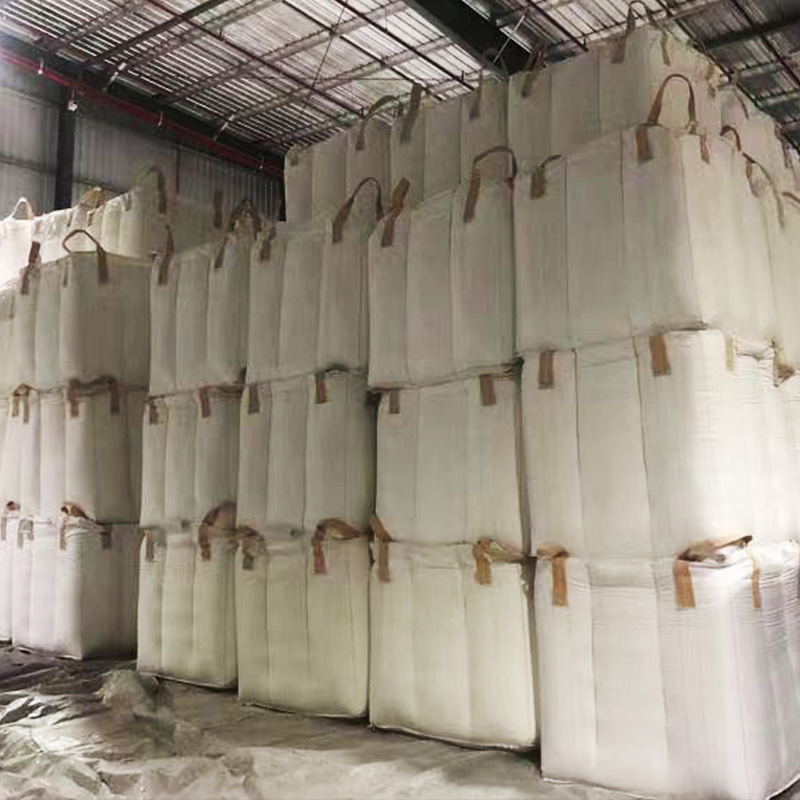
Understanding the exact variables that dictate a FIBC bag price helps optimize procurement and ensure operational safety. Buyers often encounter significant variance in quotes when sourcing flexible intermediate bulk containers. Selecting bags based solely on the lowest initial estimate frequently leads to hidden operational expenses, including product loss, safety hazards, or compliance failures during transport and storage. Comparing quotes accurately requires looking past the bottom-line number. You must examine the structural and material components of the bag itself. Every specification plays a direct role in the final calculation. This includes the weight of the woven polypropylene fabric, specialized liners, and safety certifications. This guide deconstructs the exact cost drivers of bulk bags. We cover raw resin fluctuations, UV additives, and advanced structural designs. You will gain a comprehensive framework to evaluate supplier estimates and maximize overall value on the warehouse floor.
Commodity Baseline: Base pricing is heavily dictated by global polypropylene (PP) resin costs, fabric weight (GSM), UV inhibitor levels, and manufacturing labor rates.
Customization Drives Cost: Structural additions like baffles, specialized liners, custom colors, and specific top/bottom configurations incrementally increase the unit price but often reduce shipping and handling costs.
Compliance is a Premium: Specialized safety requirements, such as those for conductive FIBC bags or UN certified bulk bags, require rigorous testing and premium materials, raising the initial price point.
Operational Economics: Freight density, reusability (Safety Factor 6:1 vs. 5:1), and the transition from small packaging to bulk bags matter more to the bottom line than the raw unit cost of the bag itself.
Baseline Economics: The Foundation of FIBC Bag Costs
The fundamental cost of any bulk bag begins with its raw materials and the baseline engineering required to meet standard safe working loads. Before any custom features are added, the core construction dictates the primary financial baseline. Understanding how these base materials are processed provides clarity on why quotes fluctuate throughout the year.
Raw Material Costs and Polypropylene Resin
Flexible intermediate bulk containers are primarily manufactured from woven polypropylene (PP), a petroleum-based thermoplastic polymer. Because the core material is derived from petroleum, the baseline manufacturing cost is inherently tied to global oil and resin market fluctuations. When crude oil indices rise, the cost of extruding PP resin into woven tapes increases accordingly. Manufacturers purchase raw PP pellets in massive quantities, melt them down, and extrude them into thin sheets. These sheets are then slit into individual tapes and stretched over heated rollers to align the polymer chains, giving the tapes their immense tensile strength.
The purity of the resin also plays a critical role in the final product. High-quality bulk bags rely on virgin polypropylene resin to ensure maximum structural integrity. Blending recycled resin into the extrusion process lowers the initial manufacturing expense, but it significantly compromises the load-bearing capacity of the fabric. Reputable manufacturers strictly control resin purity to prevent catastrophic bag failures during lifting and transit. If a supplier offers a quote that seems impossibly low, they are likely cutting the virgin resin with high percentages of recycled material.
Fabric Weight (GSM) and Safe Working Load (SWL)
The amount of raw material required for a bag is measured in Grams per Square Meter (GSM). This metric directly correlates to the thickness and strength of the woven fabric. A higher GSM means more polypropylene is consumed during weaving on the circular looms. The warp (vertical) and weft (horizontal) tapes are woven tighter and thicker, resulting in a heavier, stronger, and inherently more expensive fabric panel.
The required GSM is dictated by the bag's Safe Working Load (SWL). A bag engineered to hold heavy, dense materials like steel shot or wet sand requires a much denser weave than one designed for lighter agricultural products like oats or coffee beans. The physical dimensions of the bag combined with its target SWL dictate the total fabric yield required per unit. This fabric yield forms the most substantial portion of the baseline cost calculation.
UV Inhibitor Additives
Polypropylene naturally degrades when exposed to the ultraviolet radiation present in sunlight. The polymer chains break down, causing the fabric to become brittle and chalky. To prevent the fabric from failing, UV inhibitor additives are blended into the resin during the initial extrusion phase. These additives absorb or reflect the UV rays, protecting the structural integrity of the plastic.
The percentage and quality of these UV stabilizers directly impact the longevity of the bag and its manufacturing cost. Skimping on UV additives is a common tactic used by substandard suppliers to artificially lower quotes. Reducing UV protection presents a severe risk for any operation that stores bulk bags outdoors or in areas with high sunlight exposure. A bag left on a construction site for three weeks without proper UV stabilization can easily burst when lifted by a crane.
Safety Factor (SF) Ratings
The Safety Factor (SF) rating indicates the multiplier of the bag's SWL that it can withstand before failing during standardized laboratory testing. This rating dictates whether a bag is suitable for a single trip or multiple trips, which influences the amount of material and reinforcement required.
SF 5:1 (Single-Trip): Designed to withstand five times its rated SWL. These are standard, cost-effective bags intended for one-time use before disposal or recycling. They utilize standard GSM fabric and basic sewing patterns.
SF 6:1 (Multi-Trip): Engineered to withstand six times its rated SWL. These bags require heavier GSM fabric, reinforced lifting loops, and more robust sewing techniques. They require a higher initial investment but offer extended usability for closed-loop supply chains.
Structural and Design Customizations
Beyond the baseline fabric, the physical construction and functional design of the bag introduce varying degrees of manufacturing complexity. Each structural modification requires specific machinery setups, additional fabric cuts, and specialized sewing labor on the production floor.
Standard vs. Baffle FIBC Bag Construction
A standard tubular or U-panel bag naturally bulges into a cylindrical shape when filled with flowable materials. This bulging creates the "elephant foot" effect, causing the bag to overhang the edges of a standard pallet. To counteract this, manufacturers produce the baffle FIBC bag. This design incorporates internal fabric panels sewn across the corners of the bag. These baffles feature die-cut holes that allow the product to flow evenly into the corners during filling.
Manufacturing a baffled bag requires significantly more fabric and intricate sewing labor, which increases the unit cost. The internal baffles ensure the bag maintains a strict square footprint when fully loaded. This square shape maximizes pallet space, allows for stable stacking in warehouses, and optimizes trailer or shipping container volume. Operations shipping lightweight, high-volume powders frequently use baffled bags to maximize their freight density.
Top and Bottom Configurations
The methods used to fill and discharge materials dictate the complexity of the bag's top and bottom panels. A standard open-top and flat-bottom bag is the easiest and most economical to produce. It requires minimal cutting and straight-line sewing.
Specialized closures demand more material and manual assembly. Duffle tops (skirt tops) require a large perimeter of lighter fabric and tie-strings to secure the load. Spout tops and discharge spouts require precision cutting, reinforced stitching, and tying mechanisms like petal closures or star-cut valves to control the flow of fine powders. Operators working with automated filling hoppers require specific spout diameters and lengths, adding custom tailoring to the manufacturing process. The more complex the filling and discharging mechanism, the higher the labor and material input.
Liners and Coatings
When transporting fine powders, hygroscopic materials, or food products, moisture protection and sift-proofing become mandatory. Woven polypropylene naturally has microscopic gaps between the tapes. Manufacturers offer two primary solutions to seal these gaps, each with distinct cost implications.
Lamination (Coating): A thin layer of molten polypropylene is applied directly to the woven fabric during manufacturing. This seals the gaps between the woven tapes, preventing fine dust from sifting out. Lamination is a highly cost-effective method for basic sift-proofing and light moisture resistance.
Polyethylene (PE) Liners: For absolute moisture barriers and oxygen control, separate PE or foil liners are inserted into the bag. The cost of these liners depends on their thickness (measured in mils), material composition, and how they are attached. Liners that are loosely inserted are less expensive. Liners that are tabbed or glued to the internal seams of the outer bag prevent shifting during discharge, but require intensive manual labor to install.
Fabric Color, Printing, and Branding
Standard white fabric is the most economical baseline because it requires no additional colorants during the resin extrusion process. Introducing custom fabric colors or color-coded lifting loops for product identification requires specific pigments. The manufacturer must purge the extrusion lines and run dedicated colored batches, which increases the material cost and machine downtime.
Printing company logos, handling instructions, or hazard warnings onto the bag panels also adds to the final quote. Multi-color printing requires the creation of custom printing plates (stereos), specialized inks, and additional passes through the flexographic printing machinery. The complexity of the artwork and the number of printed sides directly correlate with the printing surcharge.
Specialized Applications and Compliance
Industries handling hazardous materials, sensitive chemicals, or consumable goods require bulk bags that meet stringent regulatory and safety standards. Achieving these certifications demands premium materials, controlled manufacturing environments, and rigorous third-party testing protocols.
Static Control
Handling fine, combustible powders or operating in environments with flammable vapors requires specialized static control. As powders flow through the polypropylene fabric during discharge, they generate static electricity. Standard woven polypropylene (Type A) offers no static protection. Upgrading to static-controlled bags introduces distinct manufacturing requirements.
Type B bags utilize low-breakdown voltage fabric to prevent propagating brush discharges, requiring specific lamination techniques. The highest levels of protection are found in conductive FIBC bags (Type C) and dissipative bags (Type D). Type C bags are woven with a grid of conductive carbon threads. These threads must connect to grounding tabs that operators manually attach to an earth ground during filling and discharging. The integration of these carbon threads, along with the mandatory electrical continuity testing required for every single bag on the production line, commands a significant premium over standard designs.
Regulatory Compliance
Transporting hazardous materials across international borders or domestic highways requires strict adherence to dangerous goods regulations. To meet these legal requirements, manufacturers produce UN certified bulk bags. These bags are engineered to survive catastrophic accidents without spilling their hazardous contents.
Achieving UN certification is an intensive process. The bags must be constructed from exceptionally heavy-duty fabric and reinforced sewing patterns. The specific bag design must pass a battery of brutal third-party tests. This includes top lift tests where the bag is overloaded and pulled by hydraulic cylinders, tear tests where a cut is made and monitored for propagation, stacking tests simulating months of warehouse pressure, and drop tests from specific heights. The cost of this mandatory independent testing, combined with the premium materials required to survive it, is factored into the final manufacturing quote.
Food-Grade and Pharma-Grade Manufacturing
Bags intended for the food, pharmaceutical, or high-purity chemical sectors cannot be produced on standard manufacturing floors. They must be manufactured in certified clean-room environments, such as BRC or ISO 22000 certified facilities, to prevent contamination.
These facilities require massive overhead investments. They utilize positive pressure air filtration, strict pest control, hygiene stations, and specialized equipment like ultrasonic cutters. Ultrasonic cutters melt the fabric edges as they cut, preventing loose threads from falling into the bag and contaminating the product. The stringent quality control protocols, mandatory light-table inspections for loose fibers, and specialized facility maintenance inherently raise the unit cost for food-grade and pharma-grade applications.
Supply Chain, Manufacturing, and Volume Dynamics
The final landed cost of a bulk bag is not just about the physical product. It is heavily influenced by how the bags are ordered, where they are manufactured, and how they are transported to the final facility.
Order Volume and Economies of Scale
Manufacturing bulk bags involves significant setup times. Extruding specific resin blends, weaving custom fabric widths, configuring sewing lines, and setting up printing presses all require upfront labor before a single bag is completed.
When purchasing custom FIBC bags, order volume plays a massive role in the per-unit quote. Large volume commitments allow the manufacturer to distribute these setup costs across thousands of units, resulting in economies of scale. Small orders or requests that fall below standard Minimum Order Quantities (MOQs) incur higher per-unit costs. The machine downtime and setup labor represent a much larger percentage of the overall production effort for a short run.
Sourcing Geography
The geographic location of the manufacturing facility creates a complex balance between unit cost and supply chain agility. Sourcing directly from an FIBC supplier China or India typically yields highly competitive unit manufacturing costs. These regions benefit from optimized raw material supply chains, massive industrial parks dedicated to plastics extrusion, and scaled labor forces.
Domestic manufacturing often presents higher baseline unit costs due to local labor rates and facility overhead. Domestic sourcing offers shorter lead times, rapid prototyping, and immediate supply chain responsiveness. Procurement teams must balance the lower overseas unit costs against longer ocean transit times and the necessity of holding larger safety stocks in domestic warehouses to buffer against shipping delays.
Freight, Logistics, and Foreign Exchange Rates
The cost of moving empty bulk bags from the manufacturing facility to the end-user is a critical component of the final landed quote. Bulk bags are shipped compressed and baled on pallets. Maximizing the density of each shipping container is essential to keep freight costs manageable.
Ocean freight rates, port handling fees, customs duties, and domestic trucking costs are all baked into the final delivery calculation. When dealing with international supply chains, fluctuations in foreign exchange rates between the purchasing currency and the manufacturing region's currency impact long-term contract pricing. Buyers often lock in contracts to stabilize these logistical variables.
FIBC Specification Cost Impact Analysis
Specification / Feature
Primary Function
Manufacturing Impact
Increased GSM / SWL
Allows for heavier load capacities.
Requires higher volume of PP resin and denser weaving.
Internal Baffles
Maintains square shape for pallet optimization.
Increases fabric usage and requires complex internal sewing.
Discharge Spouts
Provides controlled release of flowable materials.
Requires precision cutting, reinforced stitching, and tie-offs.
Form-Fit PE Liners
Delivers absolute moisture and oxygen barriers.
Requires separate liner extrusion and manual insertion/gluing.
Carbon Threading (Type C)
Prevents explosive static discharges.
Requires specialized conductive yarn and mandatory electrical testing.
Evaluating Operational Value vs. Unit Price
Evaluating bulk bag procurement requires looking beyond the initial invoice. The true value of an FIBC is measured by its impact on facility operations, labor utilization, and risk mitigation on the warehouse floor.
FIBCs vs. Traditional Small Packaging
Transitioning from traditional 50 lb (25 kg) paper or plastic sacks to large-scale bulk bags presents a significant shift in operational efficiency. A single one-ton bulk bag requires a higher initial outlay than a single small sack. However, the overall expense of material stored and transported drops dramatically.
Bulk bags eliminate the need to manually handle, slice, and empty forty individual small bags to move one ton of product. This consolidation drastically reduces palletizing labor. It minimizes the risk of repetitive strain injuries for workers handling heavy sacks all day. It also significantly lowers the amount of packaging waste that must be processed, baled, or discarded at the end user's facility.
The Hidden Costs of Bag Failure
Procuring substandard bags based purely on the lowest estimate introduces severe operational risks. If a manufacturer cuts corners by using degraded recycled resin or insufficient UV inhibitors, the structural integrity of the bag is compromised.
A bag failure during overhead lifting or transit results in immediate product loss. Beyond the spilled material, facilities must account for the labor required for hazardous cleanup and the downtime of production lines. Most importantly, bag failures pose severe safety risks to personnel working near the lifting equipment. Investing in properly engineered bags with verified safety factors serves as a critical risk mitigation strategy.
Operational Efficiency
Spending slightly more on specific bag customizations often yields outsized returns in facility efficiency. Upgrading from a flat-bottom bag to one with a specialized discharge spout requires a higher initial investment. This feature allows operators to empty the bag directly into hoppers or mixing tanks with precision control. It eliminates dust clouds and reduces unloading times from minutes to seconds.
Utilizing bags with color-coded lifting loops allows forklift operators to quickly identify different product grades in a crowded warehouse. This visual management reduces handling errors, prevents cross-contamination, and streamlines inventory management during busy shifts.
Reusability Economics
For closed-loop supply chains where bags are easily recovered from the end-user, investing in multi-trip (SF 6:1) bags alters the procurement cycle. These bags are engineered with heavier fabric and reinforced lifting points to survive multiple filling and discharging cycles.
The initial unit quote is higher than a standard single-trip bag. The ability to safely reuse the container multiple times reduces the frequency of reordering. Procurement teams must calculate the break-even point of this investment by tracking the recovery rate of the bags and the labor required for inspection and cleaning between uses.
To accurately evaluate different suppliers, procurement teams must ensure they are comparing identical specifications. Vague requests for quotes (RFQs) lead to disparate estimates based on differing assumptions by the manufacturers.
Standardizing Your RFQ
When requesting estimates, provide a comprehensive and standardized specification sheet. By forcing every supplier to quote against the exact same technical parameters, you eliminate the variables that allow substandard manufacturers to hide inferior materials behind a low estimate. Follow these steps to standardize your requests:
Document the exact physical dimensions required to fit your filling equipment and pallets.
Specify the required Safe Working Load and the specific Safety Factor (5:1 or 6:1).
Detail the necessary UV inhibitor percentages based on your outdoor storage requirements.
Clearly define the top and bottom configurations, including spout diameters and lengths.
List any specific liner requirements, including mil thickness and attachment methods (tabbed vs. glued).
Red Flags in Low-Cost Estimates
When reviewing returned quotes, extreme outliers on the low end should be treated with immediate skepticism. Warning signs of compromised quality include unspecified fabric weights (GSM), a lack of documented UV treatment protocols, or an inability to verify virgin resin purity.
If a supplier cannot provide current facility certifications, such as ISO, BRC, or UN testing reports, their manufacturing processes may lack the necessary quality control. Always require physical sample bags and comprehensive third-party testing documentation before committing to a large-scale purchase order. Test the sample bags on your actual filling lines to verify performance.
Conclusion
To finalize your bulk bag procurement strategy and ensure you receive the best operational value, take the following immediate actions:
Audit your current facility handling equipment to determine exact spout and lifting loop dimensions.
Compile a standardized specification sheet detailing your required safe working load and safety factor.
Request physical samples and third-party testing certificates from your shortlisted suppliers.
Conduct a trial run on your filling line to verify liner stability and discharge flow rates.
FAQ
Q: What is the average price of an FIBC bulk bag?
A: The baseline cost fluctuates based on raw material markets and specific bag dimensions. Standard open-top bags offer the lowest entry point. Adding custom features like internal baffles, moisture-proof liners, multi-color printing, or specialized discharge spouts pushes the final quote higher due to increased material and labor inputs.
Q: Why are UN certified bulk bags more expensive?
A: UN certified bags require mandatory, rigorous third-party testing, including drop, tear, and stacking tests, to ensure they can safely transport hazardous materials. To pass these tests, the bags must be constructed from heavier-duty fabric and feature reinforced sewing patterns, which increases both material and compliance costs.
Q: Does a baffle FIBC bag save money in the long run?
A: Yes, in many logistical scenarios. While the internal fabric panels increase the initial manufacturing cost, the baffles force the bag to maintain a strict square shape. This maximizes pallet utilization and allows more product to fit into shipping containers and trailers, frequently offsetting the higher unit cost through reduced freight expenses.
Q: How do order quantities affect FIBC bag price?
A: Manufacturing bulk bags involves significant machine setup times for resin extrusion, weaving, and printing. Larger order volumes allow the manufacturer to spread these fixed setup costs across thousands of units, resulting in economies of scale and a lower per-unit quote compared to smaller, minimum-quantity orders.
Q: What is the price difference between Type A and conductive FIBC bags?
A: Standard Type A bags are woven from basic polypropylene and offer no static protection, making them highly cost-effective. Conductive Type C or dissipative Type D bags command a significant premium because they require interwoven carbon threads, specialized grounding tabs, and mandatory electrical continuity testing for every unit produced.
Q: Are custom FIBC bags significantly more expensive than standard bags?
A: Custom simply means the bag is built to your exact specifications. The cost scales linearly with the specific features added. Modifying dimensions or adding a basic spout may only slightly increase the quote, whereas adding thick glued liners, custom resin colors, and full-panel printing will result in a higher premium.
Q: How does sourcing from an FIBC supplier China impact overall costs?
A: Sourcing from overseas typically provides lower unit manufacturing costs due to scaled production and localized raw materials. However, buyers must factor in ocean freight rates, customs duties, and longer lead times. Balancing these variables against domestic sourcing depends on your required inventory agility and storage capacity.