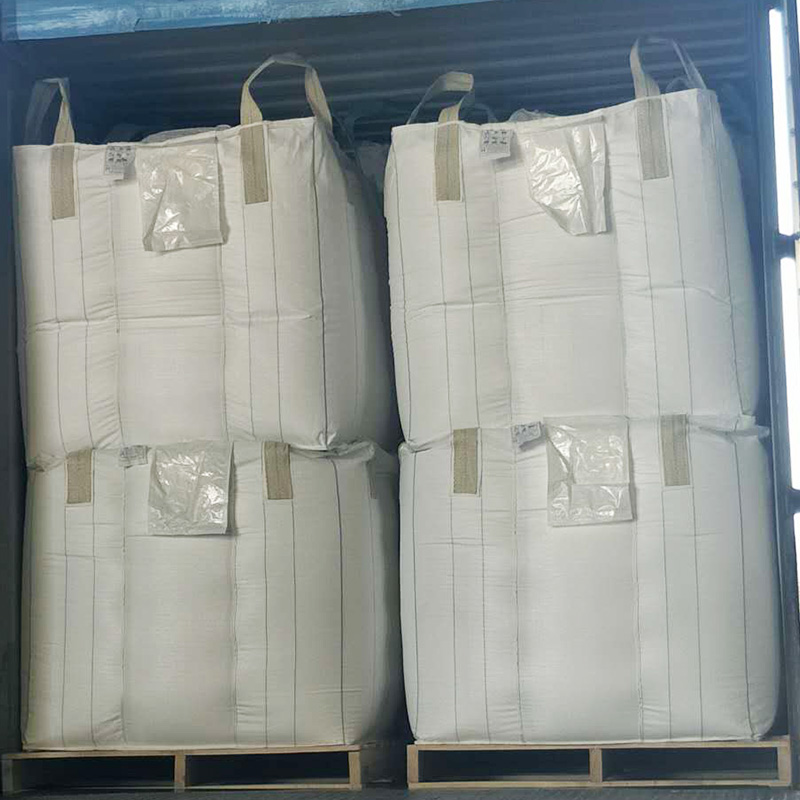
Selecting the right flexible intermediate bulk container safety rating goes far beyond a simple packaging choice. It acts as a critical liability safeguard and a non-negotiable compliance decision. An incorrect assumption here compromises your entire supply chain. Operators often misunderstand the relationship between Safe Working Load and the safety factor. This specific misunderstanding routinely leads to catastrophic structural failures, severe regulatory fines, or completely unnecessary material waste. A safety rating dictates exactly how much dynamic stress your container can safely absorb in transit. Navigating successfully between 5:1, 6:1, and higher safety factors requires carefully aligning your operational workflows. You must evaluate whether operations are single or multi-trip, analyze unique payload characteristics, and strictly enforce testing verification protocols. We will explore how to confidently choose the exact structural tolerance your operation demands.
Key Takeaways
5:1 SF (Single-Trip): Tested to withstand 5x its working load, strictly engineered for one-time use. Reusing these is a major safety violation.
6:1 SF (Multi-Trip): Tested to 6x its working load, designed for multiple uses under closed-loop, inspected conditions.
UN Bags & Specialized SFs: Hazardous materials demand specialized testing parameters (frequently translating to functional safety factors of 6:1 or 8:1) to meet stringent international regulations.
Verification is Mandatory: A claimed safety factor is only as reliable as the independent load testing and ISO 21898 compliance backing it.
Defining the FIBC Bags Safety Factor (SWL vs. SF)
You must establish a clear technical distinction between Safe Working Load (SWL) and Safety Factor (SF) to manage logistics safely. Safe Working Load identifies the absolute maximum physical weight you can safely load into the container for transport. Industrial standards usually cap this figure between 500 kg and 2,000 kg depending on the specific fabric construction. The Safety Factor acts as the multiplier. It defines the ultimate structural breaking point measured under highly controlled laboratory conditions. These two metrics work together to define operational boundaries.
Let us examine the exact mathematics behind these ratings. Suppose you procure a container with a 1,000 kg SWL and a 5:1 SF rating. This unit must successfully survive a massive 5,000 kg test load without tearing or bursting. Laboratory technicians suspend the fabric from an overhead rig and apply steady downward force until the fabric or loops suffer critical failure. The container achieves its certification only if it withstands this five-fold pressure.
Many purchasers fall victim to a dangerous operational fallacy. They mistakenly assume a 5:1 safety factor means the bag can carry up to 5,000 kg of payload in actual daily production. It absolutely cannot. The high mathematical ratio exists solely to absorb unpredictable dynamic stress. Forklifts bouncing across uneven warehouse floors, suddenly shifting bulk loads, and environmental degradation multiply the actual force applied to the lifting loops exponentially. The rating provides a buffer for physics, not an excuse to overload the container. You must never exceed the specified Safe Working Load.
The 5:1 vs. 6:1 Decision Framework: Single-Trip or Multi-Trip?
Choosing between structural ratings directly impacts your supply chain efficiency and environmental footprint. The decision hinges entirely on whether your logistics flow operates as an open or closed loop.
5:1 SF (Single-Trip FIBCS)
We classify these units as single-trip containers. They offer highly optimized resource allocation per unit. Operations heavily favor them for predictable, one-way supply chains. Upon reaching the final destination, workers typically cut the bottom of the container to discharge the bulk materials quickly. They then destroy or recycle the remaining fabric. There is zero operational tolerance for reuse.
You face severe limitations if you attempt to circumvent this rule. The woven polypropylene matrix suffers permanent molecular and structural damage after just one full lifting and transit cycle. Direct sunlight exposure and physical lifting tension actively compromise the thread integrity. FIBCS built to this standard simply lack the engineered durability for a second trip.
6:1 SF (Multi-Trip FIBCS)
Multi-trip bags provide a vastly different operational model. You deploy these exclusively under closed-loop logistics conditions. Facilities must be able to securely recover, inspect, and refill them. While they require more initial material investment, you amortize this footprint over multiple successful transit cycles. The fabric utilizes a heavier weave, and the lifting loops feature reinforced stitching patterns.
The implementation reality requires intense oversight. A multi-trip designation does not guarantee infinite trips. You must establish strict tracking systems to monitor usage cycles. Workers must execute thorough cleaning and inspection protocols between every single use.
Best Practices for Multi-Trip Inspections
Check for surface abrasion or fraying along the lifting loops.
Inspect the body fabric for UV degradation, often indicated by a chalky texture.
Examine all discharge spouts for thread failure or trapped contamination.
Retire any unit showing visible deformation or stretched seams immediately.
Comparison Chart: 5:1 vs 6:1 Operational Framework
Metric | 5:1 Safety Factor | 6:1 Safety Factor |
Intended Use | Strictly Single-Trip | Multi-Trip (Closed Loop) |
Supply Chain Fit | One-way transit, end-user disposal | Returnable logistics, internal transport |
Fabric Construction | Standard woven polypropylene | Heavy-duty weave, reinforced loops |
Inspection Requirement | Visual check before first use | Rigorous logging between every cycle |
Going Beyond: UN Bag Standards and Hazardous Material Compliance
Sometimes a standard 6:1 structural margin fails to offer adequate environmental protection. Payload volatility often dictates significantly higher security measures. You must evaluate the exact chemical nature of your cargo. Transporting highly reactive, toxic, or flammable bulk solids changes the mathematical requirements entirely.
When moving dangerous goods, procuring a specialized UN Bag becomes a mandatory legal requirement. These highly engineered containers undergo brutal testing phases designed by international regulatory bodies. Certifying engineers design tests specifically for Packing Groups II (medium danger) and III (low danger). They subject the fabric to specialized drop tests, where a fully loaded container falls from a specified height onto a rigid surface. They conduct tear tests by slicing the fabric and applying heavy loads to ensure the tear does not propagate. They also execute righting tests, lifting a knocked-over container by a single loop to simulate recovery.
These evaluations far exceed standard load capacity checks. They frequently translate to functional margins of 6:1 or even 8:1 depending on the specific hazardous material class. The structural tolerances must account for the catastrophic consequences of a spill.
Shipping highly reactive bulk materials carries immense regulatory stakes. Using standard-duty packaging for dangerous chemicals invites disaster. You face severe compliance risks and immediate legal action. Liability cascades quickly if an unauthorized unit fails in transit. International maritime laws, governed by the IMDG Code, rigorously penalize improperly packaged hazardous goods. Your operations must align perfectly with these specialized testing protocols to ensure safe transport.
Validating Safety Claims and Evaluating FIBC Quality Service
You must apply a deeply skeptical lens to manufacturer claims. Never blindly accept a "6:1 label" stamped on a specification sheet without comprehensive documentation. A printed tag means nothing if independent testing data does not support it.
True validation requires strict compliance alongside ISO 21898 standards. These independent frameworks define exactly how manufacturers must conduct structural evaluations for non-dangerous goods. A proper top-lift test suspends the loaded unit to measure ultimate tensile strength. Cyclic testing protocols repeatedly apply and release extreme pressure. For example, a cyclic test might apply a force equivalent to twice the SWL for 70 consecutive cycles. Finally, the technicians apply force to destruction to verify the true safety margin.
Decision-makers must define what genuine FIBC quality service actually looks like during the procurement stage. An elite supplier operates with total transparency. They will willingly provide comprehensive documentation proving their structural claims. You must audit your supply chain partners systematically.
Supplier Auditing Checklist
Demand specific batch testing reports for your exact production run.
Verify third-party laboratory certificates from accredited testing houses, such as LABORDATA.
Require transparent manufacturing traceability tracking right down to the resin extrusion date.
Confirm the presence of integrated UV inhibitors through material data sheets.
By enforcing these steps, you protect your workers and your product from unverified structural claims.
Implementation Risks: Avoiding Common Safety Factor Failures
Even perfectly manufactured units fail when applied incorrectly. Misalignment of application ranks among the most frequent operational hazards. Managers sometimes use a 5:1 rated unit for multiple trips simply to stretch short-term resources. This dangerous shortcut routinely results in catastrophic hopper failure. A weakened bottom seam bursts open, spilling thousands of kilograms of product in seconds, potentially injuring workers and halting production.
Fabric ratings do not remain static. Prolonged ultraviolet exposure actively degrades the original performance rating over time. Chemical interactions from the surrounding environment also weaken the woven fibers. A container left outside in direct sunlight for weeks loses its specified strength capacity rapidly. The woven polypropylene turns brittle, and the safety margin plummets well below the stated 5:1 ratio.
Forklift operators heavily influence structural survival. Improper handling instantly invalidates the safety factor mathematics. The ratios rely on perfectly distributed weight loads. You must train operators to avoid critical mistakes.
Common Handling Mistakes to Avoid
Lifting on fewer loops: Using only two loops on a four-loop design concentrates immense stress. The fabric shreds immediately because the weight distribution geometry fails.
Sudden braking: Halting a forklift abruptly while carrying a suspended load creates massive dynamic forces that tear the top seams.
Dragging: Pulling a loaded unit across abrasive concrete destroys the bottom discharge spout and compromises structural integrity.
Conclusion
Choosing the correct flexible intermediate bulk container safety rating remains a delicate balance of supply chain geometry and strict risk management. Whether you operate an open or closed-loop system directly determines your ideal structural margin. Relying on a 5:1 unit for single transit ensures efficiency, while deploying a 6:1 unit secures returnable logistics. You must always respect the physical limitations of the fabric and prioritize verified testing data over assumed strength.
We recommend conducting an immediate packaging audit of your operations. Review your exact Safe Working Load needs against actual daily warehouse usage. Verify your current supplier testing certificates to ensure ISO compliance. Finally, calculate the true operational efficiency and material usage of 5:1 versus 6:1 models for your specific logistics network. Proactive verification prevents catastrophic failures.
FAQ
Q: Can I reuse a 5:1 FIBC bag if it looks undamaged?
A: No. Micro-tears and fabric stretching occur during the first lift and transit phase. These structural compromises are entirely invisible to the naked eye. Reusing a 5:1 bag directly violates established safety standards and risks catastrophic structural failure.
Q: How many times can a 6:1 multi-trip bulk bag be used?
A: There is no fixed number of uses. The lifespan depends entirely on rigorous inspection between uses, specific environmental exposure, and overall handling quality. You must permanently retire the container once it shows any visible sign of wear, UV degradation, or abrasion.
Q: What is the difference between standard FIBCs and a UN Bag?
A: UN Bags are engineered specifically for hazardous goods. They are subjected to rigorous specialized testing like drop, topple, and righting tests. International maritime and transport bodies mandate these evaluations. They often require thicker fabric and distinct structural tolerances compared to standard models.