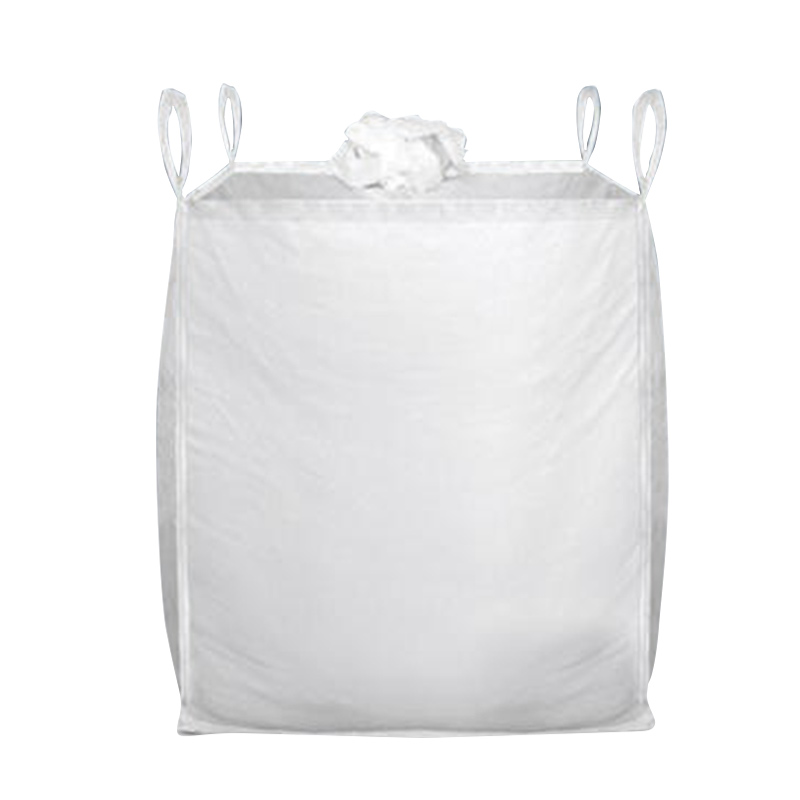
A single product recall caused by packaging-borne contamination inflicts severe financial, regulatory, and reputational damage on a bulk food supply chain. Standard industrial packaging introduces unacceptable risks when handling sensitive consumables. These hazards range from foreign particulate matter and pest ingress to chemical leaching from recycled plastics, allergen cross-contamination, and moisture damage during transit and storage. Mitigating these risks requires a strategic shift to certified food grade bulk bags. This transition involves adhering to specific manufacturing standards, rigorous material choices, and stringent supplier vetting processes. Together, these elements form a non-negotiable defense for food processors and distributors seeking to protect their products, maintain compliance, and ensure consumer safety across global distribution networks.
True food grade packaging requires 100% virgin polypropylene resin complying with strict FDA and EU food-contact regulations to prevent chemical leaching.
The manufacturing environment is critical; food grade FIBC bags must be produced in GFSI-recognized (e.g., BRCGS) cleanrooms with positive air pressure, HEPA filtration, and strict pest/allergen control protocols.
Customized design features—including sift-proof seams, specialized high-barrier liners (EVOH, aluminum), and internal baffles—are essential for addressing specific physical, chemical, and biological contamination risks.
Explosion hazards from combustible food dusts (e.g., flour, sugar, starch) must be managed using electrostatic-safe bulk bags (Type B, C, or D).
Selecting a bulk food packaging supplier requires rigorous auditing of their traceability systems, migration testing compliance, quality control testing, and facility certifications.
The Anatomy of Contamination Risks in Bulk Food Transport
The baseline requirement for bulk food transport is a zero-defect tolerance. Physical and chemical integrity must be maintained from the filling station to the final discharge point. Complete audit readiness is essential to ensure safety and compliance. Facility managers and quality assurance teams cannot rely on visual inspections alone; they must understand the specific vectors through which contamination enters the supply chain.
Physical, Chemical, and Biological Threats
Contamination in bulk packaging falls into three primary categories. Each requires specific preventative measures built directly into the packaging architecture.
Toxicity, off-flavors, failure to meet FDA/EU migration limits, long-term health risks.
Biological
Moisture ingress, mold, yeast, pest infestations, cross-contact with major food allergens (soy, wheat, dairy).
Microbial growth, spoilage, severe allergic reactions in consumers, total product loss.
The Hazard of Combustible Food Dusts and Electrostatic Discharge
Moving fine powders such as starches, sugars, and flours generates static electricity during filling and discharging. The friction of the product moving against the woven polypropylene fabric creates a triboelectric charge. This static accumulation poses a significant risk in food processing environments where fine dust particles are suspended in the air.
The risk of static ignition can lead to devastating dust explosions. If the minimum ignition energy of the food dust is reached, a simple static spark can ignite the cloud. An electrostatic failure constitutes a catastrophic safety and product contamination incident, making specialized packaging a strict safety requirement rather than an optional upgrade.
The Hidden Costs of Non-Compliant Packaging
The cascading costs of contamination extend far beyond the loss of a single shipment. Relying on standard industrial bags for food products triggers a chain reaction of financial and operational penalties.
Rejected Shipments: Receiving facilities will reject entire truckloads if they detect loose fibers, moisture damage, or pest activity on the packaging exterior.
Regulatory Fines: FDA or USDA interventions result in heavy fines, mandatory recalls, and increased scrutiny during future inspections.
Facility Downtime: A contamination event requires shutting down processing lines for deep cleaning, sanitization, and environmental swabbing, halting production for days.
Legal Liabilities: Consumer illness linked to packaging-borne contamination opens the door to massive lawsuits and settlements.
Brand Damage: Loss of consumer trust and severed contracts with major retailers can permanently cripple a food brand's market position.
What Distinguishes True Food Grade Bulk Bags from Standard FIBCs?
Standard industrial bags differ significantly from specialized food grade FIBC bags based on material science, manufacturing environments, and strict adherence to safety standards. You cannot visually distinguish a standard bag from a food-grade bag; the difference lies entirely in the manufacturing pedigree.
100% Virgin Polypropylene Resin
Using 100% virgin resin over recycled materials is a technical necessity to guarantee structural integrity and eliminate the risk of unknown chemical contaminants. Recycled plastics can harbor residues from previous uses, including agricultural chemicals, industrial solvents, or non-food-grade additives that degrade the polymer chain.
Compliance with FDA 21 CFR 177.1520 for olefin polymers and EU Regulation No. 10/2011 on plastic materials intended to come into contact with food is mandatory. Virgin resin ensures that the tensile strength remains consistent and that no unauthorized chemicals migrate into the food product during prolonged storage or temperature fluctuations.
Cleanroom Manufacturing Standards and Allergen Control
Food-grade manufacturing facilities require stringent conditions that mirror the food processing plants they serve. Standard industrial bags are often sewn in open-air facilities, exposing them to dust, insects, and human contamination.
Air Quality: Facilities must maintain positive air pressure and utilize HEPA filtration to prevent external dust and airborne contaminants from entering the production floor.
Employee Hygiene: Workers must wear specialized apparel, including hairnets, gloves, beard covers, and cleanroom suits. No jewelry or loose items are permitted.
Cutting Technology: Ultrasonic or laser cutting tools are used instead of cold cutting to melt the edges of the polypropylene fabric, preventing loose threads from fraying into the bag.
Inspection Protocols: Cleanroom quality control involves passing every bag through metal detection, vacuuming the interiors to remove stray fibers, and conducting light table inspections to check for pinholes or defects.
Traceability and Lot Tracking Capabilities
End-to-end traceability is required to ensure every single bag can be traced back to the specific batch of resin, the extruder line, and the exact production shift. This capability is vital in case of an audit or recall. A unique lot code printed on the bag's label allows quality assurance teams to isolate specific batches immediately if a defect is identified, preventing a localized issue from becoming a full-scale recall.
Key Design Features That Prevent Contamination
Specific bag construction features directly map to the contamination and safety risks they mitigate. Engineering the right bag requires matching these features to the physical characteristics of the food product being transported.
Sift-Proof Seams and Dust Control
Standard sewing leaves needle holes in the fabric, which act as escape routes for fine powders and entry points for pests. Filler cords, felt splines, and specialized stitching techniques prevent fine powders like flour, sugar, and spices from leaking out. A double filler cord creates a tight gasket seal along the seams, ensuring that the product remains fully contained even under the pressure of stacking and transport.
Polyethylene and High-Barrier Liners for Moisture, Oxygen, and Aroma Control
Woven polypropylene is breathable, which is detrimental to moisture-sensitive or oxygen-sensitive foods. The use of form-fit, tube, or baffled liners creates a hermetic seal inside the bag.
Liner Material
Primary Function
Best Used For
Standard Polyethylene (PE)
Basic moisture barrier, prevents sifting.
Grains, beans, standard flours, sugar.
EVOH (Ethylene Vinyl Alcohol)
Superior oxygen and gas barrier, extends shelf life.
Electrostatic Classifications (Type B, Type C, and Type D FIBCs)
Managing static electricity is a core component of food safety and facility protection. Standard Type A bags offer no static protection and should never be used for combustible food dusts.
Type B Bags: These bags have a breakdown voltage under 6kV to prevent brush discharges in low-energy ignition dust environments. They do not dissipate static but prevent the most dangerous types of sparks.
Type C Bags: These are groundable bags designed to safely dissipate static charge. They contain conductive threads woven through the fabric and require continuous, verified grounding during filling and discharging operations.
Type D Bags: These are static-dissipative bags that safely disperse static into the atmosphere without requiring grounding. They offer high protection in combustible environments and eliminate the human error associated with forgetting to attach a ground wire.
The Role of the Baffle Bag for Food Transport
Internal baffles are fabric panels sewn across the corners of the bag. They maintain the bag's square shape during filling, transport, and storage, optimizing pallet utilization and warehouse space. A Baffle bag for food transport provides essential structural integrity, allowing bags to be stacked safely without bulging over the edges of the pallet.
The secondary food-safety benefit is increased stability. A stable, square bag prevents tipping, tearing, and subsequent spillage or contamination during forklift handling and transit. When bags bulge and overhang the pallet, they are highly susceptible to being punctured by adjacent pallets or warehouse racking.
Navigating Certifications for Food Safe Bulk Bags
Understanding the regulatory frameworks governing bulk food packaging provides an authoritative lens on evaluating safety and compliance. Relying on a supplier's verbal assurance is insufficient; documented certification is the only acceptable proof of compliance.
FDA and EU Food Contact Regulations
Baseline legal requirements for materials intended for direct food contact focus on Migration Testing. This includes Overall Migration Limits (OML) and Specific Migration Limits (SML) to ensure no heavy metals, phthalates, or unreacted monomers transfer to the food. Suppliers must provide a Declaration of Compliance (DoC) stating that the specific resin formulation has passed these rigorous laboratory tests under various temperature and time conditions.
A Global Food Safety Initiative (GFSI) recognized certification is the gold standard for evaluating a manufacturing facility's hygiene and safety protocols. BRCGS (British Retail Consortium Global Standards) for Packaging Materials is the most widely recognized standard in the FIBC industry. A BRCGS audit evaluates senior management commitment, hazard and risk management, product safety, site standards, and personnel hygiene. Achieving an AA or A grade indicates a world-class manufacturing environment.
ISO 22002-4 Compliance and HACCP Integration
ISO 22002-4 standards are specifically developed for food packaging manufacturing. Food safe bulk bags must be manufactured under a Hazard Analysis and Critical Control Point (HACCP) plan. This plan proactively identifies and mitigates contamination risks during production. For example, a HACCP plan will identify the sewing needles as a physical hazard and implement a strict needle control policy, ensuring that if a needle breaks, all pieces are found and accounted for before production resumes.
How to Evaluate a Bulk Food Packaging Supplier
Addressing the conceptual trade-offs between unit cost and risk mitigation provides a solid framework for vetting potential packaging partners. The cheapest bag often carries the highest hidden risks.
Auditing Supplier Cleanroom Facilities and Quality Documentation
You must request critical documentation before placing an order. This includes current BRCGS/GFSI certificates with grade ratings, third-party audit scores, material declaration of compliance (DoC), and internal HACCP plans. A reputable bulk food packaging supplier will provide these documents immediately and welcome third-party audits of their facilities.
Assessing Testing and Quality Assurance Protocols
A supplier must perform necessary physical and chemical tests on every production run. This includes tear and tensile testing to ensure fabric strength, top-lift testing to verify the 5:1 or 6:1 Safety Factor, and UV degradation testing. They must also maintain rigorous metal detection logs, proving that the metal detector is calibrated multiple times per shift using certified test pieces.
Transport Protection and Pallet Management Vetting
Analyze how the supplier packages and ships the empty bags to your facility. The use of heat-treated ISPM 15 wooden pallets or heavy-duty plastic pallets is required to prevent wood-boring insects. Slip sheets should be used to protect the bottom bags from splinters. Finally, the entire pallet of empty bags must be wrapped in protective outer shrouding to prevent pest or moisture contamination during transit.
Supply Chain Reliability and Contingency Planning
Evaluate suppliers based on their inventory management, domestic warehousing capabilities, and dual-sourcing strategies. A supplier with multiple certified manufacturing sites can pivot production if one region experiences disruptions, preventing operational downtime and mitigating the implementation risk of stockouts at your processing plant.
Conclusion
Investing in certified food grade bulk bags is a critical component of a company's overall food safety, compliance, and risk management strategy. Procurement and safety teams should prioritize suppliers with transparent GFSI certifications, robust traceability, and electrostatic safety compliance before evaluating unit price.
Request a supplier's current BRCGS audit report and verify their grade rating.
Obtain a sample bag and conduct compatibility testing with your existing filling and discharge equipment.
Review the supplier's HACCP plan and needle control policy.
Schedule a specialized packaging consultation to map out your specific electrostatic and moisture barrier requirements.
FAQ
Q: What makes an FIBC food grade?
A: An FIBC is considered food grade when it is made from 100% virgin resin, complies with FDA and EU migration limits, and is manufactured in a cleanroom under GFSI/BRCGS standards with strict hazard and allergen control protocols.
Q: Can food grade bulk bags be reused?
A: Single-trip bags (SF 5:1) cannot be reused. Multi-trip bags (SF 6:1) exist, but food safety regulations and allergen contamination risks generally prohibit reusing bags for direct food contact without specialized, certified reconditioning.
Q: What is a BRCGS certified bulk bag?
A: BRCGS is a leading global standard recognized by GFSI. A BRCGS certified bulk bag ensures the bag was manufactured in a facility with strict hygiene, pest control, physical contaminant exclusion, and quality management systems.
Q: Do I need a liner for my food grade FIBC bags?
A: Liners are necessary for fine powders to prevent sifting and leaking. They are also required when a moisture, oxygen, or aroma barrier is needed to protect the product and prevent microbial growth.
Q: What electrostatic bag type do I need for combustible food powders?
A: Type B, C, or D bags are required when handling combustible food dusts like sugar, flour, or starch to prevent static-induced dust explosions. Type D offers high protection without requiring continuous grounding.
Q: How do you store empty food safe bulk bags?
A: Keep empty bags in their original protective outer wrapping. Store them indoors, off the ground, in a clean, dry, pest-free environment, away from direct UV light and temperature extremes.