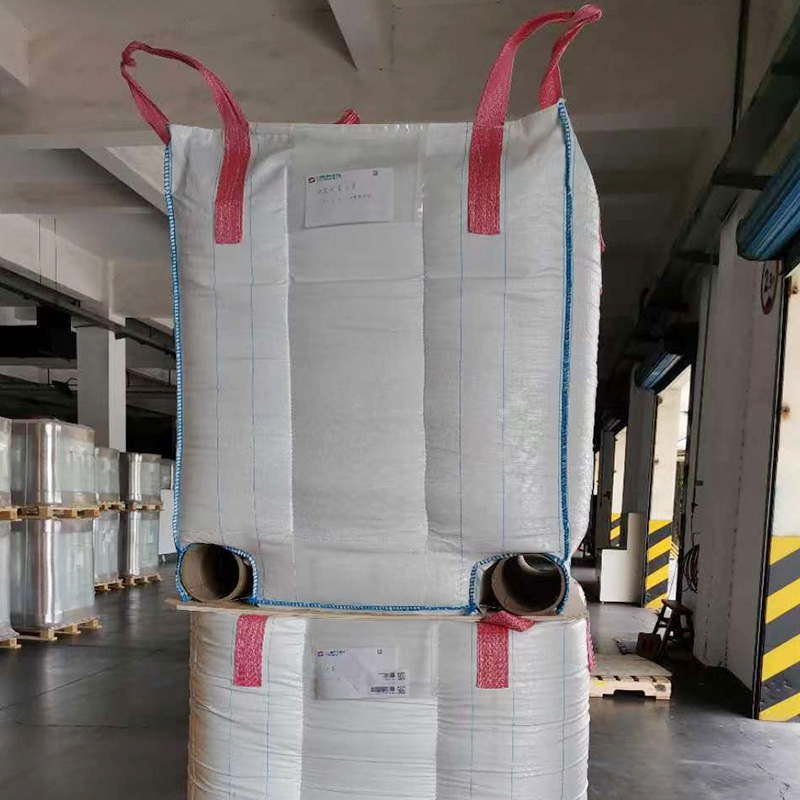
Logistics and freight operations represent a massive percentage of supply chain operating expenses. Inefficiencies in industrial packaging are frequently accepted as fixed, unavoidable costs. Industry data indicates that common FIBC miscalculations artificially inflate overall logistics and shipping costs by 10% to 30%. Minor miscalculations in Flexible Intermediate Bulk Container (FIBC) selection compound rapidly. Ignoring material density wastes valuable space. Overfilling beyond weight limits creates severe hazards. Relying on legacy handling methods causes unnecessary delays. These errors lead to significant container space waste, handling bottlenecks, and product damage.
Evaluating and correcting these common structural and operational packaging mistakes provides a direct, verifiable roadmap to recovering margins. You can maximize container payloads, protect your products, and optimize supply chain throughput. We will explore seven errors that drive up bulk packaging freight costs and provide actionable steps to fix them.
Key Takeaways
Standardizing bag sizes without accounting for specific material bulk density leads to "dead space" in shipping containers, underutilized freight capacity, and dangerous overfilling scenarios.
Transitioning to engineered structural designs, such as a baffle bulk bag, can increase container payload utilization by up to 30% by maintaining a rigid, square footprint.
Procurement decisions must shift from evaluating per-bag unit costs to calculating comprehensive operational expenses, factoring in bulk bag handling efficiency, freight utilization, product return rates, and failure risks.
Mistake 1: Using Standard Circular or U-Panel Bags for High-Volume Container Shipping
The Problem with "Belly Bulge"
Standard, unreinforced bags lose their cubic shape when filled. Flowable materials push outward against the flexible polypropylene fabric. This causes significant lateral expansion. Warehouse professionals often call this "belly bulge." A bag designed to be 35 inches wide can easily expand to 42 inches or more once suspended and filled with heavy granular material. This expansion creates a major logistics problem on the loading dock. Standard ISO shipping containers have strict internal dimensions. A 20-foot container is roughly 92 inches wide inside. You cannot fit two 42-inch bulging bags side-by-side without risking severe damage to the fabric against the container walls. This forces forklift operators to pinwheel the bags or load them single-file down the center line. The result is massive void space between bags. You end up shipping empty air instead of actual product.
The Solution - Upgrading to a Baffle Bulk Bag
You can solve this spatial inefficiency by upgrading your packaging design. Internal baffles are fabric panels sewn across the interior corners of the bag. These panels maintain a rigid, square profile under immense outward pressure. The material flows through pre-cut holes in the baffles to fill the corners evenly during the loading process. This structural reinforcement prevents lateral expansion entirely. Square profiles maximize standard 20-foot and 40-foot shipping container dimensions. They allow for tight, two-wide loading configurations. They also prevent dangerous load shifting during ocean swells or rail transit. Utilizing a well-engineered baffle bulk bag is one of the fastest ways to improve freight utilization and pack more payload into every shipment.
Evaluation & Trade-Offs
Baffle bags carry a higher initial unit cost. The complex sewing and extra fabric increase manufacturing expenses at the factory level. However, they yield significantly lower per-unit shipping costs. Fitting 20% to 30% more product into a single sea container easily offsets the higher bag price. You must also assess material flow considerations before making a switch. Baffles work exceptionally well for free-flowing grains, plastic pellets, and granular minerals. They can sometimes impede the discharge of highly cohesive or sticky powders. Damp materials might bridge across the internal baffle holes, requiring operators to manually agitate the bag during discharge. You should run a pilot test with your specific material flow before committing to a massive inventory overhaul.
Table 1: Standard Circular Bag vs. Baffle Bag in a 20ft ISO Container
Bag Type
Filled Width (Approx.)
Loading Configuration
Container Void Space
Payload Efficiency
Standard Circular
40 - 44 inches
Pinwheeled / Single-file
High (Wasted side gaps)
Poor
Baffle Bag
35 - 37 inches
Two-wide side-by-side
Low (Tight fit)
Excellent
Mistake 2: Over-Reliance on Traditional Wooden Pallets
The Hidden Costs of Palletized Freight
Wooden pallets are a staple in global warehousing. They also introduce massive hidden costs to bulk shipping. A standard GMA wooden pallet adds roughly 40 to 50 pounds of tare weight. Shipping 20 pallets in a container means you are paying freight rates to move 1,000 pounds of dead wood. Pallets also consume valuable vertical space. A typical pallet is five to six inches tall. Across an entire shipping container, this lost vertical height equals lost payload capacity. Export shipments face additional hurdles. Wooden pallets require strict ISPM-15 compliance. They must be heat-treated and stamped to prevent pest migration across international borders. Missing stamps, faded markings, or improper documentation leads to severe customs delays, rejected shipments, and quarantine fees at the destination port.
Transitioning to a Pallet-Free FIBC
Eliminating wooden pallets directly reduces your shipping expenses. You can achieve this by transitioning to specialized bag designs engineered for direct handling. Integrated stevedore straps are heavy-duty lifting loops that extend down the sides of the bag. They allow forklifts to lift the bag from the top without needing a base platform. Another excellent option is a pallet-free FIBC designed with built-in lifting tunnels at the base. You can also utilize heavy-duty slip sheets made of solid fiber or corrugated plastic. These alternatives maximize actual payload weight over packaging tare weight. Removing the pallet allows you to stack bags higher, pack them tighter, and eliminate the headache of managing broken wood in your facility.
Implementation Risks and Equipment Needs
Transitioning away from pallets requires careful planning on the warehouse floor. You cannot simply remove the pallets and expect standard forklifts to handle the load efficiently. Your facility will require specialized forklift attachments. Attempting to move pallet-free bags with standard forks often leads to fabric tears and dropped loads.
Push-Pull Attachments: Necessary for handling slip sheets. The attachment grips the lip of the slip sheet and pulls the entire load onto wide platens.
Multi-Tine Forks: Used to safely engage the built-in lifting tunnels at the base of specialized bags without puncturing the main body fabric.
Overhead Lifting Frames: Ensure safe handling from the top loops, keeping the straps perfectly vertical to prevent lateral stress on the seams.
Operator Training: Warehouse personnel must learn new approach angles and lifting speeds to handle suspended loads safely.
Mistake 3: Mismatching Bag Specifications to Material Bulk Density
The "One Size Fits All" Procurement Trap
Many procurement departments purchase generic bags to simplify inventory management. This "one size fits all" approach is a costly trap. Using a generic bag for materials with varying bulk densities leads to immediate failure on the loading dock. Bulk density measures how much weight a material occupies in a specific volume. Dense minerals like barite or frac sand behave very differently than light agricultural products like oats or fumed silica. If you put a dense powder into a large generic bag, it will reach its maximum weight limit while remaining half empty. This wastes massive amounts of vertical space in the shipping container. Conversely, putting light materials into a small bag means you max out the volume long before hitting the payload weight limit. Both scenarios result in paying for unused freight capacity.
Engineering a High-Capacity FIBC Bag
You must calculate exact bulk density to determine optimal bag dimensions. Measure your product in pounds per cubic foot (lbs/ft³) or kilograms per cubic meter (kg/m³). Divide your target payload weight by the bulk density to find the exact cubic volume required. Investing in custom FIBC bags tailored to your specific material flow yields a massive return on investment. A properly sized bag fills completely while perfectly matching the Safe Working Load (SWL). A well-designed high-capacity FIBC bag prevents wasted space, maximizes every inch of the shipping container, and ensures the load remains stable during transit.
Safety and Compliance Risks
Mismatching bag specifications creates severe safety hazards. Overfilling a bag beyond its specific Safe Working Load (SWL) compromises the woven polypropylene fabric. This creates extreme injury risks to warehouse personnel. Bags can burst unexpectedly during lifting, dropping thousands of pounds of material instantly. You must also respect established safety factors. A 5:1 safety factor means the bag is rated for a single trip. A 6:1 safety factor means the bag is rated for multiple trips. Using a single-trip bag for a multi-trip application violates compliance standards. The fabric degrades after the first use, and the lifting loops lose their tensile strength. This leads to massive liability issues and immediate freight rejection at ports.
Mistake 4: Inefficient Filling and Discharge Protocols
Bottlenecks in the Packaging Line
Improper bag features slow down operational throughput drastically. Spout sizing is a common failure point on the packaging line. A top fill spout that is too narrow restricts material flow from the hopper. This forces the filling machine to run at lower speeds, backing up the entire production schedule. A bottom discharge spout that is too small causes bridging and ratholing. The material gets stuck above the spout, requiring operators to manually agitate the bag or hit it with rubber mallets. Lack of proper venting causes severe aeration. Fine powders trap air during the filling process. Without air-permeable fabric or sift-proof venting seams, the bag inflates like a balloon. This results in longer fill times and highly unstable, rounded loads that cannot be stacked safely.
Improving Bulk Bag Handling Efficiency
You must match the bag's structural features to your filling equipment and material characteristics. Conical bottoms are mandatory for poor-flowing materials. The cone shape forces sticky powders toward the discharge spout using gravity, eliminating the need for manual agitation. Full open bottoms allow for rapid, instantaneous discharge of bulky materials like rocks, scrap plastic, or wood pellets. Proper spout closures, like the swan neck tie or B-lock closures, prevent leaks while allowing quick release by the operator. Faster, cleaner handling operations reduce labor costs significantly. Improving bulk bag handling efficiency increases your overall facility throughput, reduces costly downtime, and keeps your dock doors moving.
Mistake 5: Ignoring Load Stability and Securement
Freight Damage and High Return Rates
Unstable loads cause catastrophic financial consequences during transit. Poor palletization practices leave bags hanging over the edges of the pallet. This overhang causes the bottom fabric to tear against adjacent pallets or the container walls. Missing slip sheets allow nails and splinters from rough wooden pallets to puncture the bags from below. Inadequate load securement inside the container allows bags to shift during ocean swells, hard braking, or rail yard shunting. This shifting leads to crushed products, torn fabric, and massive spills inside the container. The result is a higher rate of product returns, expensive replacements, and angry receivers. Unstable loads also create severe safety hazards for personnel opening the container doors at the destination, as shifted bags can fall outward immediately.
Evaluation Dimensions for Load Stability
Fabric weight plays a direct role in load stability. Fabric weight is measured in Grams per Square Meter (GSM). Low GSM fabric stretches and distorts under pressure. This distortion ruins the stackability of the bag, causing towers to lean dangerously. Higher GSM fabric maintains its shape and provides superior puncture resistance against forklift tines and rough handling. Outdoor storage requires specialized UV stabilization. Ultraviolet rays break down polypropylene chains rapidly. Without UV inhibitors, bags become brittle and shatter under load after just a few weeks in the sun. Proper tensioning during the filling process is also vital. Utilizing vibration tables settles the product and removes trapped air before tying off the spout. This densification creates a rock-solid, stable block that stacks perfectly.
Mistake 6: Sourcing Based Solely on Unit Price
The Overall Value Equation
Purchasing managers often chase the lowest possible unit price to meet quarterly budget goals. This strategy usually backfires. The upfront savings of a low-cost, commoditized bag vanish quickly on the warehouse floor. Cheap bags utilize thin fabric, recycled resins, and poor stitching. These compromises lead to hidden, compounding costs. Structural failures cause massive product loss. Poorly constructed seams allow fine powders to leak, causing contamination across the entire warehouse. Cleanup labor and facility downtime erase any initial savings. Furthermore, cheap bags bulge excessively, inflating freight expenses due to poor space utilization. Investing in high-quality bulk packaging actively reduces risk. It protects your product, ensures smooth logistics operations, and keeps your personnel safe.
Vetting a Reliable Manufacturer
Evaluating overseas suppliers requires a strict framework. You must balance upfront cost with verifiable quality and consistency. Partnering with a reputable FIBC manufacturer China requires thorough due diligence. Look for specific certifications that match your industry requirements. BRCGS certification is non-negotiable for food-grade applications. ISO 9001 certification ensures consistent quality management and defect tracking. Inspect their cleanroom facilities if you are shipping pharmaceuticals or sensitive food ingredients. Demand verifiable third-party batch testing for tensile strength, loop attachment strength, and UV resistance. Importing custom packaging requires supply chain resilience. Discuss lead-time mitigation strategies and buffer stock agreements to prevent stockouts during peak shipping seasons.
Mistake 7: Improper Lifting and Handling Execution
Operational Mishaps
Even the highest-quality FIBCs will fail if handled improperly. Warehouse personnel often take shortcuts that compromise structural integrity. Gathering all four lift loops onto a single forklift tine is a frequent error. This puts four times the intended stress on a single point and alters the lifting geometry. It tears the lifting loops right off the bag body. Dragging bags across the warehouse floor is another common mistake. The abrasive concrete shreds the bottom fabric instantly, leading to slow leaks or sudden blowouts. Rapid, jerky lifting creates massive dynamic loads. A 2,000-pound bag can exert 4,000 pounds of force if jerked upward suddenly by an aggressive forklift operator. This exceeds the Safe Working Load and causes catastrophic failure.
The Cost of Unforeseen Circumstances
These handling mistakes lead to sudden, dangerous bag failures. Spilled product creates massive slip hazards and requires expensive cleanup crews. Severe injury to warehouse personnel is a very real threat when a suspended bag bursts. A falling bag can easily crush an operator or a bystander. Ultimately, these operational errors increase handling and replacement costs. You lose the packaging, you lose the product, and you lose valuable time on the dock. Strict adherence to proper forklift protocols is mandatory. Operators must use both tines, keep the mast tilted back, ensure the loops are vertical, and lift smoothly without sudden acceleration.
Framework: How to Audit Your Current FIBC Packaging Strategy
Step 1: Analyze Container Utilization Rates
You cannot fix what you do not measure. Start by analyzing your current container utilization rates on the loading dock. Track the Payload versus Container Capacity ratio. Are you hitting the maximum weight limit of the container before running out of cubic space? Or are you filling the container to the roof but falling short of the weight limit? Calculate your Tare Weight Ratios. Determine exactly how much weight is dedicated to wooden pallets and packaging versus actual sellable product. Identify areas where cubic volume is lost due to bag bulging, poor stacking, or inefficient pallet placement.
Step 2: Conduct a Time-Motion Study on Handling
Evaluate your operational efficiency on the floor. Measure loading and unloading times at the docks. Track forklift utilization rates to see if drivers are waiting on packaging bottlenecks. Identify specific bottleneck locations at the fill and discharge stations. Are operators spending five minutes manually shaking a bag to get it to empty? Are filling lines backing up because spouts are too narrow for the hopper output? Document these inefficiencies to justify structural upgrades to your bags.
Table 2: FIBC Audit Metrics and Benchmarks
Metric Category
Key Indicator
Target Benchmark
Impact on Freight
Space Utilization
Container Cubic Fill Rate
> 90% of available volume
Reduces cost per pound shipped
Weight Efficiency
Packaging Tare Weight Ratio
< 3% of total gross weight
Maximizes sellable payload
Handling Speed
Fill/Discharge Cycle Time
Under 3 minutes per unit
Lowers labor and dock costs
Failure Rate
Bag Damage / Leakage Rate
< 0.5% per shipment
Prevents product loss and cleanup
Conclusion
Audit your current bag dimensions against your actual material bulk density to eliminate wasted vertical space.
Run a pilot test with engineered baffle designs to maximize your container payload utilization and prevent lateral bulging.
Calculate the tare weight of your current pallets and evaluate specialized forklift attachments to safely transition to pallet-free operations.
Implement a mandatory training program for forklift operators focusing on safe lifting geometry and load securement protocols.
FAQ
Q: How much freight space can baffle bags save?
A: Baffle bags can increase container payload utilization by up to 30%. They maintain a rigid, square shape that prevents lateral bulging. This allows you to load bags tightly side-by-side, eliminating wasted void space inside the shipping container.
Q: Are pallet-free bags safe for export shipping?
A: Yes, pallet-free bags are highly safe and efficient for export. They eliminate the need for ISPM-15 compliant wooden pallets. You must ensure your destination facility has the proper forklift attachments, like multi-tine forks or push-pull devices, to unload them safely.
Q: What happens if operators ignore the Safe Working Load (SWL)?
A: Ignoring the SWL compromises the structural integrity of the fabric and lifting loops. This creates a severe risk of sudden bag failure. Bursting bags cause product loss, expensive cleanup, and extreme injury hazards for warehouse personnel.
Q: How do warehouse managers choose the right fabric weight (GSM)?
A: Fabric weight depends on your product density and handling requirements. Heavy, sharp, or dense materials require a higher GSM for puncture resistance and stability. Lower GSM fabric is suitable for lightweight, non-abrasive agricultural products.
Q: Can facilities reuse a standard 5:1 FIBC bag?
A: No. A 5:1 safety factor indicates the bag is designed for a single trip only. Reusing it violates safety standards and risks catastrophic failure. For multiple trips, you must purchase bags rated with a 6:1 safety factor.
Q: What causes a bulk bag to bulge during transit?
A: Bulging occurs when flowable materials push outward against unreinforced circular or U-panel fabric. Aeration during filling also traps air, causing expansion. Using internal baffles and vibration tables during filling prevents this issue.